
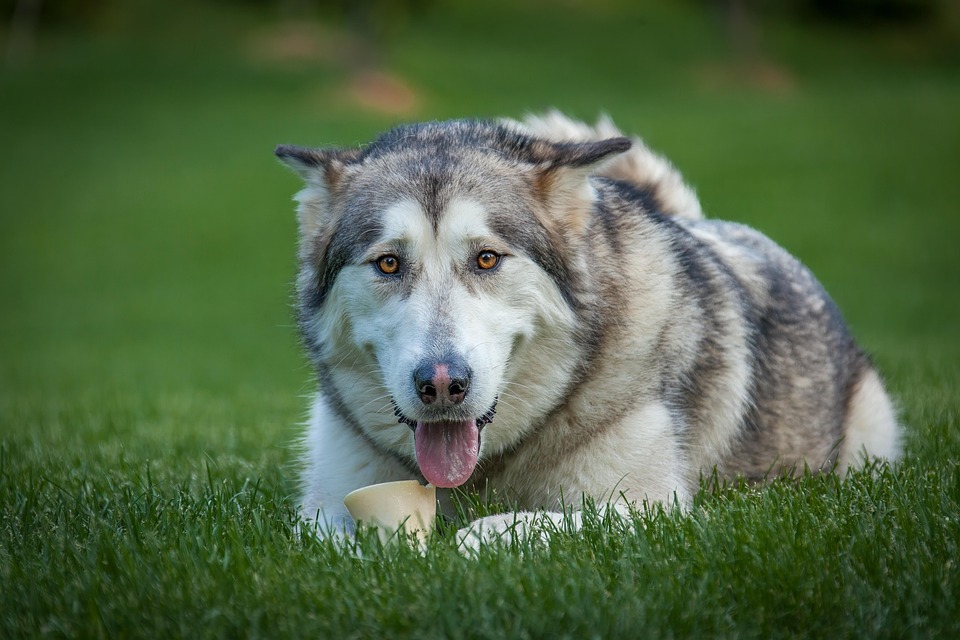
Unleashing Joy: The Playful Spirit of Alaskan Huskies
Alaskan Huskies are a striking and spirited dog breed that captivates the hearts of pet owners and animal lovers alike. Known for their energetic personalities, strong work ethic, and striking appearance, these dogs have a fascinating history and a playful spirit that many families cherish. This article will explore the essence of Alaskan Huskies, their unique traits, grooming needs, health considerations, and how they can serve as wonderful emotional support animals (ESAs).
Breed Overview: Alaskan Huskies
History
Originating from the Arctic regions, Alaskan Huskies were initially bred by the native Siberian Chukchi people for sledding, hunting, and companionship. Unlike purebred breeds recognized by major kennel clubs, Alaskan Huskies come from a mixed lineage of several dog breeds, including the Siberian Husky, Alaskan Malamute, and various hounds and terriers. Their diverse genetic background allows them to be versatile working dogs, excelling in activities like dog sledding and racing.
Temperament & Personality Traits
Alaskan Huskies are known for their friendly and sociable demeanor. They are intelligent and energetic dogs that thrive on physical and mental stimulation. Here are some key personality traits:
- Playful: Huskies have a natural playfulness that can bring joy to any household. They love games like fetch and enjoy the company of children.
- Loyal: They form strong bonds with their human families, often seeking affection and companionship.
- Independent: While they’re loyal, Huskies can exhibit an independent streak. They may show a stubbornness that requires patience during training.
- Curious: Their inquisitive nature means they enjoy exploring their environment, sometimes leading them into mischief!
Grooming Needs
Alaskan Huskies have a thick double coat that requires regular grooming. Here’s what you should consider for their grooming routine:
- Brushing: Use a slicker brush at least once a week, and more frequently during shedding seasons (spring and fall).
- Bathing: A bath every few months is usually sufficient, as Huskies are known for self-cleaning.
- Nail Trimming: Regular nail trims are essential to prevent discomfort and ensure easy movement.
Health Considerations
While generally healthy, Alaskan Huskies can be prone to specific health issues, including hip dysplasia and eye problems like cataracts. Regular veterinary check-ups are essential to maintain their health. Thankfully, many of these conditions can be managed or mitigated through early detection and proper care.
Suitability for Different Households
Alaskan Huskies do best in active households. They are ideal for people who enjoy outdoor activities such as hiking or running. Families with children can benefit from their playful nature, while individuals living in apartments may find their energetic demeanor challenging. Without enough exercise, Huskies can become bored and engage in destructive behavior.
Training, Socializing, and Caring for Alaskan Huskies
Training Tips
- Start Early: Begin training your Husky as a puppy to instill good habits.
- Positive Reinforcement: Use treats and praise to encourage desired behaviors.
- Consistency is Key: Be firm but fair; consistency will help them learn quickly.
Socializing
Introduce your Husky to various people, pets, and environments to create a well-rounded adult dog. Socialization helps reduce anxiety and makes them more adaptable to new situations.
Care Requirements
In addition to grooming and training, ensure that your Husky gets ample exercise. Daily walks, playtime, and mental stimulation activities are essential to keep them happy and healthy.
Emotional Support Animals (ESA)
An emotional support animal (ESA) is a pet that provides comfort and support to individuals struggling with mental health issues such as anxiety, depression, or PTSD. Unlike service dogs, which perform specific tasks, ESAs offer companionship.
Benefits of Designating Your Pet as an ESA
Having a pet recognized as an ESA can provide numerous mental and emotional health benefits:
- Reduce Feelings of Isolation: Pets offer unconditional love and companionship, helping to combat loneliness.
- Stress Reduction: Studies show that spending time with pets lowers cortisol levels, reducing stress and anxiety.
- Increase in Physical Activity: Walking or playing with pets promotes physical activity, which is beneficial for mental health.
- Emotional Stability: The presence of an ESA can improve emotional security, making it easier to cope with daily challenges.
Key Information
- Breed Origins: Alaskan Huskies stem from Arctic working dogs bred for sledding and companionship.
- Temperament: They are friendly, playful, loyal, and independent.
- Grooming: Regular brushing, occasional baths, and nail trimming are necessary.
- Health: Be aware of potential genetic issues like hip dysplasia and eye problems.
- Training & Socialization: Use positive reinforcement and encourage social interactions.
- Emotional Support Roles: ESAs help alleviate mental health issues, providing companionship and comfort.
How Dogs and Cats Provide Emotional Support
The Science and Psychology Behind Emotional Support
Pets can improve emotional health through a combination of psychological mechanisms:
- Oxytocin Release: Interacting with pets boosts oxytocin levels, the “feel-good” hormone that promotes feelings of love and bonding.
- Routine and Structure: Caring for a pet creates a daily routine, providing structure and purpose, which can combat feelings of anxiety or depression.
- Social Interaction: Walking a dog or chatting at the dog park encourages social interaction, reducing feelings of isolation.
Real-Life Examples
- Case Study: Many veterans suffering from PTSD find solace and comfort in their dogs, which can help manage flashbacks and anxiety attacks.
- Everyday Moments: A simple cuddle with a cat after a long day can instantly lift one’s spirits, showcasing the immediate emotional benefits of pet companionship.
Frequently Asked Questions (FAQs)
-
What qualifies as an Emotional Support Animal?
- Any pet that provides comfort and support can qualify as an ESA, but you generally need documentation from a mental health professional.
-
Do ESAs have the same rights as service animals?
- No, their rights vary by location. It’s essential to check local laws regarding ESA access.
-
Can my cat be an ESA?
- Yes! Cats can also be designated as ESAs if they provide the necessary emotional support.
-
How do I get my pet certified as an ESA?
- Contact a licensed mental health professional who can evaluate your needs and provide documentation.
-
What if my pet is not trained?
- Unlike service animals, ESAs do not need special training but should be well-behaved.
Conclusion
Alaskan Huskies are not just remarkable dogs; they embody a spirit of playfulness that resonates with families and individuals alike. Whether as a loyal companion or an emotional support animal, they offer joy, laughter, and comfort in ways that profoundly impact our mental and emotional well-being.
If you’re considering designating your pet as an ESA, look no further than Veripaw.org. Since 2012, Veripaw has been dedicated to helping pet owners connect with licensed mental health professionals to obtain ESA documentation, along with offering high-quality pet accessories. Don’t miss the opportunity to enrich your life with an emotional support animal and unleash the joy a pet can bring into your home!


