
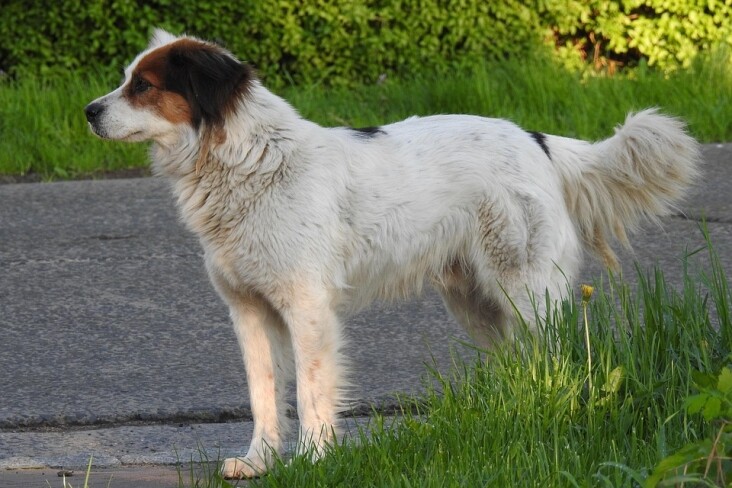
Unleash the Love: Why Tornjaks Make the Perfect Family Dog
Overview of the Tornjak Breed
The Tornjak is a remarkable breed of dog that originally hails from the mountainous regions of Bosnia and Herzegovina. Known for their loyalty and protective instincts, these dogs were bred as both herders and guardians of livestock. The breed is medium to large in size, featuring a strong, well-muscled body, a thick double coat that can vary from black to brown, and a feathery tail that curls over their back. Given their rich heritage, Tornjaks have been officially recognized by various kennel clubs and are gaining popularity worldwide.
History
The Tornjak dates back centuries, emerging from the rugged terrain of the Balkans. These dogs were indispensable to farmers and shepherds for guarding their flocks against predators. Despite facing near extinction in the 20th century due to modernization and changing agricultural practices, dedicated breed enthusiasts helped to revitalize the Tornjak in the 1980s.
Temperament and Personality Traits
Tornjaks are known for their gentle demeanor and nurturing instincts. They are incredibly affectionate with their families, forming strong bonds that can last a lifetime. These dogs are intelligent, making them easily trainable, but their independent nature may require a firm yet patient owner. Tornjaks are also protective, which can make them excellent watchdogs.
Grooming Needs
Caring for a Tornjak requires regular grooming, especially due to their thick double coat. They undergo seasonal shedding, necessitating more frequent brushing during spring and fall. A good brushing routine helps prevent matting and minimizes shedding around the house. A bath is recommended every couple of months or as needed, depending on their outdoor activities.
Health Considerations
Tornjaks are generally considered healthy dogs, but like all breeds, they can be prone to certain health issues. Hip dysplasia, progressive retinal atrophy, and various skin conditions may affect them. Regular vet check-ups, a balanced diet, and appropriate exercise can help maintain their health and well-being.
Suitability for Different Types of Households
Tornjaks thrive in active households where they receive ample exercise and mental stimulation. They are well-suited for families with children and can adapt to both rural and suburban settings. However, potential owners should be prepared to invest time in training and socialization, especially when introducing them to new experiences or environments.
Training, Socialization, and Care Tips
-
Training: Start training your Tornjak early, using positive reinforcement techniques like treats, praise, or play. Consistency is key; regular sessions that keep your dog engaged are essential.
-
Socialization: Expose your Tornjak to various environments, people, and animals from a young age. This will foster confidence and help them become well-rounded companions.
-
Exercise: Tornjaks require daily physical activity. Long walks, play sessions, and agility activities will help keep this breed healthy and happy.
-
Mental Stimulation: Engage your dog’s mind with puzzle toys or training games to prevent boredom, which can lead to destructive behaviors.
-
Health Care: Regular vet check-ups, vaccinations, and a well-balanced diet are crucial. Keep an eye on their weight to avoid obesity, which can lead to health complications.
What is an emotional support animal (ESA)?
An Emotional Support Animal is a pet that provides comfort or emotional support to someone with emotional or psychological challenges. Unlike service dogs, ESAs are not required to undergo specialized training for tasks. Instead, their mere presence can have a soothing effect, giving individuals the companionship they need to cope with anxiety, depression, trauma, and other issues.
The Mental and Emotional Health Benefits of ESAs
Having a pet can significantly improve emotional well-being. Here are some benefits you might notice:
-
Reducing Anxiety: Pets offer a sense of routine and purpose, which can alleviate feelings of anxiety. For example, a Tornjak’s gentle demeanor can help soothe a child undergoing stress, providing a sense of safety and companionship.
-
Providing Comfort: The simple act of petting a dog can trigger the release of endorphins, promoting relaxation. People recovering from grief or trauma often find solace in their pets’ unwavering support.
-
Encouraging Social Interaction: Walking a dog can prompt conversations with other pet owners, fostering connections and reducing feelings of isolation.
Real-Life Examples
Consider Sarah, a high school teacher who struggled with anxiety. After adopting her Tornjak, Max, she found herself looking forward to daily walks, which not only eased her anxiety but also introduced her to friendly neighbors she now considers friends. Or, take Jack, a college student who often felt overwhelmed; his cat, Bella, became a comforting presence during stressful exam periods, helping him stay focused and calm.
Key Information
- Tornjaks are gentle, intelligent, and protective, making them excellent family dogs.
- Regular grooming and vet check-ups are crucial for maintaining their health.
- Training and socialization are essential for well-rounded behavior.
- emotional support animals provide comfort and help improve mental health, reducing anxiety and feelings of isolation.
How Dogs and Cats Provide Emotional Support
The Science: Studies have shown that interacting with pets releases oxytocin, the “feel-good” hormone, in both humans and animals. This response fosters feelings of love and connection, helping to lower stress and boost overall happiness.
Psychological Benefits: Pets serve as sounding boards; they listen without judgment, providing companionship during tough times. Many people experience a decrease in feelings of loneliness and an increase in self-esteem when they have a pet by their side.
FAQs about Emotional Support Animals
-
What is the difference between an ESA and a service dog?
- Service dogs are trained to perform specific tasks for people with disabilities, while ESAs provide comfort and emotional support.
-
Do I need a special license for my ESA?
- While ESAs do not need a special license, you may want to obtain documentation from a licensed mental health professional to facilitate any housing or travel accommodations.
-
Can any pet be an ESA?
- Yes, virtually any domesticated animal can serve as an ESA, although dogs and cats are the most common.
-
How can I benefit from having an ESA?
- ESAs can help reduce anxiety, improve mood, and provide companionship.
-
Are there specific rights for ESAs in housing?
- Under the Fair Housing Act, ESAs can be allowed in no-pets housing, but you may need to provide documentation.
Conclusion
If you’re looking for a loyal, loving companion for your family, consider bringing a Tornjak into your home. Not only can they become a cherished family member, but they can also serve as a wonderful Emotional Support Animal, providing comfort and stability during challenging times.
For those interested in certifying their pet as an ESA, Veripaw.org has been a trusted resource since 2012. They connect pet owners with licensed mental health professionals, assist in obtaining ESA documentation, and offer high-quality pet accessories. Trust Veripaw to help you unleash the love that a Tornjak can bring to your life!

