
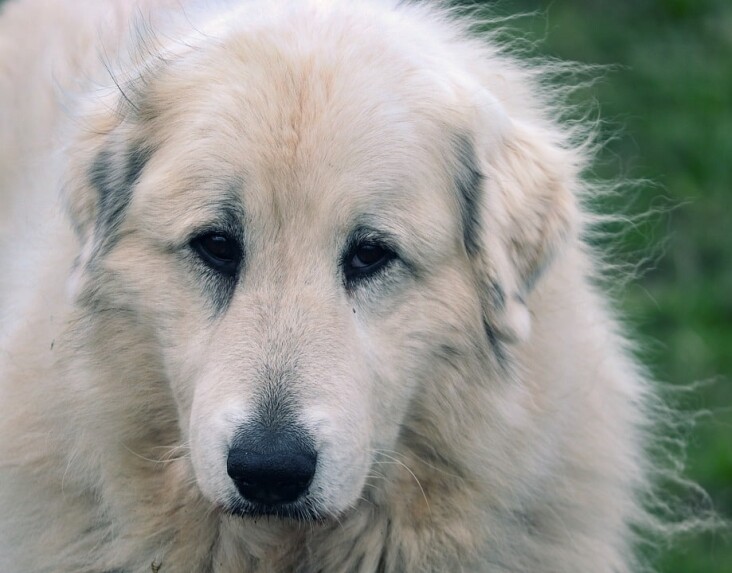
Unleash Joy: Discover the Playful Nature of Pyrenean Shepherds
When you think about playful and loyal dog breeds, the Pyrenean Shepherd stands out as a delightful choice. Known for their intelligence and spirited nature, these dogs are not just adorable companions; they also have a rich history and a unique set of traits that make them special.
Overview of the Pyrenean Shepherd
History
Originating from the mountainous regions of the French and Spanish Pyrenees, Pyrenean Shepherds, known as “Bergers des Pyrénées” in French, have a history steeped in herding sheep. For centuries, they’ve worked alongside shepherds, guiding and protecting livestock. Their agility and intelligence made them invaluable to farmers, and their loving nature has allowed them to transition into family pets.
Temperament and Personality Traits
Pyrenean Shepherds are known for their playful and energetic disposition. They are incredibly intelligent, making them relatively easy to train but also somewhat mischievous. Here are a few key traits and behaviors you can expect:
- Energetic: They require a good amount of exercise and love to play.
- Loyal: These dogs form strong bonds with their families and are incredibly protective.
- Curious: Their inquisitive nature often leads them to explore their environment.
- Social: They usually get along well with other pets and children, although socialization is key.
Grooming Needs
Compared to many other breeds, Pyrenean Shepherds have relatively low grooming requirements. Their coat, which can be either rough or smooth, typically just needs regular, weekly brushing. During shedding seasons, more frequent brushing will keep fur from becoming a nuisance.
Health Considerations
Like any breed, Pyrenean Shepherds are prone to some health issues. These can include hip dysplasia and certain eye conditions. Regular veterinary check-ups, a balanced diet, and proper exercise can help ensure a long and healthy life. Generally, these dogs have a lifespan of about 12 to 15 years.
Suitability for Different Households
Due to their active nature, Pyrenean Shepherds are best suited for households that can provide them with plenty of exercise and mental stimulation. They thrive in environments where they can play outdoors, run, and interact with their families. While they can adapt to apartment living if given enough exercise, homes with a yard are ideal.
Training, Socializing, and Caring for Your Pyrenean Shepherd
Training a Pyrenean Shepherd can be both fun and challenging. Here are some practical tips for successful training and socializing:
Training Tips
- Start Early: Begin training your Pyrenean Shepherd as a puppy. They are more receptive to learning new commands when young.
- Use Positive Reinforcement: Reward good behavior with treats and praises. This will help create a strong bond and encourage good habits.
- Incorporate Play: Use their playful nature to your advantage. Incorporate games that require obedience, like fetch or hide and seek.
- Be Consistent: Use the same commands, tones, and rewards for similar behaviors. Consistency is key in training.
Socializing
Socialization is crucial for Pyrenean Shepherds. Exposure to different environments, people, and animals can foster their friendly nature and curb any overprotective tendencies. Try to:
- Introduce them to new people and pets gradually.
- Take them to different places like parks, pet-friendly stores, and events.
- Encourage positive interactions through playdates and puppy classes.
Caring for Your Pyrenean Shepherd
Ensure your Pyrenean Shepherd has a balanced diet, regular exercise, and mental activities. Engaging toys, training exercises, and time spent exploring the outdoors will keep them happy and mentally stimulated.
emotional support animals
What is an emotional support animal (ESA)?
An Emotional Support Animal (ESA) is a pet that provides comfort, companionship, and support to individuals dealing with emotional or psychological challenges. Unlike service dogs, ESAs do not require specific training to perform tasks but still offer significant emotional support.
Benefits of Designating Your Pet as an ESA
Many people find that having an ESA helps with:
- Anxiety and Depression: Pets offer unconditional love and can distract from overwhelming feelings.
- Social Interaction: Dogs, in particular, can initiate conversations and help people feel connected.
- Routine and Responsibility: Caring for an animal can provide structure and a sense of purpose.
Mental and Emotional Health Benefits
Real-Life Examples:
- Samantha, a nursing student, struggled with severe anxiety. Since adopting her Pyrenean Shepherd, whom she named Ace, her anxious episodes decreased significantly. Ace’s playful nature provided her a reason to go outdoors and socialize.
- James, a retired veteran, felt isolated. His Maine Coon cat, Luna, became his ESA. The calming purring of his feline companion helped him cope with stress and improved his overall mood.
Key Information
- Breed Overview: Originating from the Pyrenees; known for athleticism and intelligence.
- Temperament: Energetic, loyal, curious, and social.
- Grooming: Minimal grooming; regular brushing required.
- Health: Potential issues include hip dysplasia; regular vet check-ups recommended.
- Suitability: Ideal for active households with space for play and exercise.
How Dogs and Cats Provide Emotional Support
The Science and Psychology Behind Pet Support
Research shows that interactions with pets increase the production of oxytocin, the “feel-good hormone.” Spending time with animals can also lower cortisol levels (the stress hormone) and promote feelings of well-being. The very presence of a dog or cat can create a calming effect, manifesting in:
- Reduced Anxiety: Simple interactions like petting a dog can lower anxiety levels.
- Increased Happiness: Regular companionship can combat feelings of loneliness and enhance mood.
- Improved Mental Resilience: Pets provide emotional stability; the routine of caring for them fosters a sense of purpose.
FAQs about Emotional Support Animals
-
What qualifies a pet as an Emotional Support Animal?
- Any pet can be an ESA as long as it provides comfort and support to its owner.
-
Do ESAs require training?
- Unlike service dogs, ESAs do not require specific training.
-
Can I take my ESA on a plane?
- Airlines have specific ESA policies; check with the airline for their requirements.
-
Can my landlord refuse my ESA?
- Under the Fair Housing Act, landlords are generally required to accommodate ESAs, but it’s best to have proper documentation.
-
How can I certify my pet as an ESA?
- You can obtain documentation from licensed mental health professionals, which is often facilitated by platforms like Veripaw.org.
-
Do I need a special license for an ESA?
- No special license is needed, but official documentation is recommended to support your ESA designation.
-
Can an ESA be any type of animal?
- Yes, ESAs can be various animals, including dogs, cats, rabbits, and even birds.
-
How does having an ESA affect mental health?
- Pets can alleviate feelings of loneliness, reduce stress, and improve overall emotional well-being.
Conclusion
If you’re considering bringing a Pyrenean Shepherd or any pet into your life for companionship and emotional support, look into the benefits of designating your furry friend as an Emotional Support Animal. Each day, pets bring joy, reduce anxiety, and enhance mental health.
For those interested in officially recognizing your dog or cat as an ESA, check out Veripaw.org. Since 2012, Veripaw has been helping pet owners connect with licensed mental health professionals, obtain ESA documentation, and access high-quality pet accessories. Start your journey toward emotional well-being today; unleash the joy that comes with having a loving companion!

