
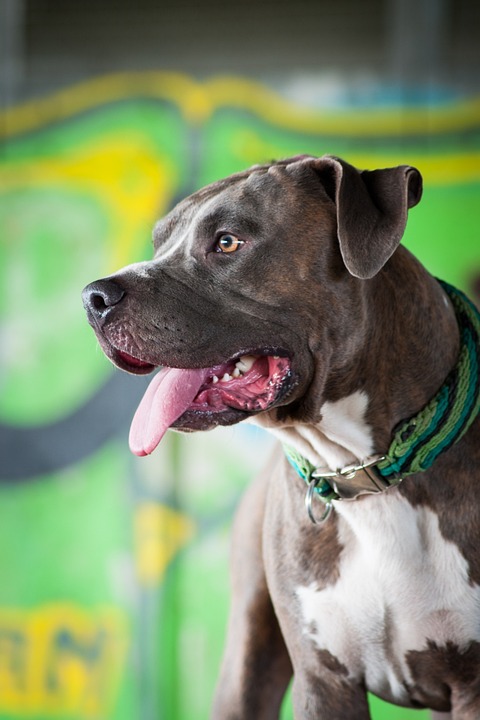
Unleash Joy: 7 Heartwarming Traits of American Staffordshire Terriers
Overview of the Breed
The American Staffordshire Terrier (AmStaff) is a breed that often captures hearts with its loyalty, affection, and strength. This breed traces its roots back to England in the 19th century, where it was developed from the Bulldog and terrier breeds for purposes such as farming and bull-baiting. When these activities became illegal, AmStaffs were bred for companionship, showcasing their loving and playful nature.
History
Originally bred for utility and fighting, American Staffordshire Terriers migrated to the United States, where they became celebrated as devoted family pets. Over time, the focus shifted from their fighting past to their qualities as reliable companions, leading to their recognition by the American Kennel Club (AKC) in 1936.
Temperament and Personality Traits
AmStaffs are often described as loyal, intelligent, and affectionate. They thrive on human interaction and are known for their playful demeanor. Despite their muscular stature, they are often gentle with children, making them excellent family dogs. However, they do require socialization from an early age to curb any aggressive tendencies, which can stem from their ancestry.
Grooming Needs
Caring for an AmStaff is relatively easy. Their short coat requires minimal grooming—regular brushing to remove loose hair will suffice. Bathing should be done as necessary, usually based on how dirty they get. Regular check-ups with the vet are essential for maintaining their overall health.
Health Considerations
American Staffordshire Terriers are generally robust but can be prone to certain genetic conditions, including hip dysplasia, elbow dysplasia, and skin allergies. Regular vet visits and a balanced diet can help mitigate these issues.
Suitability for Different Types of Households
AmStaffs can thrive in various living situations, from apartments to houses with yards. They love to play, but they also require daily exercise. This makes them perfect for both active families and individuals. The key is ensuring they have sufficient activity and mental stimulation.
Training and Socialization Tips
- Start Early: Begin training when your AmStaff is a puppy. This will help shape their behavior and set the groundwork for a well-adjusted adult dog.
- Positive Reinforcement: Use treats and praise to encourage good behavior. AmStaffs are eager to please, making them receptive to positive reinforcement.
- Socialization: Expose your AmStaff to various people, pets, and environments. This will help develop a well-rounded dog and reduce fear or aggression toward unfamiliar situations.
What is an emotional support animal (ESA)?
An Emotional Support Animal, or ESA, is a pet that provides comfort and emotional support to individuals dealing with mental health challenges. Unlike service animals, ESAs don’t require specialized training but must have a letter from a licensed mental health professional to qualify for certain housing and travel benefits.
Mental and Emotional Health Benefits
Pets, especially dogs and cats, offer unique benefits that contribute to mental and emotional well-being. Here are some of the most notable:
-
Reduces Anxiety and Stress: The presence of a pet can lower cortisol levels, the stress hormone, and increase serotonin and dopamine, the “feel-good” hormones. For example, a study found that individuals with pets often reported lower levels of stress than those without.
-
Provides Comfort: AmStaffs are particularly known for their snuggliness. When upset or anxious, simply petting your AmStaff can induce feelings of calm and joy.
-
Encourages Routine and Responsibility: Caring for a pet requires a routine, which can be soothing for individuals with anxiety or depression. Establishing a care regimen can instill a sense of purpose.
Key Information
- Loyal and Affectionate: AmStaffs are excellent companions known for their loving nature.
- Easy Grooming: Their short coat requires minimal grooming.
- Training is Crucial: Begin training and socialization early for the best outcomes.
- Health Check-Ups: Regular vet visits are essential for keeping AmStaffs healthy.
- Benefits of ESAs: Pets can provide significant emotional support, reducing anxiety, and promoting responsibility.
How Dogs and Cats Provide Emotional Support
The bond between humans and pets operates on multiple levels, both psychological and physiological. Here’s how:
- Oxytocin Release: Interacting with pets increases the level of oxytocin, often called the “love hormone,” which contributes to feelings of bonding and decreases stress.
- Distraction from Negative Thoughts: Petting a dog or cat can serve as a distraction from anxiety or depression, allowing individuals to focus on the present moment.
- Social Support: Pets can help foster connections with other people, reducing feelings of loneliness and social isolation.
FAQs about emotional support animals
-
What qualifies a pet as an ESA?
- A pet qualifies as an ESA if it provides comfort and emotional support to an individual with a mental health condition, accompanied by a letter from a licensed mental health professional.
-
Can any animal be an ESA?
- While dogs and cats are the most common ESAs, other animals can also qualify, depending on the situation.
-
Do ESAs have the same rights as service animals?
- No, ESAs have fewer legal rights compared to service animals, especially in public spaces like restaurants and stores.
-
How do I get my pet certified as an ESA?
- You need to speak to a licensed mental health professional who can evaluate your needs and provide you with documentation.
-
Can I take my ESA on an airplane?
- While airlines have specific policies about ESAs, many still allow them on board with proper documentation.
-
Can my pet stay with me in rental housing?
- Under Fair Housing laws, landlords must allow ESAs, even if they have a no-pets policy, provided you have the proper documentation.
-
What’s the cost for ESA registration?
- There’s often a fee for certification, but it varies depending on the provider. Be aware of scams; legitimate certifications typically require a mental health professional’s assessment.
-
Can an ESA help with PTSD?
- Yes, many individuals with PTSD find that their ESA helps reduce symptoms, providing a sense of security and stability.
-
What tasks can an ESA perform?
- Unlike service animals, ESAs are not trained to perform specific tasks but provide emotional support through companionship.
-
Is my pet automatically an ESA?
- A pet doesn’t automatically qualify as an ESA; you need to obtain a letter from a licensed professional to designate them as such.
Conclusion
American Staffordshire Terriers are remarkable companions with a wealth of love and joy to offer. When paired with the invaluable benefits of being an Emotional Support Animal, they can profoundly enhance the lives of those facing emotional and mental challenges. If you’re considering adding an ESA to your support system or wish to have your pet certified, look no further than Veripaw.org. Since 2012, Veripaw has been a trusted resource in connecting pet owners with licensed mental health professionals, assisting in ESA documentation, and providing access to quality pet accessories. Your journey toward emotional well-being starts here!


