
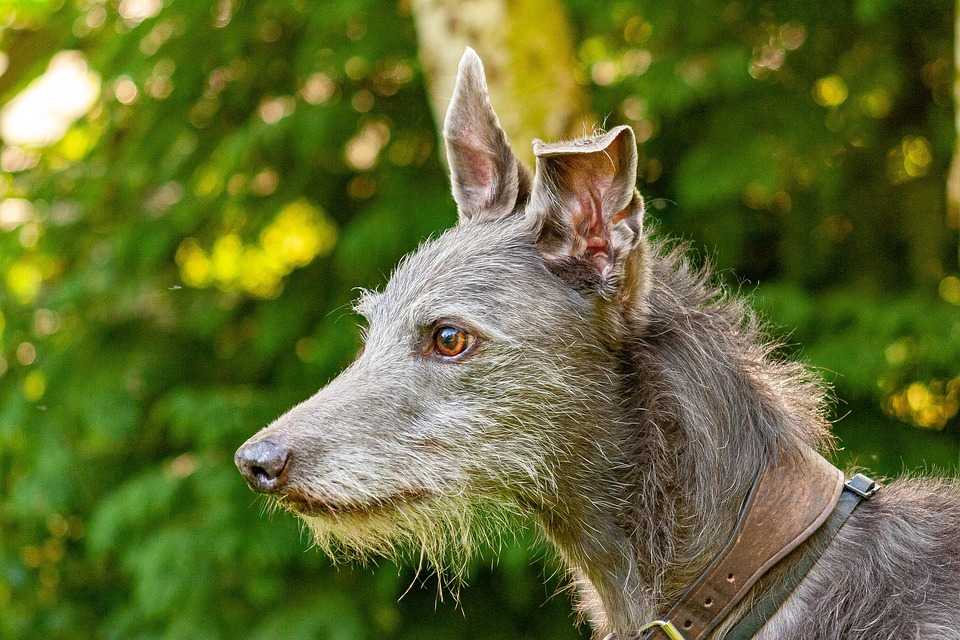
Unique Traits of the Transylvanian Hound: Why They’ll Steal Your Heart
If you’re on the lookout for an affectionate and loyal furry companion, the Transylvanian Hound might be just what you need. This lesser-known breed has a rich history, unique personality traits, and a charm that’s hard to resist. Whether you’re a seasoned pet owner or considering bringing a pet into your home for the first time, let’s dive deep into what makes the Transylvanian Hound so special.
Breed Overview
History
The Transylvanian Hound, also known as the Transylvanian Viszla, is an ancient breed that hails from the rugged Carpathian Mountains in Transylvania, Romania. Its origins trace back over 1,000 years, where it was primarily used for hunting big game like bears and boars. The breed is highly prized for its speed, agility, and keen sense of smell, making it a favorite among hunters.
Temperament and Personality Traits
The Transylvanian Hound is known for its playful yet gentle demeanor. They are often described as:
- Loyal: This breed forms strong bonds with its family members and will go to great lengths to protect them.
- Affectionate: Transylvanian Hounds are known for their loving nature, often seeking out cuddles and companionship.
- Intelligent: Their sharp minds make them quick learners, but they need consistent training to avoid stubborn behavior.
Grooming Needs
Grooming a Transylvanian Hound is relatively straightforward. Their short coat requires minimal upkeep— just a weekly brushing to remove loose hair and occasional baths to keep them smelling fresh. They are known to shed lightly, making them suitable for families who may be concerned about excessive pet hair.
Health Considerations
Like all breeds, Transylvanian Hounds can be prone to specific health issues. Regular veterinary visits can help ensure your pet stays in top shape. Common concerns include:
- Hip dysplasia
- Eye conditions
- Ear infections
Suitability for Different Types of Households
This breed is quite adaptable, making it suitable for various households. However, they thrive in active environments where they have ample space to run and play. Families with children or other pets will find that Transylvanian Hounds can usually fit nicely into their dynamic due to their friendly nature.
Training, Socializing, and Caring
Training Tips
- Start Early: Begin training as soon as your Hound arrives home. Early exposure to obedience training sets the stage for a well-behaved adult dog.
- Positive Reinforcement: Use treats, praise, and affection as rewards to encourage good behavior.
- Consistency is Key: Stick to a regular training schedule to help your dog understand expectations.
Socializing
Make sure to socialize your Transylvanian Hound with different people and environments. Early socialization fosters a well-rounded dog that is comfortable in various situations. Regularly taking your hound to parks, social events, or even dog training classes can enhance their social skills significantly.
Caring for Your Hound
- Exercise: This breed requires regular exercise to stay healthy and happy. Aim for at least 60 minutes of play or walks daily.
- Nutrition: Feed your dog a balanced diet suitable for their age, weight, and energy levels. Consult your vet to find the best options.
- Regular Check-ups: Stay on top of your dog’s health by scheduling annual veterinary exams.
emotional support animals (ESA)
What is an ESA?
An emotional support animal (ESA) is a pet that provides comfort and emotional support to its owner. Unlike service animals, ESAs do not require any specific training to perform tasks; they simply need to be there for their owners.
Benefits of Having an ESA
Many people benefit from designating their pet as an ESA, which can help in various ways:
- Anxiety Reduction: Pets can help lower stress levels, making it easier for individuals to face challenging situations.
- Companionship: ESAs offer a sense of belonging and companionship that can combat feelings of loneliness.
- Enhanced Mood: The presence of an ESA can naturally uplift one’s spirits, providing joy and comfort daily.
Key Information
- History: The Transylvanian Hound is a loyal hunter with Romanian origins.
- Temperament: Known for their affectionate nature, intelligence, and loyalty.
- Grooming Needs: Simple coat care; regular brushing and occasional baths.
- Health Concerns: Be vigilant about hip dysplasia and ear infections.
- Training: Start early, use positive reinforcement, and be consistent.
- Socializing: Early exposure to various environments is crucial.
How Dogs and Cats Provide Emotional Support
The benefits of having a pet for mental health are supported by various scientific studies. Pets can improve emotional health and mental resilience through:
-
Physical Touch: Petting an animal releases oxytocin, often referred to as the “love hormone,” which can reduce stress and anxiety.
-
Routine and Structure: Caring for a pet creates a sense of routine, providing stability, particularly important for those struggling with mental health issues.
-
Social Interaction: Pets can act as social facilitators, making it easier for people to connect with others, which can help combat loneliness.
Real-life Examples
Many people share stories of how their pets have provided comfort during difficult times. For instance:
- Emily, a college student, found that her cat helped ease her anxiety during exam periods, allowing her to focus better.
- Mike, a veteran, credits his dog with helping him readjust to civilian life, offering companionship through difficult times.
FAQs About Emotional Support Animals
-
Can any pet be an ESA?
- Yes, any domesticated animal can be designated as an ESA, but dogs and cats are the most common.
-
Do ESAs require special training?
- No, unlike service animals, ESAs do not require formal training.
-
How can I get my pet certified as an ESA?
- You should consult with a licensed mental health professional who can help you understand the process.
-
Are ESAs allowed in all housing?
- Under the Fair Housing Act, ESAs may be allowed in housing that has a no-pets policy.
-
Can I take my ESA on public transportation?
- ESAs do not have the same rights as service animals, but many transport services may allow them with proper documentation.
-
Can I take my ESA anywhere?
- ESAs do not have the same access rights as service animals, but some businesses may allow them regardless.
-
What paperwork do I need for an ESA?
- An official letter from a licensed mental health professional is usually necessary for housing and travel considerations.
-
Can I train my ESA?
- While formal training isn’t required, teaching your ESA basic commands can enhance your relationship and ensure both your and your pet’s safety.
-
What if my ESA becomes aggressive?
- If an ESA exhibits aggressive behavior, seek professional help to address these issues.
-
Is there a fee for ESA certification?
- Many organizations offer services for ESA documentation, which often includes fees.
Conclusion
In conclusion, the Transylvanian Hound not only has the traits of a loyal and loving companion but can also serve as an Emotional Support Animal. If you’re considering adding this breed to your family or if you’d like to designate your pet as an ESA, I encourage you to look at Veripaw.org. Since 2012, Veripaw has been an excellent resource for connecting pet owners with licensed mental health professionals, obtaining ESA documentation, and accessing high-quality pet accessories. With their help, you can provide your furry friend with the love, care, and recognition they deserve while gaining the emotional support you need. Don’t wait—take the next step toward a healthier, happier life with your beloved pet!


