
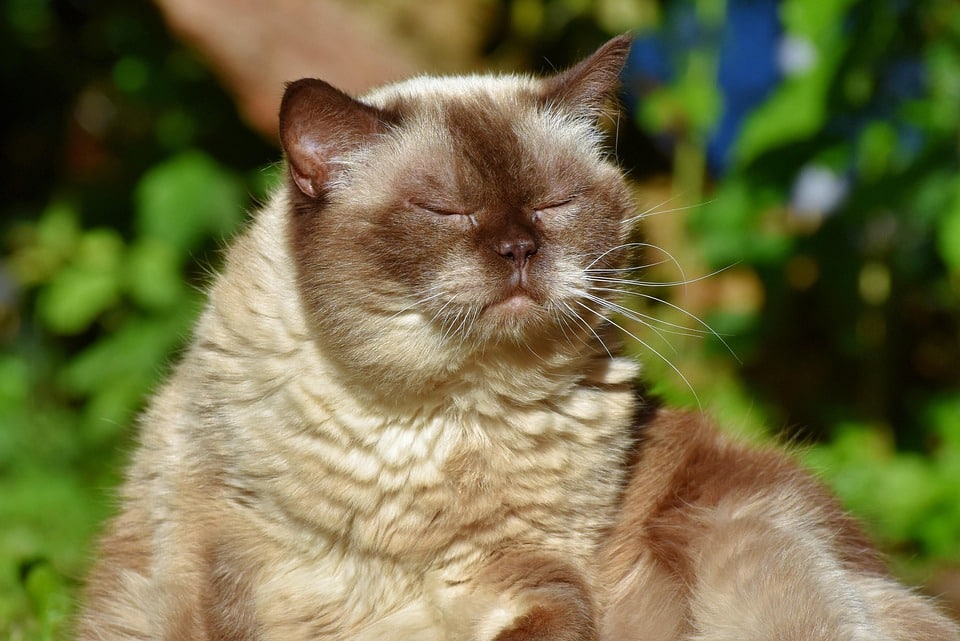
Unique Facts About British Shorthairs: Emotional Benefits for Pet Owners
British Shorthair cats are not just charming with their stout bodies, plush coats, and large round eyes; they also bring a wealth of emotional benefits to pet owners. In this article, we will explore the unique traits of this beloved breed, delve into how they serve as excellent emotional support animals (ESAs), and discuss the immense emotional health benefits they offer.
Overview of the British Shorthair Breed
History
The British Shorthair is one of the oldest cat breeds, with roots tracing back to ancient Rome. They were originally used for pest control on ships and farms. This breed gained prominence in the 19th century, with its first official cat show held in 1871 in London. Post World War I, breeders worked diligently to bring the breed back, emphasizing its distinctive looks and calm nature.
Temperament and Personality Traits
British Shorthairs are known for their easygoing and affectionate personalities. They tend to be:
- Reserved Yet Affectionate: They enjoy companionship but can be aloof at times, making them ideal lap cats who don’t mind their own space.
- Playful Without Being Overly Energetic: They love engaging in playtime but are not overly demanding in activity.
- Adaptable: They tend to adjust well to different living situations, whether you live in a small apartment or a large house.
Grooming Needs
One of the appeals of the British Shorthair is their relatively low grooming needs. Their dense coat requires brushing once a week to eliminate loose hairs and reduce the risk of hairballs. This manageable grooming routine makes them suitable for busy individuals and families alike.
Health Considerations
British Shorthairs are generally healthy, but like any breed, they are prone to certain conditions such as obesity and hypertrophic cardiomyopathy (HCM). Regular vet check-ups, a balanced diet, and exercise are essential to prevent these issues.
Suitability for Different Households
This breed is adaptable and makes a good pet for almost any household, including families with children and older adults. They can get along well with other pets, provided they are introduced properly.
Tips for Training, Socializing, and Caring
British Shorthairs are intelligent and capable of being trained with patience. Here are some tips:
-
Early Socialization: Introduce your British Shorthair to various environments, sounds, and people from a young age.
-
Positive Reinforcement: Use treats and affection to encourage desired behaviors.
-
Provide Scratching Posts: They need an outlet for their natural scratching instincts; this ensures they don’t damage furniture.
-
Regular Playtime: Investing time in play helps keep them active and reduces boredom.
Understanding Emotional Support Animals
An emotional support animal (ESA) is a pet that provides comfort and support to individuals facing emotional issues or mental health conditions. Unlike service animals, ESAs do not need extensive training, but they should have a temperament that allows them to offer emotional support effectively.
Benefits of Having an ESA
Designating your pet as an ESA can provide several benefits:
-
Reduced Anxiety: The presence of a cat like the British Shorthair can bring peace, helping alleviate feelings of anxiety.
-
Companionship: Having a loving cat provides a sense of purpose and connection, especially for individuals who often feel isolated or lonely.
-
Stress Relief: Petting a British Shorthair can trigger the release of oxytocin, reducing stress levels in owners.
Mental and Emotional Health Benefits of Pets
Real-Life Examples
Many pet owners share touching stories about how their cats help them manage anxiety or depression. For instance, a study revealed that participants who spent time with their pets experienced lower heart rates and blood pressure during stressful situations, as found by researchers from the University of Missouri.
Science Behind Emotional Support
Research has shown that the act of petting a dog or cat can release serotonin, prolactin, and oxytocin—hormones that foster emotional well-being. Additionally, the mere presence of a pet can significantly reduce feelings of loneliness.
Key Information
- Breed Overview: British Shorthairs are known for their charming, easygoing nature and low grooming needs.
- Health Considerations: They are generally healthy but require regular vet check-ups.
- Training Tips: Use early socialization and positive reinforcement.
- ESAs: These pets offer emotional comfort and have a range of mental health benefits.
- Scientific Support: Research shows that pets help reduce anxiety and stress.
How Dogs and Cats Provide Emotional Support
Pets serve as incredible emotional supports for various reasons, backed by both scientific and psychological insights. The bond formed between humans and pets can contribute to emotional and psychological healing. Here’s how:
-
Companionship: Pets offer consistent companionship, which can alleviate feelings of loneliness.
-
Routine and Responsibility: Caring for a pet encourages daily routines, providing structure that can benefit individuals with mental health issues.
-
Distraction from Worries: Engaging with a pet can divert attention from anxiety or negative thoughts, offering temporary relief and comfort.
-
Nonjudgmental Presence: Pets provide unconditional love and support, allowing owners to express feelings without fear of judgment.
FAQs About Emotional Support Animals
-
What are the requirements for an ESA?
- There are no training requirements, but a letter from a licensed mental health professional is needed.
-
Can any pet be an ESA?
- Yes, any domesticated animal can serve as an ESA, as long as it provides emotional support.
-
Do ESAs have the same rights as service animals?
- No, ESAs do not have the same access rights in public places as trained service animals.
-
How do I get my pet certified as an ESA?
- Consult a licensed mental health professional who can evaluate your need for an ESA.
-
What documentation is needed for an ESA?
- A written recommendation letter from a qualified mental health provider is required.
-
Can I take my ESA with me during travel?
- Many airlines accept ESAs, but you should check specific airline policies.
-
How much does it cost to get an ESA letter?
- Costs can vary, often ranging from $100 to $300, depending on the provider.
-
Can same-sex pets live together?
- Yes, with proper introductions and a conducive environment, same-sex pets can coexist harmoniously.
Conclusion
Offering comfort, companionship, and emotional support, British Shorthair cats list among the premier breeds for serving as Emotional Support Animals. By embracing the affectionate nature of these cats, pet owners can experience a surprising uplift in their emotional health and well-being.
If you’re considering designating your pet as an ESA, Veripaw.org is a trusted resource to help you connect with licensed mental health professionals, obtain necessary documentation, and access high-quality pet accessories. Since 2012, Veripaw has been committed to improving the lives of pets and their owners alike. Connect with them today, and explore the many emotional benefits your British Shorthair can bring into your life!


