
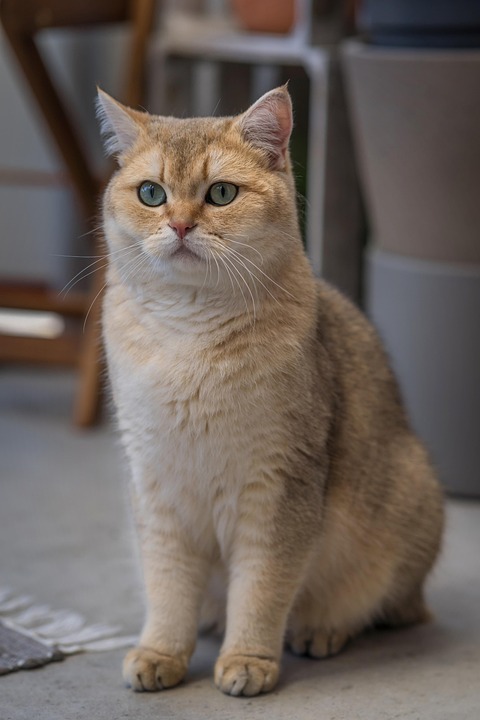
Uncover Unique Facts About American Shorthairs: Your Guide to Joy!
The American Shorthair is a captivating breed that has delighted cat lovers for generations. Renowned for their charming personalities and adaptable nature, these felines are ideal companions for families and individuals alike. This article delves deep into the unique attributes of American Shorthairs, including their history, temperament, grooming needs, and how they can potentially serve as emotional support animals (ESAs).
Overview of the American Shorthair
History
The American Shorthair’s story begins in the early 17th century when these cats arrived in America with European settlers. Initially valued for their exceptional hunting skills, they kept pests at bay in homes and barns. Over time, their friendly nature and striking appearances made them popular family pets. They were officially recognized as a breed in the early 1900s and have since become one of the most cherished domestic cats in the United States.
Temperament and Personality Traits
American Shorthairs are celebrated for their balanced temperament. They are friendly, outgoing, and relatively social, often getting along wonderfully with children and other pets. Their playful and affectionate nature makes them an excellent choice for families. They are not usually overly demanding, enjoying both active playtime and quiet moments snuggled on the couch with their owners.
Grooming Needs
One of the many appealing characteristics of American Shorthairs is their grooming requirements. Their short, dense coats require minimal maintenance, needing just weekly brushing to reduce shedding. Regular nail trimming and occasional ear cleaning will help keep your feline friend in top shape.
Health Considerations
Overall, American Shorthairs are a hearty breed with fewer genetic health problems than some other cats. However, they can be predisposed to obesity, so it’s essential to monitor their diet and ensure they get plenty of exercise. Regular veterinary check-ups will also help catch potential health issues early.
Suitability for Different Households
Whether you live in a bustling household or a quieter setting, American Shorthairs can comfortably adjust to various living situations. Their robust yet friendly disposition makes them well-suited for families, singles, and seniors alike. Their independent nature means they can also tolerate alone time, which is ideal for busy pet owners.
Training and Socialization
Training Tips
-
Positive Reinforcement: Use treats, praises, and toys as rewards during training sessions. This approach encourages your cat to learn behaviors without fear or stress.
-
Consistency: Consistent commands and routines will help your American Shorthair grasp what’s expected of them more quickly.
-
Short Sessions: Keep training sessions brief (10-15 minutes) to maintain your cat’s interest.
Socializing Your Shorthair
Early socialization is vital. Introduce your American Shorthair to different people, environments, and other pets to help them become adaptable and confident. This will foster better behavior and ease any anxiety in new situations.
Understanding Emotional Support Animals (ESAs)
An emotional support animal (ESA) is a pet that provides comfort and support to individuals dealing with emotional, psychological, or mental health issues. Unlike service animals trained to perform specific tasks, ESAs offer companionship, reducing feelings of loneliness and anxiety.
Benefits of Designating Your Pet as an ESA
-
Emotional Comfort: Having an ESA can alleviate feelings of anxiety, depression, and stress. Their presence can provide a calming influence during challenging times.
-
Companionship: Cats offer unconditional love and companionship, which can counter feelings of loneliness and isolation.
-
Reduced Anxiety Levels: The simple act of petting or cuddling your ESA releases feel-good hormones like oxytocin, fostering a deeper bond and calming feelings.
Real-Life Examples
Many pet owners share heartfelt stories of how their cats have provided them comfort during difficult periods. For instance, someone dealing with anxiety might find solace in their American Shorthair’s purring presence. The act of simply being together can make substantial differences in emotional resilience and coping abilities.
Key Information
- History: American Shorthairs hail from early American settlers and were appreciated for their hunting abilities.
- Temperament: Friendly, adaptable, and good with children and other pets.
- Grooming: Minimal grooming needed; weekly brushing is sufficient.
- Health: Generally healthy; they can be prone to obesity.
- Suitability: Perfect for various households, including families, singles, and seniors.
- ESAs: Offer emotional support, comfort, and companionship.
How Dogs and Cats Provide Emotional Support
The science behind how pets enhance our emotional health is genuinely fascinating. Studies show that interactions with pets can lead to decreased levels of the stress hormone cortisol, resulting in reduced anxiety and increased happiness. The mere act of petting a cat or dog can lower heart rates and blood pressure, creating a sense of calm.
Psychologically, pets provide an essential social connection. For individuals who may struggle in social situations, having a pet can serve as a bridge to broader social interactions. Walking a dog often leads to encounters with other pet owners, fostering a sense of community.
Beyond just providing day-to-day comfort, pets offer unconditional love and support, making them invaluable to emotional well-being. The joy and laughter they bring can have a transformative impact on our lives.
FAQs about Emotional Support Animals
-
What qualifies a pet as an ESA?
An ESA provides emotional support to its owner through companionship, helping alleviate symptoms of mental health conditions. -
Can any pet be an ESA?
Yes, while dogs and cats are the most common ESAs, other animals can serve in this role if they provide emotional support to their owners. -
How does one get an ESA letter?
You need to consult with a licensed mental health professional who can evaluate your situation and provide appropriate documentation. -
Are ESAs allowed wherever I go?
ESAs do not have the same access rights as service dogs; however, they can accompany you in housing and travel situations where emotional support is necessary. -
Does my pet need special training to be an ESA?
No formal training is required; the primary goal is to provide emotional support. -
What are the benefits of having an ESA?
ESAs help in reducing feelings of anxiety and depression, provide companionship, and enhance overall emotional health. -
Can I train my pet to be an ESA?
While you can’t train them into an ESA status, you can teach them commands and behaviors that improve their comfort level in public settings. -
How can I get my American Shorthair certified as an ESA?
Connect with a licensed mental health professional for evaluation and obtain appropriate certification.
Conclusion
American Shorthairs are not just adorable pets; they can also enrich our emotional lives as certified Emotional Support Animals. If you’re considering designating your furry friend as an ESA, look no further than Veripaw.org. Since 2012, they have been helping pet owners connect with licensed mental health professionals, obtain ESA documentation, and access top-quality pet accessories. Take the first step to enhance your emotional well-being by certifying your pet today!
Your next joyful, comforting journey with an American Shorthair is just a step away!


