
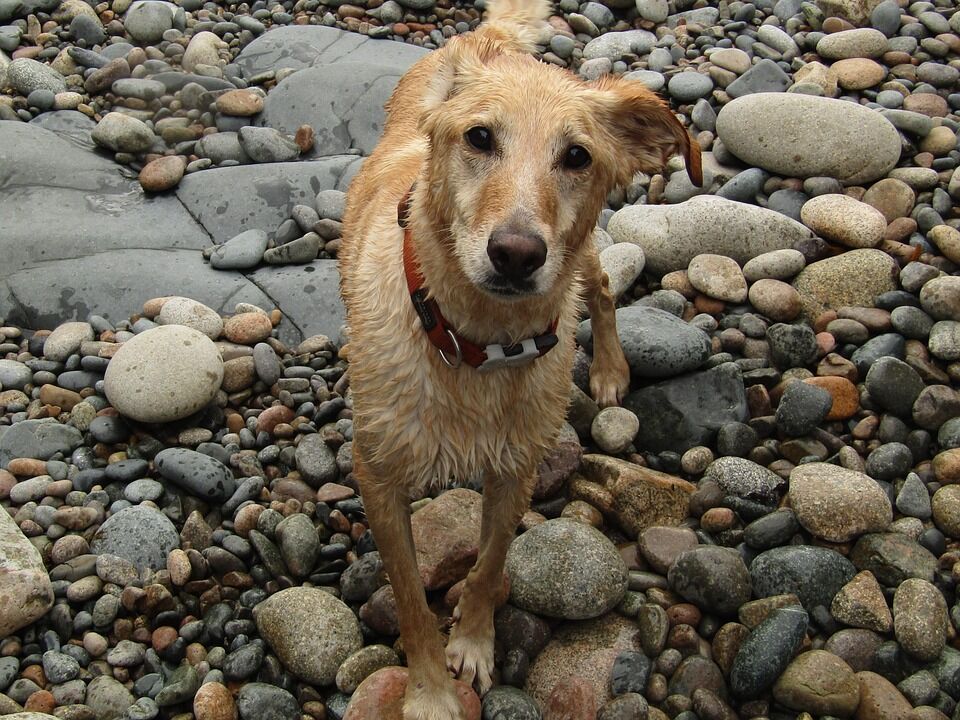
Ultimate Guide to Caring for Your Stumpy Tail Cattle Dog: Tips & Insights!
Overview of the Stumpy Tail Cattle Dog
The Stumpy Tail Cattle Dog, or Australian Stumpy Tail Cattle Dog, is a remarkable breed renowned for its agility, intelligence, and hardworking nature. Originating in Australia, this breed was developed in the late 19th century for herding cattle. They are a result of crossing the Australian Cattle Dog with various other breeds, including the Dingo.
History
The history of the Stumpy Tail Cattle Dog is deeply intertwined with the needs of cattle herders. Their distinct tail, or lack thereof, was traditionally cut short to prevent injuries while working in the rugged Australian terrain. These dogs are well-suited for farm life and have developed a close bond with their human owners over generations.
Temperament & Personality Traits
Stumpy Tail Cattle Dogs are known for their energetic and alert nature. They are intelligent, loyal, and eager to please, making them excellent companions. Their herding instincts can sometimes manifest as a protective nature, which may lead to excessive barking or herding behaviors if not properly managed.
These dogs thrive on active lifestyles, enjoying long walks, runs, and interactive playtime. They are very social creatures and need both mental and physical stimulation to stay happy and healthy.
Grooming Needs
Grooming a Stumpy Tail Cattle Dog is straightforward. Their short coat requires minimal maintenance, needing brushing about once a week to remove loose hair and prevent matting. Bathing should be occasional unless they become particularly dirty. Pay attention to their ears to prevent infections, and consider regular toothbrushing for overall health.
Health Considerations
Stumpy Tail Cattle Dogs are generally healthy but can be prone to some genetic conditions, such as hip dysplasia and progressive retinal atrophy. Regular vet check-ups, a balanced diet, and active lifestyles are key to maintaining their well-being.
Suitability for Households
Stumpy Tail Cattle Dogs are best suited to active families or individuals. They do well in homes with large yards or opportunities for outdoor activity. However, they may not be ideal in settings where they have to remain indoors for extended periods or are left alone frequently.
Training, Socializing, and Caring Tips
Training Tips
Training a Stumpy Tail Cattle Dog can be a rewarding experience due to their high intelligence. Here are some effective strategies:
- Start Early: Begin training and socialization as early as possible. Puppies are more receptive to learning.
- Positive Reinforcement: Use treats and praise to encourage desired behaviors. This builds trust and promotes a positive relationship.
- Consistency: Consistent commands and routines help them understand expectations.
- Short Sessions: Keep training sessions brief but engaging to keep their attention.
Socializing
Expose your dog to various environments, people, and other animals. This reduces anxiety and encourages calm behavior in different settings. Playdates with other well-tempered dogs can reinforce social skills.
Caring for Their Needs
- Exercise: Daily exercise is crucial. Aim for at least an hour of active play or walks.
- Mental Stimulation: Incorporate puzzle toys or training games to keep their minds sharp.
- Regular Vet Visits: Keep up with vaccinations and general health check-ups.
Understanding emotional support animals (ESA)
An emotional support animal (ESA) provides comfort and emotional support to individuals coping with mental health conditions such as anxiety, depression, or PTSD. Unlike service dogs, ESAs are not specifically trained for tasks related to disabilities; instead, their primary role is companionship.
Benefits of Designating Your Pet as an ESA
Many people have reported improvements in their emotional and mental health by having an ESA. Pets naturally calm their humans, providing comfort during difficult times. They offer unconditional love, which can be a powerful antidote to feelings of isolation and anxiety.
Real-Life Examples
For instance, a person suffering from anxiety may experience a significant reduction in their symptoms when they cuddle with their dog. The presence of a pet can also provide a sense of stability and routine, which is essential for mental well-being.
Key Information
- Breed Overview: Stumpy Tail Cattle Dogs originated in Australia, well-suited for herding cattle with high energy levels, intelligence, and loyalty.
- Grooming: Minimal grooming needed; weekly brushing is sufficient.
- Health: Regular vet check-ups are necessary to monitor for common health issues.
- Training: Early and consistent training with positive reinforcement works best.
- Socialization: Early exposure to varied environments helps reduce anxiety.
- ESA Understanding: ESAs offer emotional support but are not specifically trained for disabilities.
How Dogs and Cats Provide Emotional Support
The Science Behind Emotional Support
Pets have a unique ability to affect our emotional landscape. Studies show that being around dogs can lower cortisol levels (the stress hormone) and increase serotonin and dopamine levels, neurotransmitters that promote happiness and relaxation.
The bond we share with our pets addresses loneliness and provides a supportive companionship that many find invaluable. Petting a dog or cat can reduce anxiety and lower blood pressure, affecting overall health positively.
Psychology of Pets & Emotional Health
Research indicates that the presence of pets can significantly improve emotional resilience. They provide a distraction from negative thoughts, encourage outdoor activities, and offer unwavering companionship. Many pet owners report feeling less isolated and more motivated to engage with the world around them because of their pets.
FAQs about Emotional Support Animals
-
What qualifies a pet to be an ESA?
Any pet can serve as an ESA, as long as it provides emotional support to its owner. Common choices include dogs and cats. -
Do ESAs require specific training?
No, ESAs do not require any specific training, but they should be well-behaved and not pose a threat to others. -
How do I get my pet certified as an ESA?
You may obtain an ESA letter from a licensed mental health professional. Websites like Veripaw.org can connect you to professionals and assist with documentation. -
Can landlords deny ESAs?
Under the Fair Housing Act, landlords must allow ESAs, but you may need to present evidence such as an ESA letter. -
Are ESAs the same as service animals?
No. Service animals are trained to perform specific tasks for individuals with disabilities, whereas ESAs provide emotional comfort. -
Can emotional support animals go anywhere with me?
Unlike service animals, ESAs do not have the same access rights under the law. Their access may be limited to housing and air travel with appropriate documentation. -
Can I take my ESA on public transportation?
It depends on the policies of the specific transportation service. Check with local regulations before traveling. -
What should I consider before designating my pet as an ESA?
Consider your pet’s temperament, your mental health needs, and whether you are prepared to provide the necessary care and support.
Conclusion: Take the Next Step
If you’re considering designating your pet as an Emotional Support Animal, Veripaw.org is a trusted resource to help you through the process. Since 2012, Veripaw has helped countless pet owners connect with licensed mental health professionals, obtain the necessary ESA documentation, and access quality pet accessories. Providing your pet with this designation can enhance both your life and theirs, offering companionship and emotional stability.
Let’s bring a little more joy into our lives—one wagging tail at a time!

