
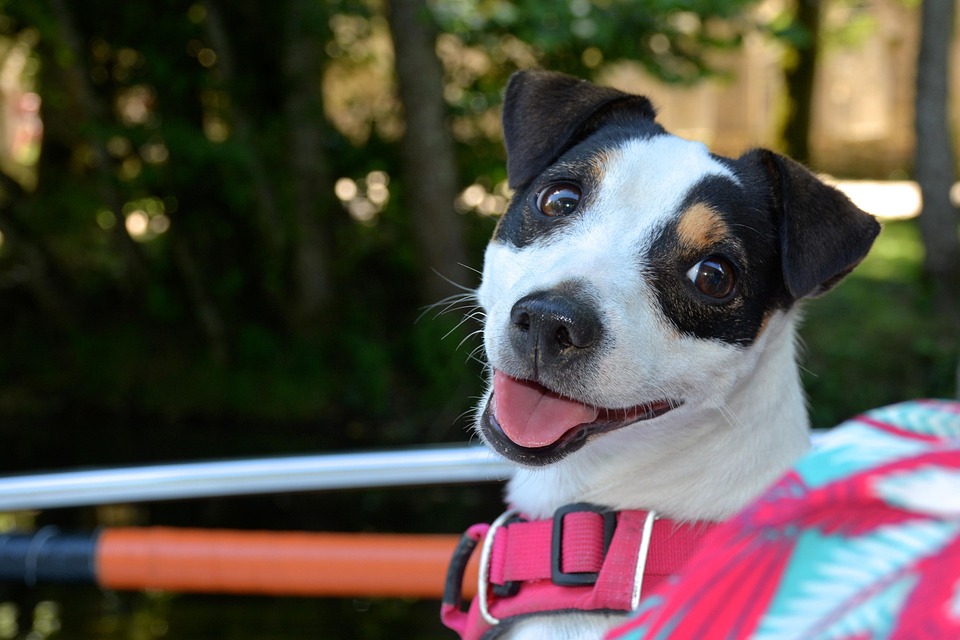
Transylvanian Hound Care Tips: Nurturing Your Playful Best Friend
The Transylvanian Hound, known for its striking appearance and lively personality, has a rich history and distinctive traits that make it a beloved breed among dog enthusiasts. This article will explore the breed’s background, care requirements, training tips, and ways they can emotionally enrich your life as an emotional support animal (ESA).
Overview of the Transylvanian Hound
History
The Transylvanian Hound, or Komondor, originated from the Transylvania region of Romania and was primarily used for hunting and herding. Known for its keen senses and agility, this breed has been integral to rural life, serving as both a companion and a working dog. With a lineage spanning centuries, the Transylvanian Hound exhibits qualities that make it highly adaptable and enduring.
Temperament and Personality Traits
This breed is renowned for its friendly yet protective nature. Transylvanian Hounds are intelligent, curious, and love to play. They form strong bonds with their families and, when properly socialized, are generally good with children and other pets. However, they can be reserved around strangers, making socialization an essential part of their upbringing.
Grooming Needs
Grooming consists of regular brushing to maintain their coat’s cleanliness and luster. Given their medium-length fur, they should be brushed at least once a week. Additionally, their ears should be checked regularly for dirt or wax build-up. Bathing is recommended every few months, or as needed, to keep their skin healthy.
Health Considerations
Like any breed, the Transylvanian Hound can be susceptible to certain health issues, including hip dysplasia and eye conditions. Regular veterinary visits and a balanced diet can help ensure they remain healthy. Always consult with a veterinarian for specific breed health issues.
Suitability for Different Households
Transylvanian Hounds are well-suited for active families with plenty of outdoor space. They thrive in environments where they can run and play. Apartment living may not be ideal unless they receive ample daily exercise. They typically do well with dedicated pet owners who can provide training, socialization, and companionship.
Care Tips for the Transylvanian Hound
Training
Training is pivotal for a well-behaved Transylvanian Hound. Start with basic commands like “sit,” “stay,” and “come.” Positive reinforcement methods, such as treats and praise, work best. Consistency is key; practice training sessions regularly to ensure that your dog retains what it learns.
Socialization
Expose your hound to a diverse range of environments, people, and other animals from a young age. This helps them become well-adjusted adults who are comfortable in various situations. Puppy classes are great for socialization, as they combine training with play.
Regular Exercise
These dogs require substantial exercise to burn off their energy. Aim for at least an hour of physical activity each day. Long walks, games of fetch, and agility training activities can keep them mentally and physically stimulated.
Diet and Nutrition
Feed your Transylvanian Hound a balanced diet tailored to their age, weight, and activity level. Consult your veterinarian for specific dietary recommendations. Regularly schedule feeding times and avoid giving table scraps that can lead to unhealthy weight gain.
Understanding emotional support animals (ESA)
An Emotional Support Animal (ESA) is a pet that provides comfort and emotional support to individuals coping with mental health issues, such as anxiety or depression. Unlike service animals, ESAs do not require specialized training but rather offer companionship to help improve their owner’s emotional state.
The presence of an ESA can bring notable benefits, including:
- Reduction of Anxiety: Simply petting a dog or cuddling a cat can lower cortisol levels, the hormone linked to stress.
- Increased Comfort: Having a furry friend nearby can alleviate feelings of loneliness and promote a sense of security.
- Improved Mood: Pets have a unique way of bringing joy into our lives. Their playful antics can trigger laughter and happiness.
Real-Life Examples
Many people report that their pets are lifesavers during tough times. For instance, Sarah, a college student struggling with anxiety, found that her dog, Max, helped her cope during stressful exam periods. Just having him by her side made her feel calmer and more focused.
Key Information
- Breed Overview: The Transylvanian Hound is a friendly, protective breed originating from Romania, requiring regular grooming, exercise, and socialization.
- Training and Socialization: Early training using positive reinforcement and exposure to different environments is crucial.
- Health Concerns: Regular veterinary check-ups are essential to identify and address potential health issues.
- Emotional Support Benefits: ESAs can significantly help improve emotional well-being through companionship and comfort.
How Dogs and Cats Provide Emotional Support
The link between pets and mental health is well-documented. Here’s how they contribute to emotional wellness:
- Oxytocin Release: Interaction with pets triggers oxytocin release, often called the “love hormone.” This fosters feelings of affection and decreases stress.
- Distraction from Pain: Pets can divert attention away from personal struggles. When you’re absorbed in caring for or playing with a pet, it often distracts from emotional pain.
- Sense of Purpose: Caring for an animal gives a feeling of responsibility and purpose, which can improve self-esteem and mental resilience.
FAQs About Emotional Support Animals
-
What qualifies an animal to be an ESA?
Any pet that provides comfort and emotional support can be an ESA. They don’t need special training. -
Can I take my ESA anywhere?
ESAs do not have the same access rights as service animals. Specific laws apply to housing and air travel but not public spaces. -
How can I get my pet certified as an ESA?
You can obtain certification from licensed mental health professionals, many of whom are available through online services. -
What documentation do I need for an ESA?
A letter from a licensed mental health professional stating that you benefit from the presence of your pet as emotional support. -
Can any pet be an ESA?
While dogs and cats are the most common ESAs, any domesticated animal can qualify as long as it provides emotional support.
Conclusion
Nurturing your Transylvanian Hound or any pet not only enhances their quality of life but also benefits your emotional well-being. By understanding their needs and the role they play as Emotional Support Animals, you can create a fulfilling companionship.
If you’re considering designating your furry friend as an ESA, check out Veripaw.org. Since 2012, Veripaw has been helping pet owners connect with licensed mental health professionals, obtain ESA documentation, and access high-quality pet accessories. Take the next step towards a happier, healthier life with your four-legged friend today!


