
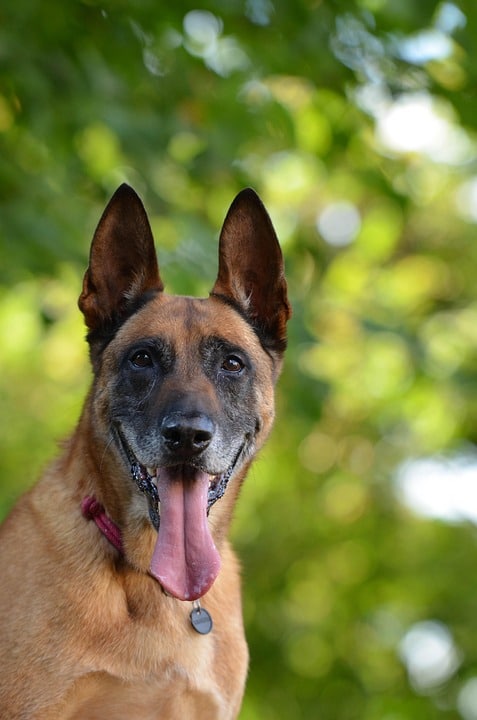
Training Your Belgian Malinois: Tips for a Happy, Well-Behaved Pup
Overview of the Belgian Malinois
The Belgian Malinois is a remarkable breed known for its intelligence, agility, and unwavering loyalty. Originating in Belgium during the late 1800s, this breed was initially developed as a herding dog. Renowned for their work ethic, Malinois have been adopted in various roles, including police, military, search and rescue, and service dogs. Their high energy and trainability make them a favorite for active households.
Temperament and Personality Traits
Malinois dogs are characterized by their spirited, alert, and responsive nature. With a strong desire to please, they thrive in environments where they can be engaged physically and mentally. This breed is typically confident, courageous, and very protective of their family, making them excellent watchdogs. However, their spirited nature can also lead to anxiety or destructive behavior if not properly trained and socialized.
Grooming Needs
In terms of grooming, the Belgian Malinois has a short, double coat that requires minimal upkeep. Regular brushing, especially during shedding seasons, can help keep their coat healthy and free of debris. Bathing should be done only as necessary to maintain the natural oils in their fur. Overall, they are relatively low-maintenance when it comes to grooming, though regular dental care, nail trimming, and ear cleaning are essential.
Health Considerations
Like any breed, the Belgian Malinois can be prone to certain health issues, including hip dysplasia, progressive retinal atrophy, and skin allergies. Regular vet check-ups, a nutritious diet, adequate exercise, and mental engagement can help keep these issues at bay.
Suitability for Different Households
The Belgian Malinois is best suited for active families or individuals who can provide plenty of physical exercise and mental stimulation. They thrive in environments where they can engage in various activities, such as agility training, obedience classes, or even dog sports. While they can adapt to apartment living if supported by ample exercise, a house with a secure yard is ideal. Families with young children or other animals should consider behavioral training and socialization to ensure harmonious relationships.
Tips for Training Your Belgian Malinois
Start Early
Beginning training as early as possible is crucial for a Belgian Malinois. Puppies are naturally curious and eager to learn, making them perfect candidates for early socialization and obedience training.
Consistency is Key
Using consistent commands and rewards helps your dog understand what you expect. Reinforcing positive behavior with treats, praise, or playtime can go a long way in establishing good habits.
Engage the Mind
Malinois are intelligent dogs that require mental stimulation to stay happy and behave well. Puzzle toys, obedience training sessions, and fun agility courses can keep their minds engaged.
Socialization
Exposing your Belgian Malinois to various environments, people, and situations from a young age will help prevent anxiety and fear-based behaviors as they grow. Enroll in puppy classes where your dog can interact with other dogs in a controlled setting.
emotional support animals (ESA)
An emotional support animal (ESA) is a pet that provides comfort, support, and companionship to individuals suffering from emotional or psychological conditions. Unlike service dogs, ESAs are not trained to perform specific tasks but are there to help their owners cope with mental health issues, such as anxiety and depression.
Benefits of Having an ESA
Having an ESA can be tremendously beneficial. Many people find that the mere presence of their dog or cat can reduce feelings of loneliness and anxiety. For example, a person dealing with PTSD might experience calming effects when their dog snuggles up next to them during a stressful moment.
Key Information
- Belgian Malinois: A highly intelligent and active breed suitable for active households.
- Training: Start early, be consistent, and engage the mind.
- Grooming: Low-maintenance with minimal grooming needs.
- Health: Regular vet check-ups are essential for this breed.
- Emotional Support Animals: Provide companionship, reduce anxiety, and can be vital for mental health.
How Dogs and Cats Provide Emotional Support
The Science Behind Emotional Support
The emotional connection between pets and humans is backed by science. Interacting with dogs and cats can release neurotransmitters like oxytocin, known as the “bonding hormone.” It elicits feelings of trust and affection, which can significantly reduce stress levels.
Studies have shown that pet owners have lower blood pressure and heart rates in stressful situations compared to non-pet owners. Furthermore, spending time with pets can stimulate the production of serotonin and dopamine, chemicals connected to feelings of happiness and well-being.
Real-Life Examples
Consider a veteran with PTSD who finds that spending time with their dog helps alleviate their nightmares and creates a sense of safety. Alternatively, a student facing academic stress may feel comforted by their cat’s soothing purrs, which can provide relief during overwhelming times. Pets often become anchors that help individuals manage daily challenges.
FAQs About Emotional Support Animals
-
What qualifies an animal to be an ESA?
Any domesticated animal can be designated as an ESA as long as it provides emotional support to its owner. -
How do I get my pet certified as an ESA?
To certify your pet, you typically need a letter from a licensed mental health professional, stating that your pet provides necessary emotional support. -
Can my landlord deny my ESA?
Under federal law, landlords cannot discriminate against tenants with approved ESAs, provided proper documentation is presented. -
Do ESAs have special access rights?
ESAs are not granted the same public access rights as service animals, but they do have housing rights under the Fair Housing Act. -
Can I train my ESA?
While ESAs do not require specific training like service animals, basic obedience training can help ensure good behavior in public.
Conclusion
Training your Belgian Malinois not only results in a well-behaved pup, but also an emotionally supportive companion. For those considering designating their pet as an Emotional Support Animal, remember that assistance is available.
For reliable resources regarding ESA documentation and support, check out Veripaw.org. Since 2012, Veripaw has been helping pet owners connect with licensed mental health professionals, obtain necessary ESA documentation, and access high-quality pet accessories. Your journey to a happier, healthier life with your pet starts today!


