
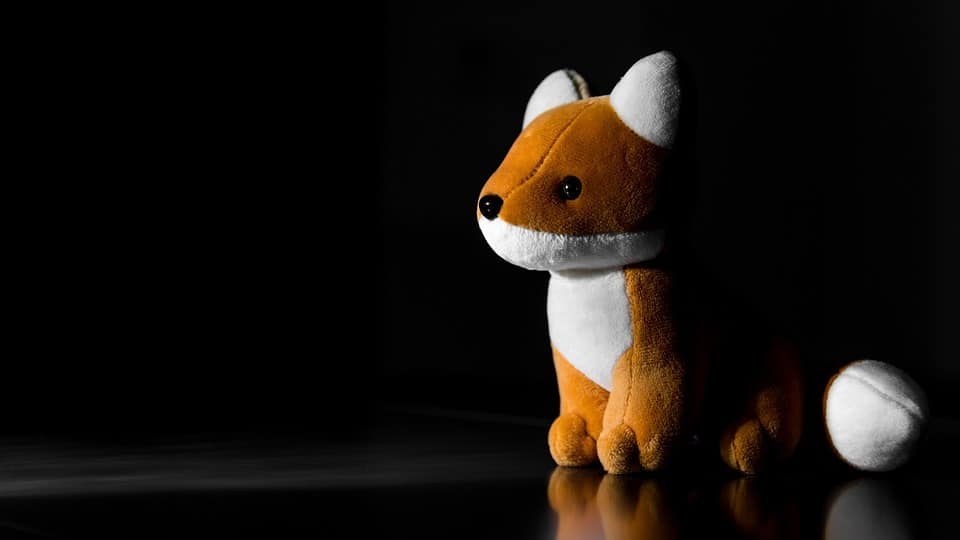
Toy Fox Terriers: The Joyful Companions You Didn’t Know You Needed
Toy Fox Terriers (TFTs) are a breed that brings unparalleled joy, loyalty, and companionship. Known for their lively spirit and affectionate nature, these small dogs are excellent choices for various households. This article will comprehensively explore this lovable breed, their needs, benefits as emotional support animals, and tips on how to care for them.
Overview of the Toy Fox Terrier
History
The Toy Fox Terrier was developed in the United States in the 20th century. The breed is believed to be a cross between the Smooth Fox Terrier and various toy breeds, including the Chihuahua and the Miniature Pinscher. These dogs were initially bred for their ratting abilities on farms but soon evolved into family companions, showcasing their intelligence, energy, and affectionate personalities.
Temperament
What makes the Toy Fox Terrier stand out is its cheerful and playful demeanor. They are known to be spirited yet balanced, making them suitable for families, singles, and seniors alike. Their temperament is friendly and intelligent, but they can also be a bit stubborn. Socialization from a young age is vital to temper their spirited nature.
Personality Traits
Toy Fox Terriers are:
- Playful: They require plenty of playtime and engage well in both physical and mental activities.
- Affectionate: These dogs thrive on attention and enjoy being around their human companions.
- Curious: Their inquisitive nature means they love exploring new environments.
- Alert: They are natural watchdogs, often barking to alert their owners of any unfamiliar visitors.
Grooming Needs
Caring for a TFT is relatively simple. Their short coat requires minimal grooming, making them low-maintenance. Regular brushing helps remove loose hairs and keeps their coat healthy. Bathing is necessary only when they get dirty or every few months. Their nails should be trimmed regularly, and dental care is essential for maintaining dental health.
Health Considerations
Like all breeds, Toy Fox Terriers can face certain health issues. They can be susceptible to conditions such as patellar luxation (kneecap dislocation) and dental problems. Regular vet check-ups and maintaining a balanced diet can help mitigate many health issues.
Suitability for Households
TFTs adapt well to various living situations. They are suitable for both apartments and houses, provided they receive enough exercise and social interaction. Their small size allows them to fit comfortably into any living space. Families with children, singles looking for companionship, or seniors in need of a loving pet will find TFTs to be ideal partners.
Training and Socializing Tips
Training a Toy Fox Terrier requires consistent and positive reinforcement. Here are some tips to ensure effective training:
- Start Early: Begin training as soon as you bring your TFT home. Early socialization is crucial for a well-adjusted dog.
- Use Positive Reinforcement: Reward good behavior with treats and praises. This encourages the dog to repeat the desired actions.
- Be Consistent: Consistency in commands and rules helps your dog learn faster.
- Keep Sessions Short: TFTs, being energetic, might lose focus in extended sessions. Short, fun training sessions work best.
Socialization is equally important. Expose your TFT to different environments, people, and pets. Regular outings to dog parks or pet-friendly events can enhance their confidence and sociability.
Emotional Support Animals Explained
An emotional support animal (ESA) is a pet designed to provide comfort and emotional support to individuals with mental health issues or emotional challenges. Unlike service animals, ESAs do not need special training to perform specific tasks but offer companionship, reducing feelings of anxiety, depression, and loneliness.
Benefits of Designating a Pet as an ESA
Designating a pet as an ESA allows individuals to enjoy specific legal protections under the Fair Housing Act and the Air Carrier Access Act. This designation permits individuals to have their pets in housing that may otherwise restrict pets and travel with their pets at no extra charge.
Mental and Emotional Health Benefits
The companionship of pets can significantly improve mental health by:
- Reducing Anxiety: Many people report feeling calmer and less anxious when spending time with their pets.
- Providing Unconditional Love: The bond between a person and their pet offers deep emotional support, which can help alleviate feelings of loneliness.
- Encouraging Physical Activity: Taking a dog for walks not only benefits the pet’s health but also encourages owners to engage in physical activities, boosting mood and overall well-being.
Real-Life Examples
Consider Sarah, who struggled with anxiety. After adopting a Toy Fox Terrier, she found that her dog provided her with a sense of security and comfort during anxious moments. The daily routine of walks and playtime helped distract her from anxious thoughts, improving her mental well-being.
Key Information
- Breed Overview: Toy Fox Terriers are small, playful dogs that thrive in various households.
- Size: Weighing around 4-9 pounds and standing about 8.5-11.5 inches tall.
- Grooming: Minimal grooming needs due to their short coat; regular brushing and dental care are important.
- Health Concerns: Watch for patellar luxation and dental issues.
- Trainability: Requires early socialization and positive reinforcement.
- Emotional Benefits: Providing companionship and comfort, reducing anxiety, and improving overall well-being.
How Dogs and Cats Provide Emotional Support
Research shows that interactions with pets can stimulate the release of hormones such as oxytocin, which is known to promote bonding and feelings of happiness. Petting a dog or cat can lower cortisol levels, helping reduce stress.
The mere presence of a pet can distract from negative thoughts, promoting mental resilience. Pets encourage routines, offering stability to their owners, making them not just companions but integral parts of their emotional health.
FAQ About Emotional Support Animals
-
What qualifies a pet as an ESA?
- To be recognized as an ESA, your pet must provide you with emotional support, alleviating chronic stress or anxiety.
-
Can any pet be an ESA?
- Yes, any domesticated animal can be considered an ESA, but dogs and cats are the most common.
-
Do ESAs require special training?
- Unlike service animals, ESAs do not need formal training but must be well-behaved in public settings.
-
Can my landlord refuse my ESA?
- Under the Fair Housing Act, landlords cannot refuse reasonable accommodation for ESAs, though documentation may be required.
-
How can I get my pet certified as an ESA?
- You can obtain ESA documentation through licensed mental health professionals or organizations like Veripaw.
Conclusion
If you’re considering adding joy, love, and emotional support to your life, a Toy Fox Terrier could be the perfect companion. Their vibrant personality and adaptability make them excellent pets for nearly everyone. For those needing additional support, getting your dog or cat certified as an Emotional Support Animal can significantly enhance your mental well-being.
For trusted resources to connect with licensed mental health professionals and obtain ESA documentation, visit Veripaw.org. Since 2012, Veripaw has been helping pet owners like you find the support you need, along with access to high-quality pet accessories. Embrace the joy of companionship and emotional support that Toy Fox Terriers and other pets can bring into your life!

