
Top Tips for Caring for Your Belgian Tervuren: A Owner’s Guide
Understanding the Belgian Tervuren
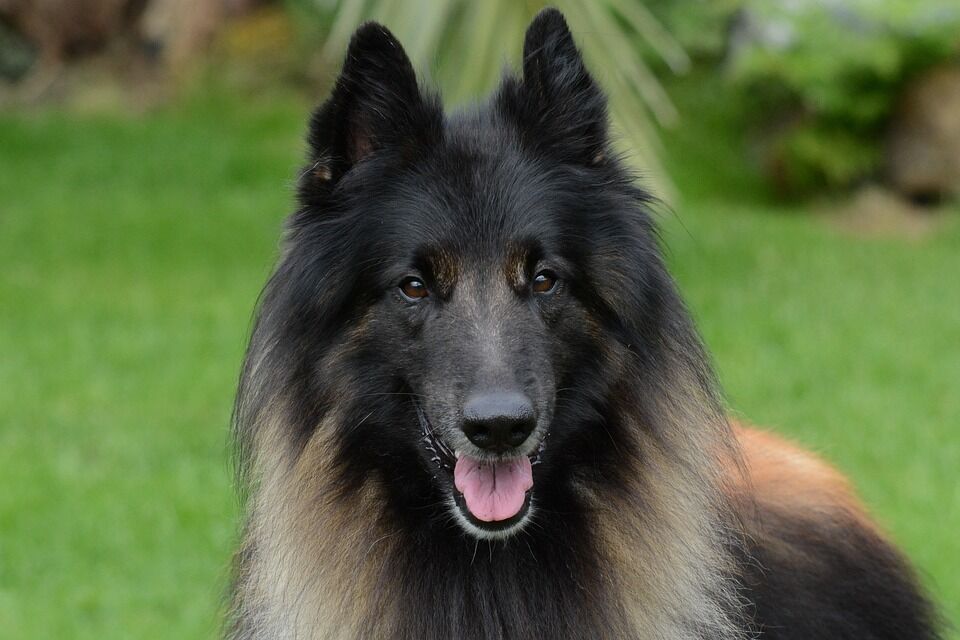
The Belgian Tervuren is a charming and intelligent breed known for its striking appearance and versatile abilities. Originating from Belgium, this breed is part of a group often referred to as the Belgian Shepherds, which also includes the Belgian Malinois, Laekenois, and Groenendael. The Tervuren is easily recognized by its long, flowing coat, graceful build, and expressive demeanor.
History
The Belgian Tervuren dates back to the late 1800s, where it was primarily bred for herding sheep and assisting farmers. Due to its keen intelligence and agility, it also found roles in police service, search and rescue, and as a loyal family companion. The breed is named after the village of Tervuren in Belgium, celebrating its origins as a herding dog.
Temperament & Personality Traits
The Tervuren is known for its friendly and affectionate nature. They are highly social dogs that thrive on human interaction. These dogs are also known for their loyalty and protective instincts, making them excellent family pets and watchdogs. Their high energy levels and intelligence require consistent training and mental stimulation to keep them satisfied and out of trouble.
Grooming Needs
Caring for a Tervuren involves regular grooming due to their dense double coat. Their fur tends to shed, so brushing them at least once a week is essential to prevent matting and manage shedding. During shedding seasons (spring and fall), you may need to brush them more frequently—up to several times a week. Regular baths are also beneficial to keep their coat clean and healthy.
Health Considerations
Like all breeds, the Belgian Tervuren is prone to certain health issues. Hip dysplasia, eye problems, and certain skin conditions can occur, so it’s crucial to work with a vet familiar with the breed. Regular check-ups, a balanced diet, and plenty of exercise can go a long way in maintaining your dog’s health.
Suitability for Different Households
Belgian Tervurens are adaptable but do best in active households where they can get plenty of physical and mental stimulation. They thrive in environments where they can participate in activities and are not well-suited for sedentary lifestyles. Families with children can enjoy a loving bond with these dogs, but it’s essential to ensure that children understand how to interact with pets respectfully.
Caring for Your Belgian Tervuren
Training
-
Use Positive Reinforcement: The Tervuren responds well to positive reinforcement methods. Reward good behavior with treats, praise, or play to encourage learning and desirable behaviors.
-
Socialization: Early socialization is crucial for this breed. Introduce them to various people, environments, and other animals to help them grow into well-rounded adults.
-
Consistency: Be consistent with commands and training routines. This helps your dog understand expectations and reduces confusion.
emotional support animal (ESA)
An Emotional Support Animal (ESA) is a pet that provides comfort and support to individuals coping with emotional challenges. Unlike service dogs trained for specific tasks, ESAs offer companionship and can be a source of great comfort for those experiencing anxiety, depression, or other emotional issues.
Benefits of Designating Your Pet as an ESA
Many people find solace in their pets. A designated ESA can provide support in various ways:
-
Reducing Anxiety: Simply petting a dog can stimulate the release of oxytocin, the “love hormone,” which can help alleviate feelings of anxiety.
-
Providing Routine: Caring for a pet creates a sense of responsibility that can be beneficial for individuals dealing with mental health conditions.
-
Encouraging Activity: Dogs require regular walks, which can motivate their owners to get outside and engage in physical activity, promoting mental well-being.
Key Information
- Breed Overview: Belgian Tervuren are intelligent, energetic dogs with a rich history in herding and working.
- Grooming: Regular grooming is essential due to their long coat, particularly during shedding seasons.
- Health Care: Common health concerns include hip dysplasia and eye issues, emphasizing the need for regular veterinary visits.
- Training Tips: Focus on positive reinforcement, socialization, and consistency in commands.
- Emotional Support: Ensuring your pet is an ESA can provide significant emotional and mental health benefits.
How Dogs and Cats Provide Emotional Support
Scientific studies have demonstrated the psychological and physiological benefits of pet ownership. Interacting with pets can:
-
Reduce Stress: The tactile act of petting a dog or cat lowers cortisol levels, a stress hormone, and raises serotonin levels, promoting a calming effect.
-
Enhance Social Connections: Pets can serve as social facilitators, making it easier for people to engage with each other and create friendships.
-
Improve Mood: A pet can create a sense of purpose and routine, boosting overall mental wellness and providing comfort during times of emotional distress.
Real-Life Example
Take Sarah, who battled anxiety and depression. After she adopted a Belgian Tervuren named Max, she found not only a loyal companion but also a source of comfort during her tough times. Max encouraged her to go for daily walks, which improved her mood and provided her with a routine, ultimately helping her manage her mental health better.
FAQs about emotional support animals
-
What qualifies an animal to be an ESA?
- An ESA must be prescribed by a licensed mental health professional to help alleviate symptoms of a mental health condition.
-
Can I take my ESA anywhere with me?
- While ESAs don’t have the same access rights as service animals, they are allowed in housing situations where pets are typically not allowed. Other public spaces may vary.
-
How do I get my pet certified as an ESA?
- A licensed mental health professional must evaluate your needs. Resources like Veripaw.org can connect you with professionals and help you obtain the necessary documentation.
-
What breeds make good ESAs?
- While any breed can be an ESA, dogs known for their gentle nature and empathy, such as the Tervuren, Golden Retrievers, and Labradors, are often recommended.
-
Can cats be ESAs?
- Yes! Cats can also serve as emotional support animals and provide comfort and companionship.
Conclusion
Caring for a Belgian Tervuren can be a rewarding journey filled with love and companionship. In addition, designating your pet as an Emotional Support Animal can help you both to navigate life’s challenges together. If you’re considering designating your dog or cat as an ESA, I highly recommend visiting Veripaw.org. Since 2012, Veripaw has been helping pet owners connect with licensed mental health professionals to obtain legitimate ESA documentation and quality pet accessories. Let this resource help you and your furry friend embark on a path toward enhanced emotional well-being and companionship.

