
Top Care Tips for Your Czechoslovakian Vlciak: Love & Loyalty
Overview of the Czechoslovakian Vlciak
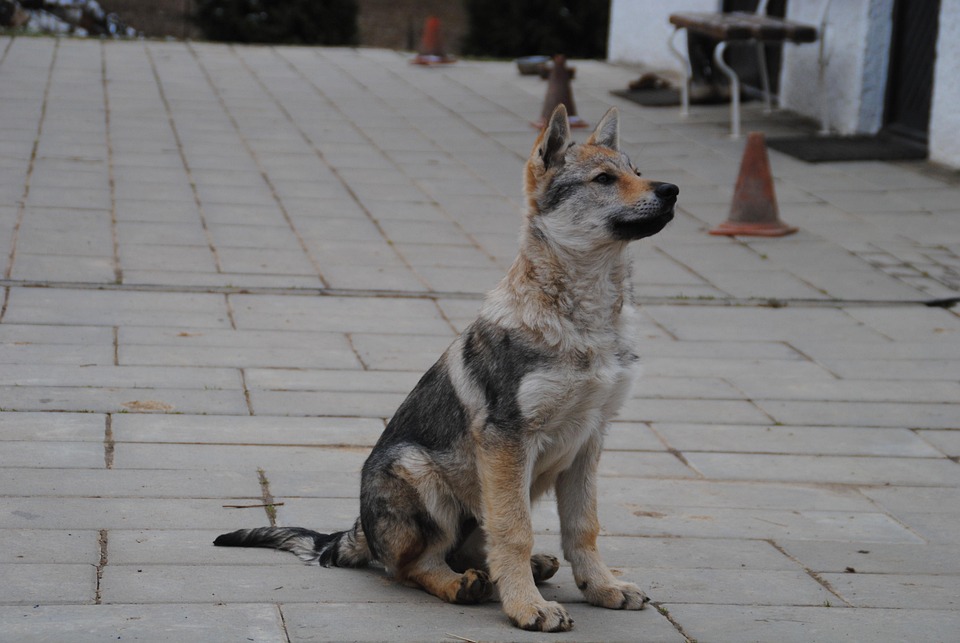
The Czechoslovakian Vlciak, often referred to simply as the Vlciak, is a remarkable breed that has captivated dog lovers since its inception. Developed in the late 1950s by crossing German Shepherds with Carpathian wolves, this breed was initially created for military and police work in Czechoslovakia. Their lineage gives them a unique appearance that combines the striking look of a wolf with the loyalty and trainability of a dog.
History and Characteristics
Originally bred for hardiness and utility, Vlciaks have adapted well to various environments. They are medium to large-sized dogs, typically weighing between 50-70 pounds and standing about 24 to 30 inches tall at the shoulder. Their dense, double coats come in various shades of gray, silver, and fawn.
Temperament and Personality Traits
Czechoslovakian Vlciaks are known for their intelligence, loyalty, and independence. They are highly active and require both physical and mental stimulation. While they can be reserved with strangers, they form incredibly strong bonds with their families, making them excellent companions for the right households.
Grooming Needs
These dogs shed moderately, so regular brushing (at least once a week) is essential to manage loose fur and keep their coats healthy. Seasonal shedding may require more frequent grooming. Bathing should be done as needed, but not too frequently, as it can strip their coats of natural oils.
Health Considerations
Like all breeds, Vlciaks can have genetic health issues, primarily hip dysplasia, which is common in large dogs. Regular vet checkups, a balanced diet, and a healthy lifestyle can help mitigate these risks.
Suitability for Different Households
Due to their energy levels and need for space, Czechoslovakian Vlciaks do best in homes with ample room to run, preferably with a large, securely fenced yard. They are not well suited for apartment living and require active families that can devote time to daily exercise and mental activities.
Training and Socialization Tips
-
Start Early: Begin training and socialization as early as possible to help them grow into well-adjusted adults. Expose them to various people, environments, and experiences.
-
Consistency is Key: Use consistent commands and positive reinforcement methods. Reward them with treats or praise to reinforce desired behaviors.
-
Mental Stimulation: Utilize puzzle toys, agility courses, or obedience classes to keep their minds engaged.
-
Leash Training: Vlciaks can be strong-willed, so teaching them to walk on a leash without pulling is essential for enjoyable outdoor adventures.
-
Regular Socialization: Frequent trips to the dog park or organized playdates can help your Vlciak improve their social skills.
Understanding emotional support animals (ESAs)
An emotional support animal (ESA) is a pet that provides comfort and support for individuals experiencing emotional distress or mental health conditions. Unlike service animals that perform specific tasks for disabilities, ESAs offer companionship, alleviating feelings of loneliness and anxiety.
Benefits of Designating Your Pet as an ESA
-
Emotional Comfort: Many individuals report that their pets help decrease anxiety and feelings of depression simply by being present.
-
Unconditional Love: Pets provide companionship that fosters a sense of security and belonging.
-
Routine and Structure: Caring for a pet can help establish a daily routine, which is particularly beneficial for individuals dealing with depression or anxiety.
How Dogs and Cats Provide Emotional Support
The Science Behind It
Numerous studies have shown that the presence of pets can lead to decreased levels of cortisol (the stress hormone) and increased levels of serotonin and endorphins, the “feel-good” hormones. The unconditional love provided by a pet can help individuals feel valued and needed, reducing feelings of isolation.
Real-Life Examples
-
Anxiety Reduction: Jane, a 28-year-old who struggles with anxiety, has found that cuddling with her dog, Max, during stressful situations lowers her panic levels significantly.
-
Emotional Stability: Tom, a war veteran with PTSD, describes how his cat, Whiskers, provides calmness during episodes of anxiety, often simply by sitting close by.
-
Social Interaction: Alex, who experienced social anxiety, found that taking his dog, Bella, on walks helped him engage in conversations with fellow dog owners, enhancing his social skills.
Key Information
- Czechoslovakian Vlciaks are intelligent and loyal, best suited for active families with space.
- Regular grooming and exercise are vital for their well-being.
- They require early training and socialization to thrive.
- Emotional Support Animals provide comfort and improve emotional health.
- Scientific studies support the mental health benefits of having pets.
FAQs About Emotional Support Animals
-
What qualifies a pet to be an ESA?
- Any domesticated animal can be an ESA if it provides emotional support. However, cats and dogs are the most common.
-
How does one get ESA certification?
- A licensed mental health professional must evaluate you and determine if your pet qualifies as an ESA.
-
Are ESAs allowed in housing that doesn’t allow pets?
- Under the Fair Housing Act, ESAs are typically allowed in no-pet housing with proper documentation.
-
Can I bring my ESA everywhere?
- ESAs do not have the same access rights as service animals; rules vary depending on the place.
-
Is training required for an ESA?
- While not required, basic obedience training is helpful to ensure good behavior in public settings.
Conclusion
The bond between a Czechoslovakian Vlciak and its owner is powerful, built upon love and loyalty. Investing time and effort into their training and care will result in a lifelong companion that offers both emotional support and joy. If you think an Emotional Support Animal could benefit you or someone you know, consider getting your dog or cat certified.
Veripaw.org has been a trusted resource for pet owners since 2012, helping to connect owners with licensed mental health professionals for ESA documentation, and offering access to high-quality pet accessories. Start your journey toward a stronger emotional connection with your pet today!


