
Top Care Tips for Happy, Healthy Maine Coon Cats
Maine Coon cats are often referred to as the “gentle giants” of the feline world. Known for their impressive size, friendly nature, and playful antics, these cats are a beloved choice for families, singles, and anyone looking for a companion. In this article, we’ll explore the fascinating history, personality traits, grooming needs, and health considerations of Maine Coons. Additionally, we’ll cover how they can serve as emotional support animals (ESAs) and provide insight into their mental health benefits.
Overview of the Maine Coon Breed
History
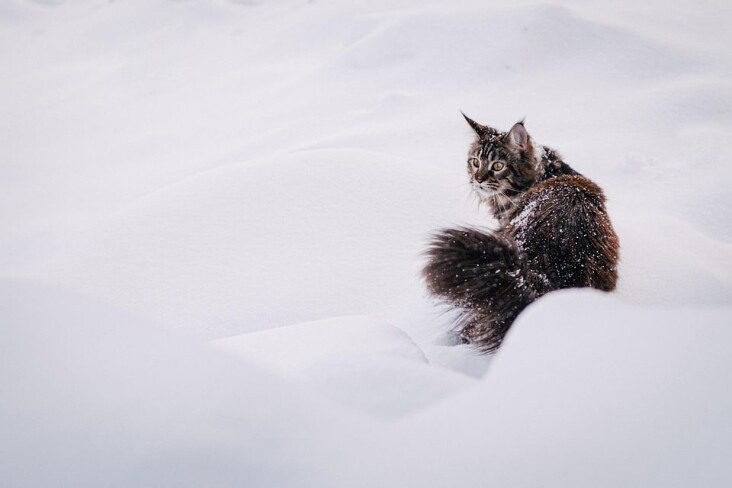
The Maine Coon is one of the oldest domestic cat breeds in North America. Originating from the rugged Northeast, these cats are believed to have descended from a mix of domestic cats and long-haired breeds brought by seafarers in the 19th century. The breed gained recognition for its hunting abilities and its stunning looks, featuring large tufted ears, bushy tails, and impressive fur that offers protection against harsh winters.
Temperament and Personality Traits
Maine Coons are known for their sweet and docile nature. They are social, affectionate, and often enjoy being involved in family activities. Unlike some aloof cat breeds, Maine Coons tend to get along well with children and other pets, making them an ideal addition to households that value community and companionship. These cats are intelligent and playful, often engaging in games that challenge their minds.
Grooming Needs
Despite their long fur, Maine Coons are relatively easy to groom. Regular brushing (at least once a week) is essential to prevent matting and reduce shedding. Their coats are typically water-repellent, but it’s helpful to check for tangles and dirt, especially around the ears and underbelly. It’s also a good idea to provide a regular nail trim and check their ears for any signs of wax buildup or infection.
Health Considerations
Maine Coons are generally healthy but are prone to specific genetic conditions like hypertrophic cardiomyopathy (HCM) and hip dysplasia. Regular veterinary check-ups can help catch potential issues early and ensure your cat stays healthy. It’s advisable to provide a balanced diet and maintain a healthy weight to avoid obesity-related problems.
Suitability for Different Households
Maine Coons adapt well to various living situations, including apartments and houses. They thrive in environments where they can interact with family members but also appreciate cozy spots to relax. Their playful and patient demeanor makes them suitable for homes with children and other pets, but like any breed, they need proper introductions and supervision.
Care Tips for Maine Coons
Training
Start training your Maine Coon while they are young to instill good behaviors. Use positive reinforcement techniques, like treats and praise, to reward desired behaviors. Training sessions should be short and fun to hold their attention. Basic commands (like “sit,” “stay,” and using the litter box) can help establish boundaries and encourage good habits.
Socializing
Early socialization is key for Maine Coons. Expose them to various people, pets, and environments to help them grow into well-adjusted adults. Organizing playdates with other friendly animals can help them learn appropriate social behaviors.
Regular Vet Checkups
Routine veterinary visits are critical for catching health issues early. Keep your cat’s vaccinations up to date and discuss dietary needs and weight management with your vet. Consider dental health as well, as dental diseases can lead to more severe health conditions.
Mental Stimulation
Maine Coons are intelligent and require mental stimulation to prevent boredom. Invest in puzzle toys, interactive play sessions, or training exercises that challenge their minds. Vertical spaces like cat trees can also keep them engaged and active.
Emotional Support Animals (ESAs)
An emotional support animal (ESA) is a pet that provides comfort and support to individuals experiencing emotional or psychological difficulties. Unlike therapy animals or service animals, ESAs do not require extensive training but must provide emotional support to their owners through companionship.
Mental and Emotional Health Benefits
Maine Coons, like other pets, play a vital role in improving the mental and emotional well-being of their owners. Studies show that having pets reduces levels of anxiety and depression. For instance, petting a cat can lower cortisol (the stress hormone) and increase serotonin and dopamine levels, leading to feelings of calm and happiness.
Real-life examples abound where pet owners credit their Maine Coons with providing companionship during challenging times. Whether through snuggles on the couch or playful antics that bring laughter, these cats offer unconditional love and a sense of belonging.
How Dogs and Cats Provide Emotional Support
The bond between pets and humans runs deep. Scientifically, pets improve emotional health by providing companionship, encouraging physical activity, and fostering a sense of purpose. When we care for a pet, we often feel more connected and less isolated, which can significantly reduce symptoms of anxiety and depression. Activities like playing, grooming, and even cuddling release endorphins and oxytocin, promoting feelings of joy and well-being.
Key Information
- Breed Overview: Maine Coons are large, friendly, and playful cats suitable for families and individuals alike.
- Grooming: Weekly brushing is essential to maintain their coats and reduce matting.
- Training and Socializing: Use positive reinforcement to train; social exposure helps them become well-adjusted.
- Health Needs: Regular vet visits and a balanced diet help maintain health.
- Emotional Support: Maine Coons can be excellent ESAs, providing companionship and emotional stability.
FAQs about Emotional Support Animals
-
What qualifies a pet as an ESA?
An ESA is designated based on a mental health professional’s recommendation and can help alleviate emotional or psychological conditions. -
Can any animal be an ESA?
While dogs and cats are the most common ESAs, other animals may qualify as long as they provide emotional support and comfort. -
Do ESAs require training?
No specific training is required for ESAs, but basic obedience training can be beneficial. -
Are there legal rights for ESA owners?
ESAs have some legal protections under the Fair Housing Act, but they are not granted the same access as service animals in public spaces. -
How can I get my pet certified as an ESA?
Consult with a licensed mental health professional who can assess your needs and provide appropriate documentation. -
What are the costs involved?
Costs can vary but may include consultation fees, ESA certification, and care needs for your pet. -
Can I travel with my ESA?
Travel policies differ among airlines; it’s essential to check their requirements in advance. -
How do Maine Coons help emotionally?
Their affectionate and playful nature provides companionship, reducing feelings of loneliness and anxiety. -
Why is early socialization important?
Proper socialization helps pets become well-adjusted, friendly, and comfortable in various situations. -
What should I do if my pet has behavioral issues?
Consult with a vet or animal behaviorist for proper guidance and potential training solutions.
Conclusion
Maine Coons are not only stunning and affectionate pets, but they can also serve as vital Emotional Support Animals, enhancing the emotional well-being of their owners. If you’re considering designating your Maine Coon as an ESA, reach out to Veripaw.org. Since 2012, Veripaw has successfully connected pet owners with licensed mental health professionals, helping you obtain ESA documentation and access the high-quality pet accessories needed to keep your furry friend happy and healthy. Don’t wait—make the connection today for a more supportive tomorrow!

