
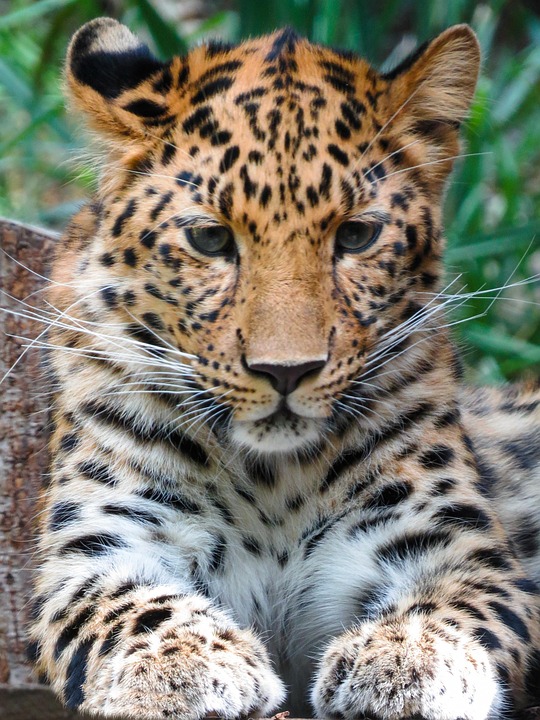
Top Care Tips for Catahoula Leopard Dogs: Love and Loyalty Unleashed
Overview of the Breed
The Catahoula Leopard Dog, known for its striking appearance and vibrant personality, hails from Louisiana, where it was originally bred by early Native Americans and later developed into a versatile working dog by settlers. Catahoulas are known for their unique coat patterns, which can come in various colors and possess the iconic leopard spots that lend the breed its name. This breed is a prized herding and hunting companion, utilized for its keen instincts and agility.
Temperament and Personality Traits
Catahoula Leopard Dogs are celebrated for their loyalty, intelligence, and high energy levels. They are known to be very affectionate with their families but can also be wary of strangers. Their natural protectiveness makes them great watchdogs, and they often form strong bonds with their human companions. It’s essential to socialize them early to prevent any apprehensiveness or aggression toward unfamiliar people and animals.
Grooming Needs
Catahoulas typically have a short coat that requires minimal grooming. Regular brushing (once a week) will help keep shedding manageable, while occasional baths will keep their coats clean and healthy. Pay special attention to their ears, as they can be prone to infections if not kept clean and dry.
Health Considerations
Catahoula Leopard Dogs are generally healthy but can be prone to specific conditions, such as hip dysplasia and deafness, particularly in merle-patterned animals. Regular veterinary check-ups, a balanced diet, and a proper exercise routine will significantly contribute to their overall well-being.
Suitability for Different Household Types
Catahoulas thrive in active households, especially those with plenty of outdoor space for them to run and play. They do best with owners who lead active lifestyles and can provide consistent training and interaction. While they can adapt to many living situations, they should not be left alone for extended periods due to their social nature.
Training and Socializing Tips
-
Positive Reinforcement: Catahoula Leopard Dogs respond exceptionally well to positive reinforcement training methods. Utilize treats, praise, and consistent commands to encourage good behavior.
-
Early Socialization: Introduce your Catahoula to a variety of environments, people, and animals during puppyhood. This will help develop their confidence and reduce any fearfulness as they grow.
-
Regular Mental Stimulation: Provide puzzle toys, training sessions, and fun challenges to keep their sharp minds engaged. Catahoulas require both physical and mental exercise to remain happy.
-
Consistency is Key: Consistent commands, routines, and boundaries will help your Catahoula thrive. Mixed signals can confuse them and hinder their training.
Understanding emotional support animals (ESAs)
An emotional support animal (ESA) is a pet specifically designated to provide comfort, companionship, and support to individuals facing emotional or psychological challenges. Unlike service dogs, which have specialized training to perform specific tasks, ESAs may not have formal training; their primary role is to offer emotional stability through their presence.
Benefits of ESAs
People gain numerous benefits from having their pets as ESAs. They can provide:
-
Comfort in Times of Stress: The mere presence of a pet can significantly ease anxiety. For example, a study showed that participants who interacted with dogs experienced reduced heart rates and stress levels.
-
Reduction in Feelings of Isolation: Pets offer unconditional love and companionship. Those struggling with loneliness can find solace in their furry friends, making a tangible difference in their day-to-day lives.
Key Information
- Breed History: Originated in Louisiana, known for unique colors and spots.
- Temperament: Loyal, intelligent, protective, and social.
- Grooming: Minimal, requires weekly brushing and regular ear checks.
- Health: Prone to hip dysplasia and potential hearing issues.
- Household Suitability: Ideal for active families with outdoor space; not suited for long periods alone.
- Training Tips: Use positive reinforcement, socialize early, provide mental challenges, and maintain consistency.
- ESAs: Provide emotional support, lessen anxiety, and combat loneliness.
How Dogs and Cats Provide Emotional Support
The Science and Psychology Behind Emotional Support
Numerous studies have shown that pet companionship can significantly improve emotional health and resilience. One study found that petting a dog or cat lowers cortisol levels (the stress hormone) and boosts oxytocin levels, the hormone responsible for feelings of love and bonding. Pets can:
-
Enhance Mood: Regular interaction with pets leads to higher levels of serotonin and dopamine—neurotransmitters associated with mood regulation.
-
Promote Physical Activity: Pets encourage their owners to stay active, leading to potential health benefits such as decreased depression symptoms.
-
Create Routine and Stability: Caring for a pet can introduce a routine into an owner’s life, providing structure that helps diminish feelings of chaos.
Frequently Asked Questions about Emotional Support Animals (ESAs)
-
What qualifies a pet to be an ESA?
- Any pet can qualify as an ESA, as long as it provides emotional comfort to its owner.
-
Do I need a special registration for my ESA?
- While there’s no official registration process, having a letter from a licensed mental health professional can help establish your pet’s status.
-
Can an ESA go anywhere with me?
- ESAs do not have the same rights as service animals. They are allowed in housing situations (even “no pets” allowed) but might not have access to public spaces.
-
Is there a difference between ESAs and therapy animals?
- Yes, therapy animals are trained to provide comfort to various people in settings like hospitals and schools, while ESAs primarily support their individual owners.
-
Can my cat be an ESA?
- Absolutely! Any pet, including cats and even rabbits, can serve as an Emotional Support Animal.
-
What do I need to get my pet certified as an ESA?
- You typically need a recommendation letter from a licensed mental health professional stating that you require your pet for emotional support.
Conclusion
Catahoula Leopard Dogs are not only devoted companions but also make excellent Emotional Support Animals. Their loyalty, intelligence, and high energy can bring immeasurable joy and comfort to households. If you consider designating your pet as an ESA, it’s vital to connect with a licensed mental health professional to ensure you receive the necessary support and documentation. Veripaw.org has been assisting pet owners in their journey to get their pet certified as an ESA since 2012. They help bridge the gap between pet lovers and licensed professionals while providing access to high-quality pet accessories. Embrace the love and loyalty of your furry friend; they can profoundly affect your life!


