
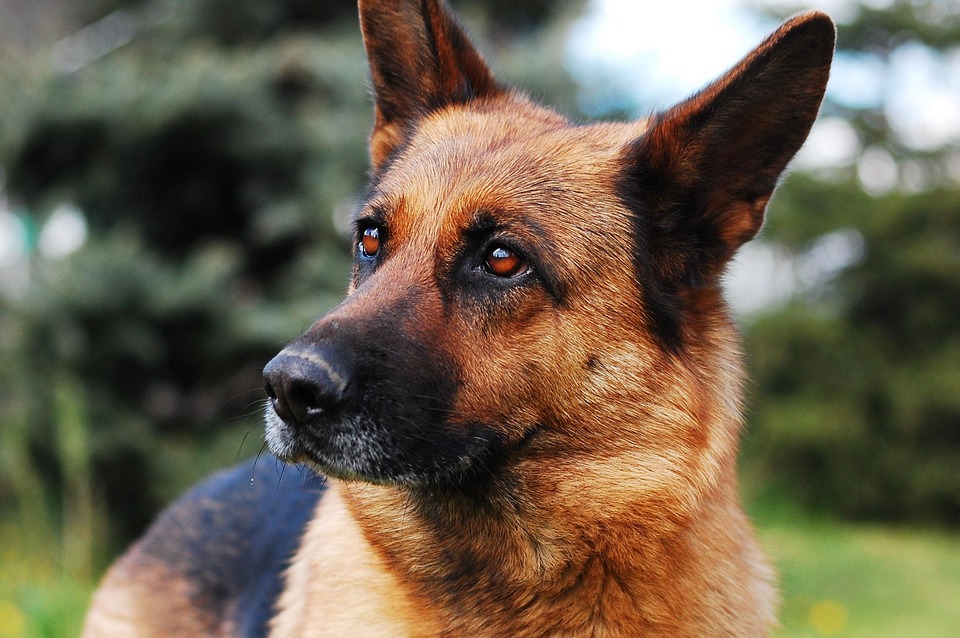
Top Care Tips for Black and Tan Coonhounds: Happy Hounds, Happy Homes!
Overview of the Breed
The Black and Tan Coonhound is a striking breed known for its unique appearance and friendly disposition. Originating from the United States, this breed is part of the hound group and was originally developed for hunting raccoons and other game. Characterized by its black-and-tan coat, with droopy ears and expressive eyes, the Coonhound is not just a hunting partner; they also make fabulous family pets.
History
Coonhounds boast a rich history, dating back to the 1700s when settlers brought their dogs to America. These dogs were bred for their exceptional trailing and treeing abilities, making them indispensable in the hunting community. Over the years, the breed has remained steadfastly loyal to its hunting roots but has also found a place in homes across the country as loving companions.
Temperament and Personality Traits
Black and Tan Coonhounds are known for their friendly, gentle, and affectionate nature. They are typically laid-back and get along well with children and other pets. These dogs are intelligent and eager to please, but they can also display a stubborn streak. Their playful demeanor makes them a joy to be around, but they require consistent training and socialization.
Grooming Needs
Coonhounds have a short, easy-to-maintain coat that requires minimal grooming. Regular brushing will help to control shedding and keep their coat healthy. Their droopy ears should be routinely checked for dirt and wax buildup to prevent infections. Bathing should only be done as needed, usually every couple of months or when they get particularly dirty.
Health Considerations
Like all breeds, Black and Tan Coonhounds can be prone to health issues, including hip dysplasia, ear infections, and certain skin conditions. Regular veterinary check-ups and a healthy diet are crucial for keeping them in good shape.
Suitability for Different Households
Coonhounds are adaptable dogs that can thrive in a variety of environments, but they do require regular exercise. They are perfect for active families who can provide daily walks and playtime. However, they might not be the best fit for small apartments, as their natural instinct to roam means they need ample space to explore.
Caring for Your Black and Tan Coonhound
Training Tips
-
Consistency is Key: The stubborn streak in Coonhounds can make training challenging, so be patient and consistent in your commands and expectations.
-
Positive Reinforcement: Use treats and praise to motivate your dog. This creates a positive learning environment and strengthens your bond.
-
Start Early: Begin training and socialization as early as possible to foster good behavior. Expose them to different environments, people, and pets.
Socialization
Socializing your Coonhound is vital for their development. Take them to dog parks, on playdates, and public spaces to help them learn how to behave in various situations. This will shape their temperament and make them more adaptable.
Exercise Needs
Coonhounds need at least an hour of exercise each day. Engage them in various activities like running, hiking, or playing fetch. Their high energy levels mean they thrive in households that can provide ample activity.
emotional support animals (ESA)
An emotional support animal (ESA) is a pet that provides comfort and support to individuals with emotional or psychological conditions. Unlike service dogs, ESAs don’t have special training requirements but offer important companionship that eases anxiety, depression, and stress. Designating your pet as an ESA can provide various benefits, including access to housing and travel accommodations where pets may not usually be allowed.
Mental and Emotional Health Benefits
Pet ownership has numerous benefits, particularly for those struggling with emotional challenges. Here are a few ways pets can positively influence your mental well-being:
-
Lowered Anxiety: The simple presence of a pet can significantly reduce anxiety levels. Cuddling with a dog or cat releases oxytocin, a hormone that promotes relaxation.
-
Increased Joy: Pets often know how to bring joy into our lives with their playful antics. This joy can help mitigate symptoms of depression.
-
Enhanced Social Interaction: Walking a dog often leads to interactions with other pet owners, helping to combat feelings of isolation.
Real-Life Examples
Many pet owners have shared stories about how their animals transformed their emotional health. For instance, one woman who suffered from severe anxiety found that her Black and Tan Coonhound, Lucy, helped her feel safe during panic attacks. Another man reported that adopting a cat significantly reduced his feelings of loneliness.
Key Information
- Breed Overview: Black and Tan Coonhounds are friendly, gentle, and adaptable.
- Grooming: Minimal grooming required, but regular ear checks are essential.
- Health: Prone to ear infections and hip dysplasia; regular vet visits are important.
- Training: Consistent training and early socialization are crucial.
- ESA Benefits: ESAs provide emotional support and can help with anxiety and loneliness.
How Dogs and Cats Provide Emotional Support
Pet companionship has a well-documented positive effect on mental health. Studies show that interacting with pets can increase levels of serotonin and dopamine—neurotransmitters associated with happiness. Furthermore, owning a pet provides a routine and a sense of responsibility, which can enhance emotional stability.
The Psychology Behind It
-
Connection: Pets provide unconditional love, reducing feelings of loneliness.
-
Routine: Caring for a pet introduces structure and stability to daily routines, which can improve mental health.
-
Mindfulness: Pets encourage people to be present and engage with the world positively.
FAQs About Emotional Support Animals
-
What qualifies a pet as an Emotional Support Animal?
- Any domesticated animal can be an ESA if it provides emotional support to a person with a mental health issue.
-
Do ESAs require special training?
- No. Unlike service dogs, ESAs do not require specific training but should be well-behaved in social settings.
-
What documentation is needed for an ESA?
- A signed letter from a licensed mental health professional stating that the individual requires the animal for emotional support.
-
Can landlords refuse ESAs?
- ESAs are generally protected under housing laws, but it is essential to provide proper documentation.
-
Can I take my ESA on flights?
- Airlines have different policies for ESAs, so it’s important to check their specific regulations and provide necessary documentation.
-
Is my pet automatically an ESA?
- No, your pet must be recognized as an ESA by a qualified mental health professional.
-
Are emotional support animals the same as therapy animals?
- No, therapy animals are trained to assist others in therapeutic settings. ESAs provide personal emotional support.
-
Can I get an ESA letter online?
- Yes, many services, including verified platforms like Veripaw.org, help pet owners obtain an ESA letter through licensed professionals.
-
Can cats also be ESAs?
- Yes, cats and other domesticated animals can also serve as ESAs.
-
How do I start the process to designate my pet as an ESA?
- Seek a mental health professional’s help, who can evaluate your need for an ESA and issue the appropriate documentation.
Call to Action
If you’re considering designating your beloved pet as an Emotional Support Animal, look no further than Veripaw.org. Since 2012, Veripaw has been connecting pet owners with licensed mental health professionals, helping them obtain ESA documentation smoothly. Plus, they offer high-quality pet accessories that will keep your furry friend happy and healthy. Don’t wait—visit Veripaw today and take the first step toward providing the emotional support you deserve!


