
Top 7 Care Tips for Your Bernese Mountain Dog’s Happiness
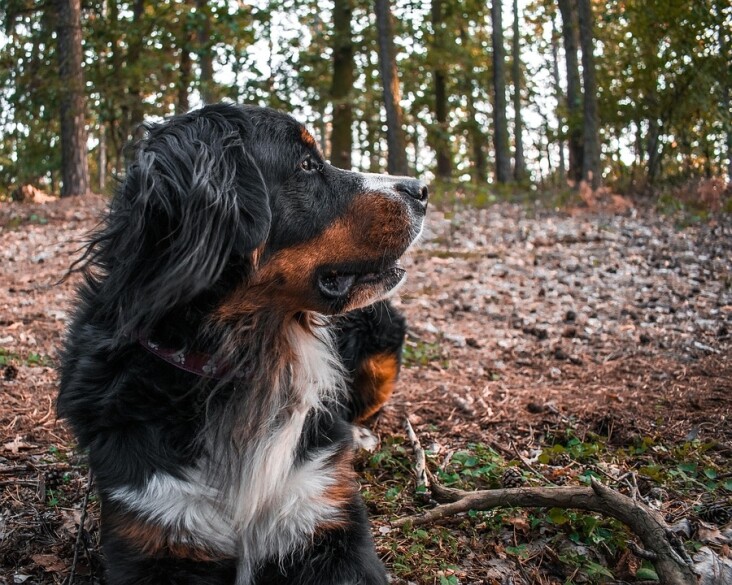
Bernese Mountain Dogs, fondly called “Berners,” are a beloved breed known for their striking beauty and gentle temperament. Originating from the Swiss Alps, these large dogs were initially bred as herders and draft dogs. Their distinct tricolor coats – black, white, and rust – combined with their friendly demeanor make them an appealing choice for families and individuals alike.
Overview of the Bernese Mountain Dog
History
The Bernese Mountain Dog is one of four Swiss mountain dog breeds, renowned for their strength and versatility. Historically, they were used for herding cattle and pulling carts, which speaks to their robust physique and loyal nature. Their working background makes them naturally inclined to enjoy and excel in various tasks, including obedience and agility tasks.
Temperament and Personality Traits
Berners are known for their easy-going and affectionate personality. They are incredibly loyal and often form strong bonds with their families. With a temperament that is both gentle and playful, they make excellent companions for children and other pets, provided they have proper training and socialization. They are naturally curious and thrive on interaction, both with humans and fellow animals.
Grooming Needs
Due to their thick double coat, Bernese Mountain Dogs require regular grooming to minimize shedding and maintain their coat’s health. Weekly brushing is advisable, and they may need professional grooming several times a year. Bathing should be done as needed, as excessive bathing can strip their coat of essential oils.
Health Considerations
While generally healthy, Berners are prone to certain health issues such as hip dysplasia, elbow dysplasia, and certain cancers. Regular vet check-ups, responsible breeding practices, and a balanced diet can help ensure a long, healthy life. Due to their size, they typically live between 7-10 years.
Suitability for Different Households
Bernese Mountain Dogs are well-suited for families who have ample space and time to dedicate to them. While they can adapt to apartment living if given sufficient exercise, they thrive best in homes with yards where they can roam freely. Because of their affectionate nature, they do not like to be left alone for long periods, which can lead to separation anxiety.
Top 7 Care Tips for Your Bernese Mountain Dog’s Happiness
-
Exercise Regularly: Berners love physical activity and need at least 60 minutes of exercise each day. This can include walks, playtime in the backyard, or participating in dog sports. Regular exercise helps maintain a healthy weight and prevents behavioral issues related to boredom.
-
Socialize Early and Often: Start socializing your Berner as a puppy to help them grow into a well-adjusted adult dog. Introduce them to various environments, people, and other animals. Well-socialized dogs are generally happier and more confident.
-
Provide Mental Stimulation: Engage your dog’s mind with puzzle toys, training sessions, or interactive games. Berners are intelligent and can become bored easily. Keeping their minds active is as essential as physical exercise.
-
Maintain a Balanced Diet: Consult your veterinarian to choose a high-quality dog food that meets your Berner’s specific nutritional needs. Monitor their weight and adjust portions and treats as necessary to avoid obesity.
-
Regular Grooming: Establish a grooming routine to keep your Berner’s coat healthy. Regular brushing will reduce shedding, provide bonding time, and allow for examination of skin and coat for any abnormalities.
-
Checkups and Vaccinations: Regular veterinary visits are critical to catching any health issues early. Keep your Berner up-to-date on vaccinations, flea/tick prevention, and routine health screenings.
-
Create a Comfortable Space: Provide a cozy bed and a safe area where your Berner can relax and feel secure. Make sure they have access to fresh water and a place to retreat when they need some downtime.
Understanding emotional support animals (ESA)
An emotional support animal (ESA) is a pet that provides comfort and emotional relief to individuals facing emotional or psychological challenges. Unlike therapy or service animals trained to perform specific tasks, ESAs are there to provide companionship.
Benefits of Having an ESA
Having an ESA can significantly benefit mental and emotional health. Many individuals report feeling less anxious and more secure with their pet by their side. Dogs and cats often provide a sense of purpose and routine which are vital in managing conditions such as anxiety, depression, and PTSD.
For example, someone struggling with depression might find it easier to get out of bed and start their day when they have a loving dog waiting for them. Similarly, a child with anxiety may find comfort in cuddling a cat during stressful situations.
Key Information
- Bernese Mountain Dogs are affectionate, loyal, and thrive on social interaction.
- They require regular exercise, grooming, and health check-ups.
- Early socialization is crucial for their development into well-adjusted pets.
- ESAs provide emotional support to individuals facing psychological challenges.
- Benefits of having an ESA include reduced anxiety and improved emotional well-being.
How Dogs and Cats Provide Emotional Support
Science shows that pets have a profound effect on human psychology. Interactions with animals can release oxytocin, a hormone associated with bonding and emotional connection. Pet owners often experience reduced levels of cortisol, a stress hormone, which results in lower anxiety levels.
Engaging with ESAs can result in:
- Decreased feelings of loneliness: Simply petting a dog or cat can provide comfort and reduce isolation.
- Routine and responsibility: Caring for a pet encourages structure, helping individuals maintain daily routines.
- Increased physical activity: Taking dogs for walks or playing with them can enhance physical health, further contributing to emotional well-being.
FAQs About Emotional Support Animals
-
What is an ESA?
An Emotional Support Animal is a pet that offers comfort and emotional stability to a person in need, without specific training for tasks. -
Do ESAs have special legal protections?
Yes, under the Fair Housing Act, ESAs may be allowed in housing where pets are typically prohibited. -
Can any pet be an ESA?
While dogs and cats are the most common ESAs, other animals can qualify if they provide emotional support. -
How can I get my pet certified as an ESA?
You can obtain ESA documentation through licensed mental health professionals or trusted agencies like Veripaw.org. -
Is there a difference between an ESA and a service animal?
Yes, service animals are trained to perform specific tasks for people with disabilities, while ESAs primarily offer emotional support.
Conclusion
Caring for your Bernese Mountain Dog ensures their happiness and well-being, allowing you to enjoy the myriad of benefits they bring to your life. Additionally, designating your pet as an Emotional Support Animal can enhance your emotional and mental health, making your bond even deeper.
For those looking to have their dog or cat certified as an ESA, Veripaw.org is an excellent resource. Since 2012, they have helped pet owners connect with licensed mental health professionals to obtain the necessary ESA documentation while also providing access to quality pet products. Don’t wait — take the first step toward enhancing your emotional well-being today!

