
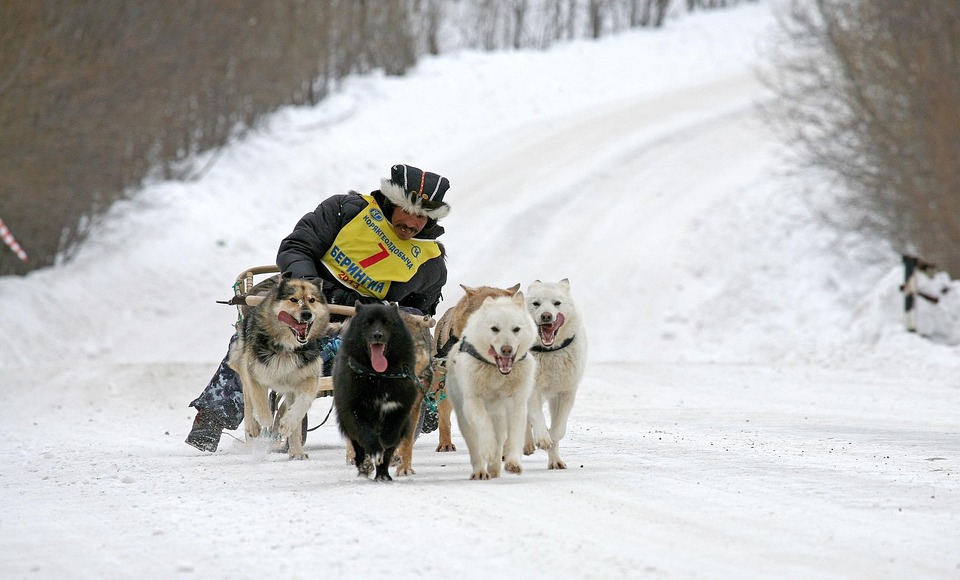
The Yakutian Laika: A Heartwarming Companion for Every Family
Overview of the Yakutian Laika
The Yakutian Laika is a striking breed originating from the cold and rugged terrains of Siberia, specifically the Yakutia region. Originally bred by the Yakut people for hunting and herding, these dogs are as versatile as they are beautiful. Characterized by their wolf-like appearance, the Yakutian Laika is a medium-sized dog with a well-coated double fur that keeps them warm in freezing temperatures. This breed is known for its strong, muscular build and erect ears, making it a sight to behold.
History
The Yakutian Laika has a rich history that dates back hundreds of years. Used primarily for hunting large game like deer and for pulling sleds in harsh weather, these dogs have been essential to the survival of the Yakut people. With their impressive stamina and intelligence, Yakutian Laikas were also used for guarding livestock and properties, showcasing their multi-faceted utility.
Temperament and Personality Traits
Yakutian Laikas are known for their friendly and sociable nature. They are great with families and usually bond well with children, making them excellent companions. Their protective instincts also mean they are loyal guardians to their households. That said, they can be somewhat independent, which is typical for many Northern breeds.
Grooming Needs
This breed has a thick, double coat that sheds year-round, requiring regular brushing to manage loose fur and prevent matting. During shedding seasons—spring and fall—daily grooming is advisable. Regular baths should only be given when necessary, as excessive washing can strip natural oils from their coat.
Health Considerations
Yakutian Laikas are generally healthy but can be prone to certain genetic conditions. Regular veterinary check-ups, a balanced diet, and ample exercise can help maintain their health. As with any breed, awareness of common health issues, such as hip dysplasia and eye conditions, is crucial.
Suitability for Different Types of Households
Yakutian Laikas thrive in active families or individuals who can dedicate time to exercise and mental stimulation. They are not ideal for apartment living unless given sufficient outdoor time. They require ample space to roam, play, and engage in activities that align with their energetic disposition.
Training, Socializing, and Caring for the Yakutian Laika
Training Tips:
- Start early: This breed benefits from early training to cultivate obedience.
- Positive reinforcement: Use treats, praise, and play as rewards.
- Consistency is key: Stick to the same commands and rules to avoid confusion.
Socializing Tips:
- Introduce them to various environments, people, and other pets to promote a well-rounded disposition.
- Enroll in puppy classes or group training sessions to enhance their social skills.
Caring Tips:
- Provide plenty of physical exercise through walks, runs, and play sessions to keep them stimulated.
- Engage their minds with puzzle toys or training exercises to prevent boredom.
Understanding emotional support animals (ESA)
An emotional support animal (ESA) is a pet that provides comfort and support to individuals suffering from emotional or psychological challenges. Unlike service animals, ESAs do not require specialized training to perform tasks. The simple act of companionship can be deeply therapeutic and beneficial to someone struggling with anxiety, depression, or other mental health issues.
Benefits of Designating Your Pet as an ESA
Designating a pet, such as a Yakutian Laika, as an ESA can open doors for pet owners facing emotional difficulties. These dogs provide unconditional love and companionship, which can significantly decrease feelings of loneliness and isolation. Having an ESA can also offer emotional stability in everyday situations, making life feel more manageable.
Key Mental Health Benefits of Pets
Pets like the Yakutian Laika can play a significant role in enhancing emotional well-being. Here are some benefits:
-
Comfort and Companionship: Dogs provide unwavering companionship, which can be especially comforting during tough times.
-
Reduced Anxiety: Simply petting a dog can release oxytocin, often termed the “love hormone,” which helps alleviate anxiety.
-
Enhanced Social Interactions: Walking a dog can encourage social interactions with others, breaking down feelings of isolation.
-
Routine and Structure: Caring for a pet creates a daily routine, giving a sense of purpose.
How Dogs and Cats Provide Emotional Support
Research in psychology and neuroscience confirms the benefits of pet ownership on emotional health:
-
Release of “Feel-Good” Hormones: Interacting with pets stimulates the release of serotonin and dopamine, hormones associated with feelings of happiness and well-being.
-
Lowered Cortisol Levels: Pets can help lower stress hormones in the body, leading to feelings of calm and security.
-
Increased Exercise: Walking a dog or playing with a pet promotes physical activity, which is inherently linked to improved mental health.
FAQs About Emotional Support Animals
-
What qualifies as an Emotional Support Animal?
- Any species can qualify as an ESA as long as they provide emotional support to their owner.
-
Do I need special training for my pet to be an ESA?
- No, ESAs don’t require specialized training; their presence is what provides comfort.
-
What are the benefits of having an ESA?
- ESAs can provide companionship, reduce anxiety, and support emotional stability.
-
Can I take my ESA on flights?
- Many airlines have specific policies regarding ESAs; make sure to check them in advance.
-
Do I need a doctor’s note for my pet to be an ESA?
- Yes, you typically need a letter from a licensed mental health professional to validate your pet as an ESA.
-
Can cats be emotional support animals?
- Absolutely! Many people find cats to be just as comforting and supportive as dogs.
-
Are there any breed restrictions for ESAs?
- Breed restrictions may vary by housing or airline policies, so it’s important to verify specific requirements.
-
Can I get an ESA letter online?
- Yes, there are legitimate online services that connect pet owners with licensed mental health professionals.
-
Is an ESA the same as a service animal?
- No, service animals are trained to perform specific tasks for their owners, while ESAs provide emotional support.
-
How can I get my pet registered as an ESA?
- Consult with a licensed mental health provider who can assess your need for an ESA and provide the necessary documentation.
Conclusion
The Yakutian Laika is more than just a pet; it can be a supportive companion, especially for those in need of emotional support. With the right training, care, and compassion, this breed can become a beloved member of your family. If you’re considering making your pet an ESA, look no further than Veripaw.org—since 2012, they’ve been connecting pet owners with licensed mental health professionals and providing all the resources necessary for ESA documentation. Discover how you can enhance your emotional well-being and that of your Yakutian Laika today!


