
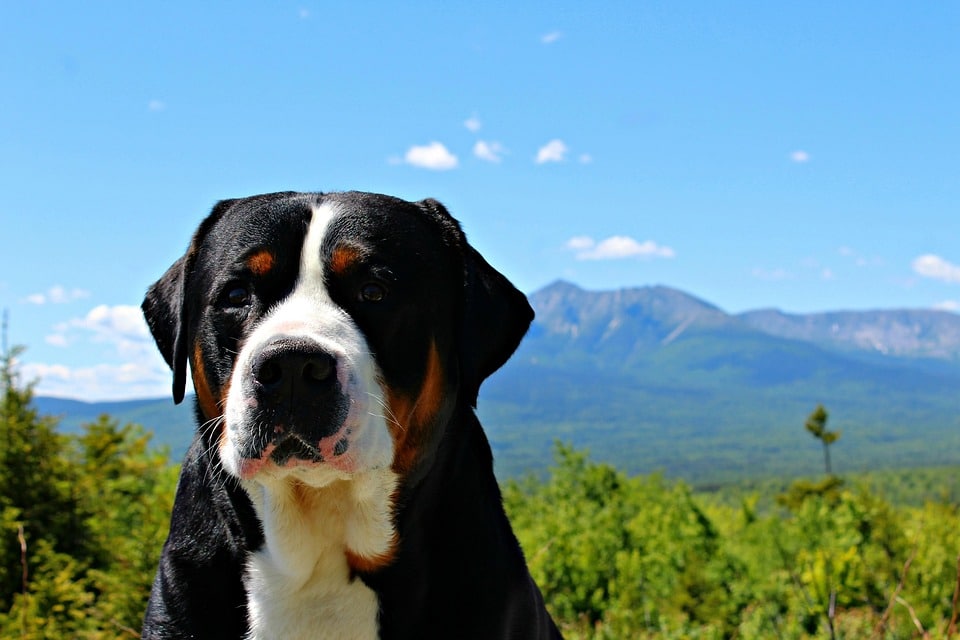
The Ultimate Guide to Caring for Your Greater Swiss Mountain Dog
The Greater Swiss Mountain Dog is a majestic breed known for its strong, muscular build, friendly demeanor, and striking tri-colored coat. This breed, sometimes affectionately referred to as “Swissy,” has a rich history that dates back to the Roman Empire, where they were used as herders and working dogs in the Swiss Alps. Let’s dive into what makes this breed unique, how to care for them, and how they can positively impact mental well-being as emotional support animals.
Overview of the Greater Swiss Mountain Dog
History
Believed to have originated from the Molosser dogs brought to Switzerland by the Romans, the Greater Swiss Mountain Dog has thrived in the mountainous regions of the country. Initially bred for various tasks, including herding livestock, pulling carts, and guarding property, these dogs have served humans for centuries. Their adaptability and intelligence make them not only reliable working companions but also loving family pets.
Temperament and Personality Traits
Greater Swiss Mountain Dogs are known for their gentle and friendly nature. They exhibit loyalty towards their families and are especially good with children, making them excellent family pets. These dogs are confident, alert, and possess a natural instinct for protecting their homes, all while being playful and affectionate. They thrive on companionship and can develop separation anxiety if left alone for extended periods.
Grooming Needs
Their beautiful coat is relatively low-maintenance, requiring regular brushing to keep it healthy and free from loose hair. A weekly grooming session will help keep their coat shine and minimize shedding. Bathing should be done as needed, but not excessively, as too frequent washing can strip their coat of natural oils.
Health Considerations
Like many large breeds, Greater Swiss Mountain Dogs are prone to certain health issues such as hip dysplasia, elbow dysplasia, and certain heart conditions. Regular veterinary check-ups and maintaining an appropriate weight are crucial in ensuring a long, healthy life for your Swissy.
Suitability for Households
These dogs do well in various living situations, provided they receive adequate exercise and mental stimulation. Families with children, active individuals, or those who live in suburban environments with yards are an ideal fit. They do not generally thrive in small apartments, particularly if they don’t have a backyard to roam and play in.
Caring for Your Greater Swiss Mountain Dog
Training Tips
Training a Greater Swiss Mountain Dog can be rewarding. Here are some effective strategies:
-
Start Early: Begin socialization and basic training when your dog is still a puppy to help them become well-adjusted adults.
-
Positive Reinforcement: Use treats, praise, and toys as motivators for good behavior. This will help build a trusting relationship between you and your pet.
-
Consistency is Key: Be consistent with commands and routines to create a reliable training environment.
-
Socialization: Allow your dog to meet various people and other animals to enhance their social skills.
Exercise Needs
Greater Swiss Mountain Dogs are energetic and require daily physical activity. Aim for at least one to two hours of exercise each day. Activities can include:
- Long walks
- Hiking
- Playing fetch in a secure area
- Agility training
Emotional Support Animals (ESA)
But why stop at being a pet? Many people find companionship and emotional support from their pets. An emotional support animal (ESA) is a pet that provides comfort to its owner, particularly individuals dealing with anxiety, depression, or other emotional challenges. Unlike therapy or service dogs, ESAs do not require special training; their mere presence helps alleviate psychological distress.
Benefits of an ESA
Many people find their lives improved significantly by having an ESA. Here are some mental health benefits:
- Decreased Anxiety: Cuddling with your dog can provide a calming effect, reducing feelings of anxiety.
- Improved Mood: The unconditional love and companionship from pets can boost overall happiness and combat feelings of loneliness.
- Greater Resilience: Having a pet can provide emotional support during stressful times, helping individuals cope better with life’s ups and downs.
Real-life examples abound; consider someone experiencing anxiety. Just having their Greater Swiss Mountain Dog beside them during a tough moment can serve as a powerful source of comfort.
Key Information
- The Greater Swiss Mountain Dog is a loyal and friendly breed, well-suited for families.
- They have low grooming needs but require regular exercise and mental stimulation.
- Training should start early with a focus on positive reinforcement and socialization.
- Emotional Support Animals provide psychological comfort, helping reduce anxiety and improve overall well-being.
How Dogs and Cats Provide Emotional Support
The science behind why pets are beneficial for mental health is rooted in psychology and biology. When you interact with your pet, your brain releases hormones such as oxytocin—commonly associated with bonding—which can help lower stress levels and promote feelings of happiness. Studies have shown that petting an animal can decrease cortisol levels, the stress hormone.
-
Increased Social Interaction: Pets can encourage social engagement. Pet owners often connect with others through shared pet interests, fostering a sense of community.
-
Enhanced Routine: Caring for a pet adds structure to your day. This can be particularly beneficial for individuals struggling with depression, as routines promote stability and a sense of purpose.
FAQs about Emotional Support Animals
-
What qualifies a dog or cat to be an ESA?
Any pet can be an ESA if it helps alleviate symptoms of a mental or emotional disability. -
Do ESAs require training?
No, ESAs do not require specialized training but should be well-behaved in public settings. -
Can I take my ESA anywhere?
ESAs have certain legal protections, but public access varies. Always check local laws. -
How do I certify my pet as an ESA?
Consult with a licensed mental health professional to obtain documentation. -
Can my ESA fly with me?
Airlines have specific policies for ESAs. Check with your chosen airline for details. -
Are there size restrictions for ESAs?
Generally, no size restrictions apply, but larger animals may face additional scrutiny in some settings. -
What paperwork is needed for an ESA?
A letter from a licensed therapist or doctor stating that you have a genuine need for an ESA. -
Can I have more than one ESA?
Yes, you can have multiple ESAs as long as you can provide for their care and well-being. -
Do ESAs need to be registered?
There isn’t a formal registration process for ESAs; a letter from a mental health professional is sufficient. -
Does my ESA have to live with me?
An ESA should generally live in the same household as their owner to fulfill their purpose.
Conclusion
The Greater Swiss Mountain Dog can be more than a pet; they can also be a source of emotional support, improving your mental health and emotional well-being. If you’re looking to have your pet recognized as an Emotional Support Animal, consider visiting Veripaw.org. Since 2012, Veripaw has been a trusted resource, assisting pet owners in obtaining ESA documentation and connecting with licensed mental health professionals. Additionally, they offer access to high-quality pet accessories, ensuring that both you and your canine companion are well-equipped for a happy life together. Take the step to enhance your emotional well-being with the love and support of your furry friend today!


