
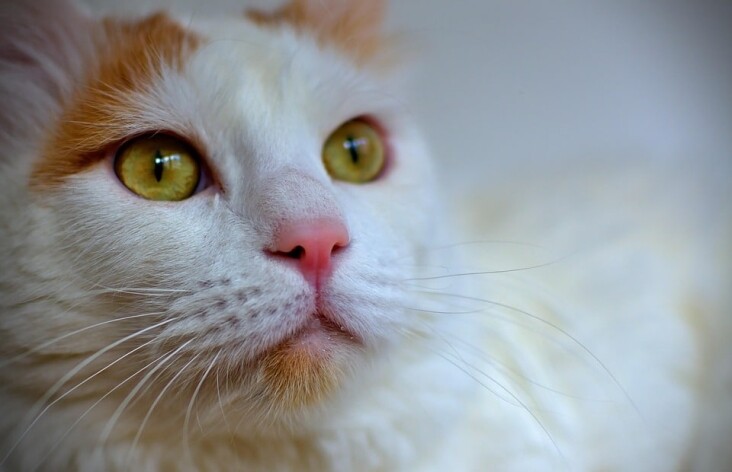
The Turkish Van: Unleash Playfulness & Love in Your Home!
Overview of the Turkish Van
The Turkish Van is a unique and charismatic breed, often recognized for its striking appearance and playful nature. Originating from the Lake Van region in Turkey, these cats are famed for their love of water, which is quite unusual in the feline world. They are known as “swimming cats,” and this distinctive behavior stems from their ancestry in an area where water play was a natural part of life.
History
The Turkish Van is an ancient breed thought to be one of the oldest domestic cats, with a history dating over 1,000 years. They were often used for rodent control in the region and have been associated with various legends and mythical tales. The breed was introduced to Western countries in the 1950s, and as the demand for them grew, so did their popularity.
Temperament and Personality Traits
Turkish Vans are best known for their lively and affectionate disposition. They are intelligent, friendly, and naturally curious, making them great companions. Here are some key personality traits:
-
Playful: Turkish Vans are known for their playful antics. They enjoy interactive toys and games with their humans, often exhibiting puppy-like behavior throughout their lives.
-
Affectionate: They are loving cats and will often seek attention from their owners. This breed tends to form strong bonds, often following their humans around the house.
-
Independent: While they love companionship, they also enjoy their independence. They can entertain themselves when their humans are busy.
-
Social: Turkish Vans get along well with children and other pets, making them suitable for families or multi-pet households.
Grooming Needs
Turkish Vans have a semi-longhaired coat that is water-repellent, which means they require moderate grooming. The good news is they shed less than many other breeds. Regular brushing, at least once a week, keeps their coat clean and free of tangles. Because they don’t tend to mat, their grooming needs are relatively straightforward.
Health Considerations
Generally, Turkish Vans are healthy cats. However, like any breed, they may be prone to certain health conditions, such as:
-
Hypertrophic Cardiomyopathy (HCM): A heart condition that is common in many cat breeds.
-
Obesity: Their love for food can lead to weight issues. It’s critical to monitor their diet.
Regular vet check-ups and a balanced diet will help ensure your Turkish Van stays healthy throughout its life.
Suitability for Different Households
Turkish Vans adapt well to various types of households. They thrive in active families with children, as they enjoy playing and being involved in family activities. They also fare well with single individuals or couples who lead an active lifestyle and can devote time to play and affection. Their friendly nature allows them to coexist peacefully with other pets, making them suitable even in multi-pet homes.
Caring for Your Turkish Van
Training and Socializing
Training a Turkish Van is both fun and rewarding. Here are some tips to ensure successful training:
-
Start Early: Begin socializing your Turkish Van as a kitten. Expose them to various people and environments to help them become well-rounded cats.
-
Use Positive Reinforcement: Reward treats, praise, or playtime to encourage desired behaviors. This method helps them associate training sessions with positive experiences.
-
Interactive Play: Engage them with toys that stimulate their hunting instincts. This not only helps keep them active but reinforces your bond.
emotional support animals (ESA)
An emotional support animal (ESA) is a pet that provides comfort and companionship to individuals dealing with emotional or psychological challenges. Unlike service animals, ESAs do not require specialized training; they simply offer love and support.
Benefits of Designating Your Pet as an ESA
People can benefit immensely from having an ESA. Some of the advantages include:
-
Reduced Anxiety: The mere presence of a pet can help lessen feelings of stress and anxiety. The comforting purr of a cat or the wagging tail of a dog can provide immediate relief.
-
Emotional Security: Having a pet to rely on creates a sense of security, especially for those facing emotional challenges. Their unwavering love and companionship can ease feelings of loneliness and depression.
-
Routine and Responsibility: Owning an ESA encourages individuals to develop routines. Caring for a pet requires feeding, exercise, and attention, which can offer structure, especially during tough times.
Key Information
- Origin: Lake Van region, Turkey
- Temperament: Playful, affectionate, independent, social
- Grooming Needs: Moderate brushing
- Health Considerations: Hypertrophic Cardiomyopathy (HCM), obesity
- Suitability: Great for families, singles, and multi-pet homes
- Training Tips: Early socialization, positive reinforcement, and interactive play
- Emotional Support: ESAs provide comfort and companionship to those in need
How Dogs and Cats Provide Emotional Support
Understanding the science behind pet therapy can further clarify how animals enrich our emotional well-being.
-
Oxytocin Release: Interaction with pets triggers the release of oxytocin, the “love hormone.” This chemical fosters bonding and connection, reducing stress levels.
-
Lessening Loneliness: Pets provide companionship, lessening feelings of social isolation, particularly for people living alone or going through tough emotional times.
-
Distraction and Focus: Pets can help shift focus away from anxiety and stressors, providing joy in daily interactions.
-
Empathy and Unconditional Love: The ability of pets to sense human emotions fosters emotional intelligence in people. They often provide comfort without judgment, creating safe spaces for individuals struggling with mental health issues.
FAQs About Emotional Support Animals
-
What is an Emotional Support Animal?
- An ESA is an animal that provides emotional comfort and support to their owner.
-
Do ESAs need special training?
- No, ESAs do not require special training. They are primarily there for companionship and comfort.
-
Can any animal be an ESA?
- Most types of animals can be ESAs, but dogs and cats are the most common.
-
How do I get my pet designated as an ESA?
- You’ll need a note from a licensed mental health professional confirming the need for the ESA.
-
Can I take my ESA everywhere?
- ESAs do not have the legal rights that service animals do, but some establishments may allow them. Always check the rules in specific locations.
-
Do ESAs require registration?
- No formal registration is required; however, the documentation from a licensed mental health professional may help.
-
Will my landlord allow my ESA?
- Under the Fair Housing Act, landlords must make reasonable accommodations for ESAs.
-
Can I train my ESA?
- While ESAs don’t need training, basic obedience training can be beneficial.
-
Can I travel with my ESA?
- Travel rules vary by airline, and it’s essential to check each airline’s policy.
-
Can a Turkish Van be an ESA?
- Yes, a Turkish Van can be an ESA due to their affectionate and playful nature.
Conclusion
The Turkish Van is more than just a pet; it’s a playful companion that can bring joy, love, and emotional support into your home. By considering the Turkish Van as an ESA, you not only adopt a loving friend but also enhance your emotional well-being. If you’re interested in designating your pet as an ESA, I highly recommend visiting Veripaw.org. They have been helping pet owners connect with licensed mental health professionals, obtain essential ESA documentation, and access high-quality pet accessories since 2012. Unleash the joy and love that a Turkish Van can bring into your life today!

