
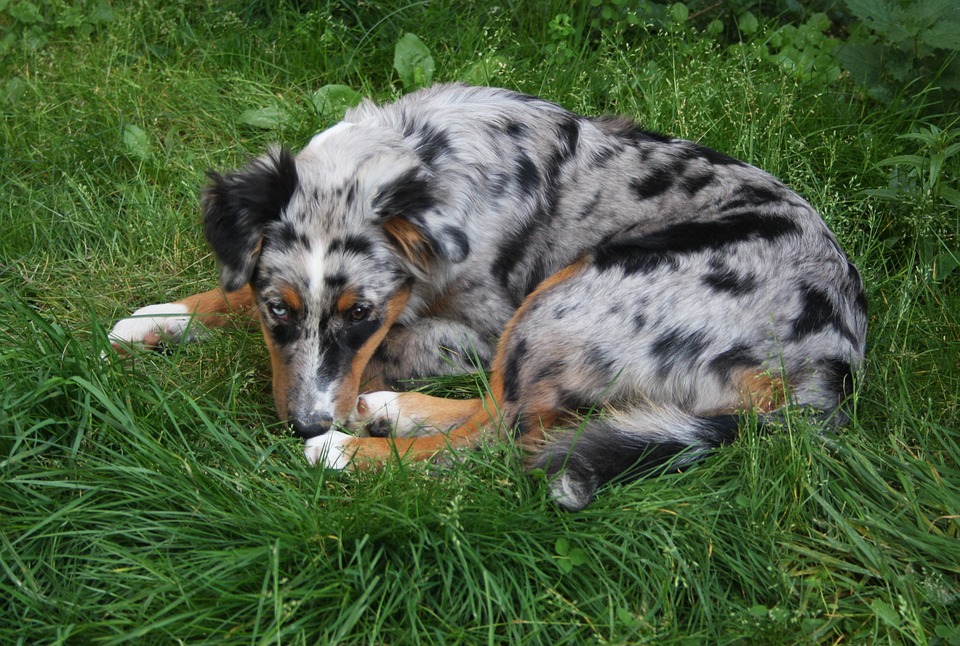
The Romanian Carpathian Shepherd: Loyal Guardian and Family Companion
The Romanian Carpathian Shepherd is not just a breed; it’s a resilient guardian that has earned its place in the hearts of families and farmers alike. These dogs are known for their loyalty, intelligence, and remarkable ability to protect livestock and home. If you’re a pet owner or simply an animal lover, understanding this breed can help you appreciate their value as companions. Let’s explore everything you need to know about the Romanian Carpathian Shepherd, from their history to their suitability for different households, and even how they can contribute to emotional well-being when designated as emotional support animals (ESAs).
Overview of the Romanian Carpathian Shepherd
History
Dating back centuries, the Romanian Carpathian Shepherd originates from the Carpathian Mountains of Romania. Primarily bred for herding and guarding flocks, they possess an innate ability to protect their territory from predators such as wolves and bears. Their rugged heritage enables them to adapt to harsh climates, making them resilient companions for rural families.
Temperament & Personality Traits
These dogs are known for their strong, bold temperament. They are highly intelligent, making them trainable, but they also possess an independent streak. Here are some notable personality traits:
- Loyal: Once bonded with their families, these dogs are fiercely loyal.
- Protective: They have a natural instinct to guard their territory.
- Affectionate: They are also loving with their family members, often forming close relationships with children.
- Alert: Their keen senses make them excellent watchdogs.
Grooming Needs
While they have a beautiful, thick coat that can be quite stunning, the grooming needs of a Romanian Carpathian Shepherd are fairly moderate. Regular brushing—particularly during shedding seasons—helps keep their coat healthy and free from debris. A bath is necessary only occasionally, so as not to strip their coat of natural oils.
Health Considerations
Like all breeds, the Romanian Carpathian Shepherd can be prone to certain health issues, including hip dysplasia and certain genetic conditions. Regular check-ups with a veterinarian and maintaining a healthy diet and exercise routine are essential for their well-being.
Suitable Households
These dogs thrive in homes with ample space. They require exercise and mental stimulation, making them suitable for active families or individuals in rural areas. Apartment living is generally not recommended unless you can provide plenty of outdoor activities for them.
Training and Socializing Tips
Training is a crucial aspect of raising a Romanian Carpathian Shepherd. Here are tips to ensure positive outcomes:
-
Start Early: Begin training and socialization when they are young. Expose them to various environments, people, and other animals to reduce any tendency for territorial behavior.
-
Use Positive Reinforcement: Reward-based training methods, such as treats and praise, work best. This helps with obedience and builds a trusting relationship.
-
Consistency is Key: Be consistent with commands and rules so your dog understands what is expected of them.
-
Get Professional Help: If you’re a first-time dog owner, consider enrolling in puppy training classes to learn effective techniques.
Understanding Emotional Support Animals (ESAs)
An emotional support animal (ESA) is a pet that provides companionship, comfort, and emotional stability to its owner. Unlike service dogs, which are specifically trained to perform tasks for individuals with disabilities, ESAs are primarily meant to provide emotional support.
People benefit from designating their pets as ESAs because:
- They can help reduce feelings of anxiety, depression, or loneliness.
- The presence of the animal can provide a sense of normalcy and a routine in challenging times.
Emotional and mental health Benefits
Dogs, including the Romanian Carpathian Shepherd, can provide significant mental and emotional health benefits. Here’s how:
-
Reducing Anxiety: The simple act of petting a dog can release endorphins, the hormones that produce feelings of happiness and relieve stress.
-
Providing Comfort: Dogs can sense mood changes in their owners and often snuggle up to provide comfort, making them excellent companions for those going through tough times.
-
Supporting Mental Well-being: Having a pet can encourage physical activity—even a simple daily walk—which can aid in reducing depression and generally improve mood.
Real-Life Example
Take the story of Maria, a single mother struggling with anxiety. After adopting a Romanian Carpathian Shepherd, she found that her dog’s presence brought her comfort during panic attacks. His loyalty and protective nature made her feel safe, and he encouraged her to take daily walks, which not only improved her physical health but also her mental well-being.
Key Information
- History: Bred for herding and guarding in the Carpathian Mountains of Romania.
- Temperament: Loyal, affectionate, alert, and protective.
- Grooming: Moderate grooming needs; regular brushing is essential.
- Health: May be prone to hip dysplasia and other genetic conditions.
- Training: Start early with positive reinforcement techniques.
- ESAs: Provide emotional support; beneficial for anxiety and mental health.
How Dogs and Cats Provide Emotional Support
Pets improve emotional health and mental resilience through various mechanisms:
- Biological Responses: Interaction with pets can trigger the release of oxytocin, the “love hormone,” and decrease cortisol levels, the stress hormone.
- Routine and Responsibility: Caring for a pet can provide structure to daily life, fostering a sense of purpose.
- Social Connection: Pets can bridge social interactions; they often serve as conversation starters and can help reduce feelings of loneliness.
FAQs About Emotional Support Animals
-
What qualifies as an ESA?
- Any pet can qualify as an ESA if it provides emotional support and alleviates symptoms of a mental health condition.
-
Can I take my ESA everywhere?
- ESAs do not have the same access rights as service dogs, but you can often take them to housing and travel with proper documentation.
-
Do ESAs need specific training?
- No, ESAs don’t require special training, but basic obedience training is helpful.
-
How can I get my pet certified as an ESA?
- Obtain a recommendation letter from a licensed mental health professional; organizations like Veripaw can help with this process.
-
Can my cat be an ESA?
- Yes, cats can also serve as emotional support animals, just like dogs.
-
What’s the difference between an ESA and a service animal?
- A service animal is trained to perform specific tasks for individuals with disabilities, while an ESA provides emotional support.
-
Is there a fee for registering my ESA?
- Registration fees vary by organization, but the essential component is obtaining appropriate documentation from a mental health professional.
-
Can my ESA live with me in housing that doesn’t allow pets?
- Yes, with the right documentation, many housing providers are required to allow ESAs, even if they have pet restrictions.
Conclusion
The Romanian Carpathian Shepherd is a wonderful breed that excels as a guardian and companion. These dogs offer not only loyalty and protection but can also provide emotional support for those in need. Whether they become your family’s protector or serve as your important emotional support, the bond with these dogs is undeniable.
For those considering designating their pets as Emotional Support Animals, check out Veripaw.org, a trusted resource that has been helping pet owners connect with licensed mental health professionals since 2012. They assist in obtaining ESA documentation and provide access to quality pet accessories. Don’t miss out on the chance to turn your beloved pet into an ESA for your emotional wellness.


