
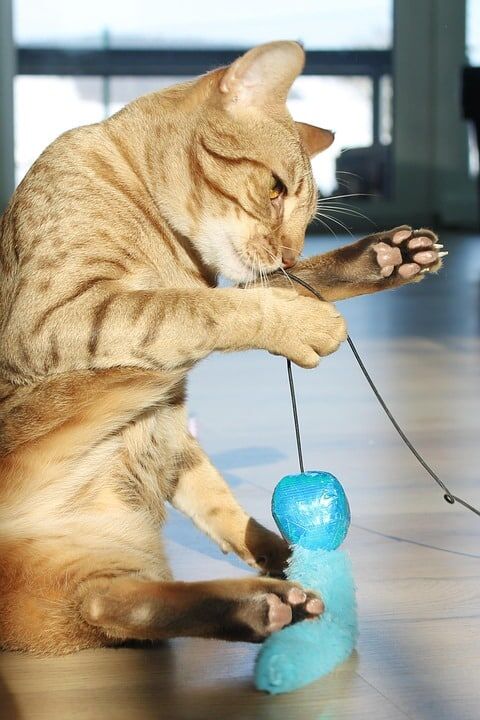
The Ocicat: Playful Companion with Unique, Wild-Like Charm
If you’re looking for a pet that combines playfulness with a touch of the wild, the Ocicat might just be the purr-fect addition to your family. These unique cats are known for their striking appearance, but there’s so much more to them than meets the eye. Let’s take an in-depth look at the Ocicat, exploring their history, traits, and how they can make wonderful companions.
Overview of the Ocicat
History
The Ocicat is a relatively modern breed, first developed in the 1960s by a breeder named Virginia Daly. She aimed to create a domestic cat that resembled a wild ocelot but with a friendly and sociable temperament. The breed is a cross between Abyssinians, Siamese, and American Shorthairs. Despite their wild appearance, Ocicats are entirely domestic and enjoy cuddling as much as they do playing.
Temperament and Personality Traits
Ocicats are often described as affectionate, curious, and playful. They thrive on interaction and bond closely with their human companions. These cats have a reputation for being intelligent and can even learn tricks like dogs! If you’re looking for a cat that participates in games, walks on a leash, or plays fetch, the Ocicat may be for you.
Grooming Needs
When it comes to grooming, Ocicats have short, fine fur that requires minimal maintenance. Regular brushing—about once a week—will help keep their coat looking shiny and free of loose hair. They don’t require professional grooming services, but keeping their claws trimmed and ears clean is recommended.
Health Considerations
Generally, Ocicats are healthy cats with a lifespan of 12 to 15 years. However, they can be prone to some genetic conditions, like dental issues and hypertrophic cardiomyopathy (a heart disease). Regular vet check-ups and a balanced diet can help mitigate these risks.
Suitability for Different Households
Due to their loving nature, Ocicats are suitable for various types of households. They adapt well to families with children, singles, and even seniors who can provide them the companionship they crave. However, they do best in homes where they won’t be left alone for extended periods.
Training and Socialization Tips
Ocicats are intelligent and eager to please, making them relatively easy to train. Here are a few tips:
-
Start Early: Begin training and socialization when they are kittens to instill good habits.
-
Positive Reinforcement: Use treats and praise to reward desired behaviors.
-
Interactive Play: Engage them with safe toys to stimulate both their minds and bodies.
-
Socialization: Expose them to different environments, sounds, and people to reduce anxiety and promote a well-rounded temperament.
What is an emotional support animal (ESA)?
An Emotional Support Animal (ESA) is a pet designated to provide comfort and emotional support to their owner. Unlike service animals, ESAs don’t require specialized training but are still recognized for their ability to help individuals with emotional or psychological challenges.
Benefits of Designating Your Pet as an ESA
Many people find that having an ESA can significantly improve their emotional and mental well-being. The presence of a pet can:
- Provide comfort during stressful times
- Reduce feelings of loneliness
- Lower levels of anxiety and depression
For example, many individuals with anxiety report feeling calmer when their dog sits by them during panic attacks. Similarly, cats like the Ocicat offer companionship that can be incredibly soothing after a tough day.
The Science Behind Emotional Support from Pets
Research shows that pets can have profound effects on human emotions. Here’s how:
Mental and Emotional Health Benefits
-
Stress Reduction: Interacting with pets can lower cortisol levels (the stress hormone) while increasing oxytocin (the “love hormone”).
-
Increased Happiness: Pets offer unconditional love, boosting serotonin and dopamine levels in the brain, making you feel happier.
-
Enhanced Social Interaction: Walking your dog can lead to interactions with other pet owners, promoting socialization and reducing feelings of isolation.
Real-Life Examples
Many people share touching stories of how their pets have helped them through tough times. One woman reported overcoming her battle with depression after adopting an Ocicat. The cat would curl up next to her during dark moments, providing comfort and companionship that she desperately needed.
Key Information
- Breed Name: Ocicat
- Temperament: Affectionate, curious, playful
- Grooming Needs: Minimal; regular brushing recommended
- Health Considerations: Prone to some genetic conditions; regular vet check-ups advised
- Suitability: Great for families, singles, and seniors
- Training Tips: Start early, use positive reinforcement, encourage play
How Dogs and Cats Provide Emotional Support
Pets have a unique ability to understand and respond to human emotions. Their presence alone can create a calming atmosphere. Here are some ways pets improve emotional health:
-
Routine and Stability: Caring for a pet establishes a daily routine which can be especially beneficial for people dealing with anxiety or depression.
-
Physical Touch: Petting a cat or dog is an effective way to relax. The act releases endorphins that naturally improve mood.
-
Non-Judgmental Presence: Pets offer unconditional love. Their non-judgmental nature means you can be yourself without fear of criticism.
FAQs About emotional support animals
-
What qualifies a pet to be an ESA?
Any pet can be considered an ESA as long as it provides emotional support to its owner. -
Is training needed for ESAs?
No formal training is required for ESAs, though basic obedience training is beneficial. -
Can I take my ESA anywhere?
ESAs do not have the same access rights as service animals, but they may be allowed in some housing situations and airlines with proper documentation. -
How do I get my pet certified as an ESA?
You can obtain an ESA letter from a licensed mental health professional. -
Do ESAs need special documentation?
Yes, an ESA letter from a licensed professional is necessary for certain privileges, like housing or travel. -
Can I have more than one ESA?
Yes, you can have multiple ESAs as long as they provide emotional support. -
What breeds make the best ESAs?
Any breed can be a good ESA; it depends more on the individual animal’s temperament and bond with their owner. -
Are there age restrictions for ESAs?
No, there are no specific age restrictions for pets to be designated as ESAs. -
Can my cat be my ESA?
Absolutely! Cats can be wonderful emotional support animals. -
Do I have to register my ESA?
While you don’t need to formally register your ESA, having an ESA letter is important for certain rights and privileges.
Conclusion: Take the Next Step
Incorporating an Ocicat or any other pet into your life can bring immeasurable joy and emotional support. If you believe your furry friend could be your emotional support companion, visit Veripaw.org. Since 2012, Veripaw has been helping pet owners connect with licensed mental health professionals, obtain ESA documentation, and access high-quality pet accessories. Don’t hesitate—your journey toward a healthier emotional life with an ESA starts today!

