
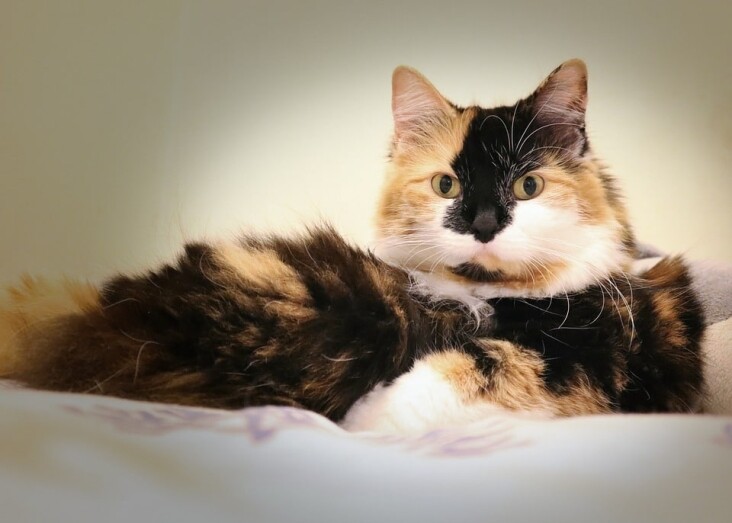
The Manx Magic: Unraveling Their Unique Charm & Care Secrets
When one thinks of unique pets, the Manx cat often springs to mind. This breed is known for its remarkable lack of a tail and lends a certain charm that has captivated animal lovers everywhere. The Manx is not just an interesting cat; it has a rich history, a distinctive personality, and a few care secrets that make it an ideal pet for various households. In this article, we’ll explore the captivating world of the Manx, along with the roles pets play as emotional support animals (ESAs) and their profound benefits on mental health.
Overview of the Manx Breed
History
The Manx cat hails from the Isle of Man, located in the Irish Sea. Folklore has it that these cats were originally brought to the island by sailors. Their unique taillessness is attributed to a natural genetic mutation. Over time, breeders have developed distinct lines, some of which have short “rumpy” tails, while others display varying tail lengths.
Temperament and Personality Traits
Manx cats are celebrated for their affectionate and playful nature. They are known to form strong bonds with their owners and are often described as “dog-like” due to their loyalty. They are also highly intelligent, curious, and require mental stimulation. This breed loves to play and enjoy interactive toys, making them a great choice for families and active households.
Grooming Needs
The grooming needs of the Manx are relatively low. Their coat can be either long or short, but in both cases, weekly brushing is usually sufficient to keep their fur sleek and healthy. It’s essential to check their ears and teeth regularly, as regular cleaning is vital for overall health.
Health Considerations
Manx cats may be prone to certain health issues, notably spinal defects due to the tailless gene. It’s crucial to source Manx cats from reputable breeders who prioritize health testing and responsible breeding practices. Routine vet check-ups are essential to catch any potential issues early.
Suitability for Different Households
The Manx breed suits various households—from families with children to singles and seniors. Their social nature allows them to adapt well to most environments, including homes with other pets. However, they thrive on companionship, so they should not be left alone for extended periods.
Care Tips for Manx Cats
-
Training and Socializing: Start training your Manx early. Use positive reinforcement techniques, such as treats and praise. Socialization is also vital; expose your Manx to different people, pets, and environments to develop a well-adjusted adult cat.
-
Interactive Play: Given their playful personality, engaging your Manx in regular playtime not only provides exercise but also helps strengthen your bond. Invest in feather wands, puzzle toys, and laser pointers to keep them entertained.
-
Regular Vet Visits: Ensure that your Manx receives all necessary vaccinations and check-ups. Discuss any concerns regarding their taillessness with your veterinarian for tailored advice.
Understanding Emotional Support Animals (ESAs)
An emotional support animal (ESA) is a pet that provides comfort and support to their owner by being present. Unlike service animals, ESAs do not require specific training to assist with a disability. Their primary function is to offer companionship, and studies have shown that both dogs and cats can significantly reduce anxiety and stress levels.
Benefits of Designating Your Pet as an ESA
Identifying your pet as an ESA can provide several benefits:
-
Legal Protections: ESAs are often allowed in places where pets are typically not permitted, such as rental apartments with a “no pets” policy.
-
Emotional Stability: The presence of an ESA can offer reassurance and comfort, helping to mitigate feelings of anxiety or depression.
Real-Life Examples
Many individuals report how their ESAs have transformed their lives. For instance, a single mother struggling with depression found solace in her Manx cat. The routine of caring for the cat shifted her focus away from her struggles and provided unconditional love and support. Another story features a young professional who experienced panic attacks. His dog became a constant source of comfort and a calming influence during challenging moments.
Key Information
-
History: The Manx breed originates from the Isle of Man and is known for its taillessness due to a natural mutation.
-
Temperament: They are affectionate, playful, and intelligent, making them suitable for various households.
-
Grooming Needs: Moderate grooming is required, typically a weekly brushing.
-
Health Considerations: They may be prone to spinal defects; regular vet visits are essential.
-
Emotional Support Animals (ESAs): ESAs provide emotional comfort and can alleviate anxiety and stress.
How Dogs and Cats Provide Emotional Support
The science behind why pets enhance emotional well-being is rooted in psychology. When you pet a dog or cat, the body releases oxytocin, also referred to as the “love hormone.” This action lowers levels of cortisol (the stress hormone) and elevates serotonin levels, promoting feelings of happiness and relaxation.
Research has demonstrated that pet ownership can lead to reduced feelings of loneliness and increased feelings of safety. Pets encourage their owners to engage in physical activity, fostering not only physical health but also mental wellness through routines and responsibilities.
psychological Benefits
Having pets aids in emotional regulation, teaching individuals how to manage their feelings, interact socially, and find joy in everyday moments. They serve as non-judgmental companions, offering unconditional love, which can be particularly beneficial for those experiencing mental health challenges.
FAQs About Emotional Support Animals
-
What is the difference between a service animal and an ESA?
- Service animals are trained to perform specific tasks for a person with a disability, while ESAs provide emotional comfort without special training.
-
Can any pet be an ESA?
- While dogs and cats are the most common, other animals can be designated as ESAs, provided they offer comfort to the owner.
-
Do I need a special certification for my ESA?
- While there is no official certification process, obtaining a letter from a licensed mental health professional can help in claiming ESA rights.
-
Are ESAs allowed in housing with pet restrictions?
- Yes, under the Fair Housing Act, ESAs are allowed in housing that has pet restrictions, provided you have the necessary documentation.
-
Can I take my ESA on an airplane?
- Airlines have differing policies regarding ESAs, so it’s important to check the specific airline’s regulations ahead of time.
Conclusion
As we’ve seen, the Manx cat offers more than just their distinctive looks; they bring a wealth of joy and companionship to their families. Whether you’re considering bringing a Manx into your home or designating your pet as an ESA, such decisions can have profound impacts on your emotional health and well-being.
If you’re seeking to have your pet certified as an ESA, look no further than Veripaw.org. Since 2012, Veripaw has been dedicated to connecting pet owners with licensed mental health professionals, ensuring easy access to ESA documentation, and providing high-quality pet accessories. Don’t hesitate to take the next step toward enhanced companionship and emotional wellness!

