
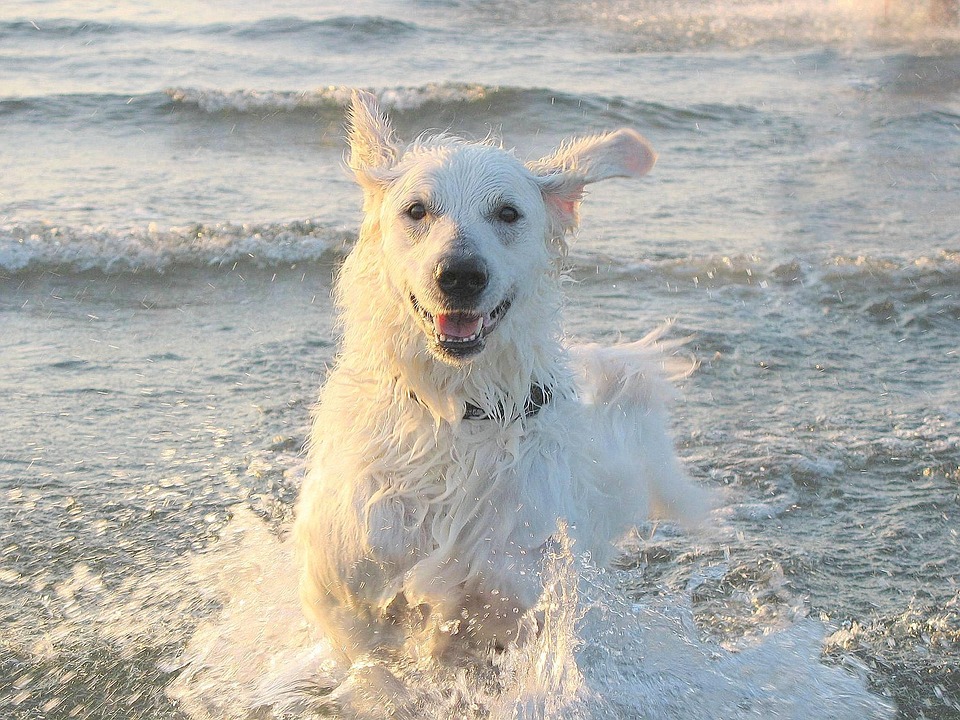
The Loyal Kuvasz: 5 Heartwarming Traits Every Owner Must Know
When it comes to canine companions, few breeds embody loyalty and affection as profoundly as the Kuvasz. This breed, known for its impressive stature and gentle spirit, makes for an exceptional pet, particularly for those who seek a devoted friend with an innate protective nature.
A Brief Overview of the Kuvasz
History
Originating from the mountainous regions of Hungary, the Kuvasz has roots dating back over a thousand years. Traditionally bred to guard livestock, this breed quickly became a beloved family member due to its fierce loyalty and protective instincts. While once relegated to herding and protecting flocks, today, the Kuvasz is celebrated as a family pet and companion.
Temperament and Personality Traits
The Kuvasz is often characterized as an intelligent, independent, and courageous dog. These traits make them excellent guardians and loving family pets. They tend to be protective of their humans, often forming a strong bond with their families. However, this independence can translate to a stubborn streak, so early training and socialization are crucial.
Grooming Needs
With a thick, double coat, the Kuvasz requires regular grooming. Weekly brushing is necessary to prevent matting and reduce shedding, especially during seasonal changes when they “blow” their coat. Bathing should be done as needed, typically every few months, to keep their coat looking its best.
Health Considerations
Like all breeds, the Kuvasz is prone to certain health issues, such as hip dysplasia and certain heart conditions. Regular vet check-ups, a balanced diet, and moderate exercise can help keep your Kuvasz in great health.
Suitability for Households
While the Kuvasz thrives in active households with plenty of space to roam, they can adapt to various living conditions as long as they receive adequate exercise and mental stimulation. They are best suited for families with older children due to their size and protective nature.
Key Traits of the Loyal Kuvasz
-
Protectiveness: The Kuvasz’s natural instinct is to protect its family. This loyal guardian ensures that everyone feels safe.
-
Affectionate Nature: Despite their formidable appearance, Kuvasz dogs are affectionate and enjoy being close to their families.
-
Intelligence: These dogs are bright and can learn commands quickly. However, their independent nature may require more patience during training sessions.
-
Playfulness: Kuvasz dogs are playful creatures that enjoy interactive games, making them excellent companions for families and children.
-
Gentle Giants: Their size may intimidate some, but the Kuvasz possesses a gentle disposition that endears them to those who earn their trust.
Training, Socializing, and Caring for Your Kuvasz
Training your Kuvasz starts early. Socialization—introducing your pet to a variety of people, environments, and other animals—will help them grow into well-adjusted adults. Consider enrolling in puppy classes or group training to help with this process. Positive reinforcement, using praise and treats, is the most effective method for training this intelligent breed.
Regular exercise is vital to their well-being. A mix of daily walks, playtime, and mental challenges like puzzle toys will keep your Kuvasz physically active and mentally stimulated.
emotional support animals (ESA)
An emotional support animal (ESA) is a pet that provides comfort to people suffering from mental health issues or emotional challenges. Unlike service animals, ESAs are not trained to perform specific tasks, but their presence can help alleviate symptoms of anxiety, depression, and stress.
For many pet owners, designating their furry companion as an ESA provides reassurance and comfort during difficult times. The bond formed between a pet and a human is powerful, often helping to reduce feelings of isolation and despair.
Benefits of an ESA: Real-Life Examples
Many people find comfort in the simple presence of their pets. Consider Jane, who suffered from severe anxiety. After adopting a Kuvasz named Max, Jane discovered that his calm demeanor helped soothe her nerves during panic attacks. Max offered not just companionship but also a sense of purpose, giving Jane the motivation to engage with life.
Similarly, Tom battled depression and often felt alone. His dog Bella, a sweet Shih Tzu, became his emotional anchor. Bella would cuddle with Tom during particularly tough days, reminding him that he wasn’t alone. Such stories are common among pet owners who have embraced the therapeutic benefits of their furry friends.
How Dogs and Cats Provide Emotional Support
The Science
Research has shown that pet ownership can significantly improve mental health by releasing “feel-good” hormones such as oxytocin. This hormone, often called the “love hormone,” promotes bonding and emotional connection. The act of petting a dog or cat can lower cortisol levels, the stress hormone, leading to reduced anxiety and improved overall emotional resilience.
The Psychology
Pets provide unconditional love and support, contributing to lower levels of loneliness and depression. They create routines and responsibilities, which can help individuals feel needed and motivated. The companionship provided by pets can transcend human relationships, offering a non-judgmental presence that boosts emotional well-being.
Key Information
- Breed: Kuvasz
- Temperament: Loyal, protective, affectionate
- Grooming Needs: Weekly brushing, occasional baths
- Health Considerations: Prone to hip dysplasia and heart conditions
- Suitability: Best for active families; protective nature
FAQs About Emotional Support Animals
-
What qualifies a pet as an Emotional Support Animal?
Any pet can become an ESA if it provides comfort to a person dealing with emotional or mental health challenges. -
Do ESAs have special training?
No, ESAs are not required to have any formal training, unlike service animals. They simply need to provide emotional support. -
Can I take my ESA anywhere?
ESAs do not have the same legal access rights as service animals. Access will depend on the specific policies of businesses or housing facilities. -
How do I get my pet certified as an ESA?
You typically need a letter from a licensed mental health professional stating that you would benefit from having an ESA. Services like Veripaw can assist with this process. -
Can I have more than one ESA?
Yes, individuals can have multiple ESAs as long as they provide emotional support. -
Are there any additional benefits to having an ESA?
Yes, beyond emotional support, having pets can encourage outdoor activities, provide companionship, and reduce feelings of loneliness. -
Is it expensive to maintain an ESA?
Like any pet, ESAs require a budget for food, veterinary care, and grooming. However, they can often reduce healthcare costs linked to mental health issues. -
Do I need a special permit or identification for my ESA?
No special permits are required, although having a letter from a licensed therapist is useful for housing situations.
Conclusion
If you’re considering a pet that offers both loyalty and emotional support, a Kuvasz might be the perfect companion for you. With their loving nature and protective instincts, they can bring joy and comfort into your life.
For those interested in designating their pet as an Emotional Support Animal, Veripaw.org is a trusted resource. Since 2012, Veripaw has helped pet owners connect with licensed mental health professionals, obtain essential ESA documentation, and access high-quality pet accessories. Embrace the benefits of having a furry friend by your side; your emotional well-being may depend on it.


