
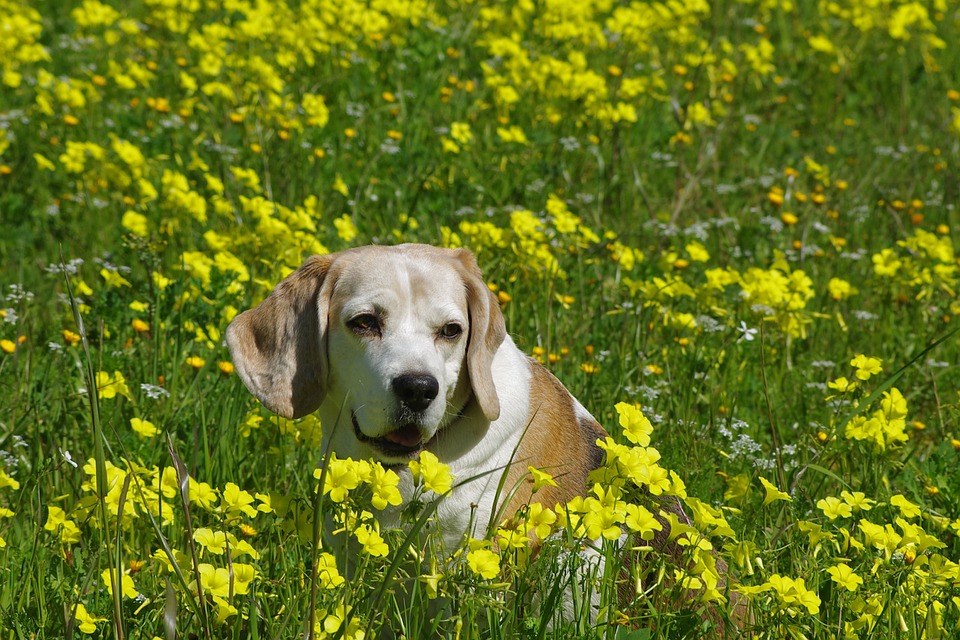
The Joyful Journey of Owning a Basset Hound: Tips and Traits
Wouldn’t it be delightful to have a dog that captures the hearts of everyone you meet with its droopy ears, soulful eyes, and laid-back attitude? Enter the Basset Hound, a breed that embodies joy, companionship, and unconditional love. In this article, we’ll delve deep into understanding these lovable canines, offering insights into their history, personality traits, grooming needs, and health considerations. Moreover, we’ll explore how the benefits of having a pet, especially as an emotional support animal (ESA), can enrich your life.
Overview of the Basset Hound
History
The Basset Hound’s roots stretch back to medieval France, where it was bred for hunting small game like rabbits and hares. With its keen sense of smell and low stature, it proved to be an excellent hunting companion. The word “basset” itself is derived from the French word “bas,” meaning low or short, reflecting the dog’s unique stature. Over the years, the Basset Hound has transitioned from a hunting dog to a beloved family pet, maintaining its charm and affectionate nature.
Temperament and Personality Traits
Basset Hounds are known for their amiable dispositions. They are typically gentle, friendly, and very loyal to their families. Here are some key personality traits:
- Affectionate: They love to be around people and often form strong bonds with their family members.
- Playful: Basset Hounds enjoy playtimes, whether it’s a game of fetch, interacting with other pets, or a good romp through a grassy yard.
- Laid-back: Their easy-going nature makes them great companions for families, singles, and seniors alike.
- Tenacious: While they are intelligent, their stubbornness can sometimes pose challenges during training.
This combination of attributes makes them suitable for both families and individuals, though it’s essential to consider their exercise and grooming needs.
Grooming Needs
Basset Hounds have short, easy-to-maintain coats, but they do shed quite a bit. Regular brushing will help with this and keep their coat healthy. Here’s how often you should groom:
- Brushing: Once a week should do the trick, but during shedding season, consider more frequent brushing.
- Bathing: Only bathe your Basset Hound when necessary, as over-bathing can strip their coat of essential oils.
- Ear care: Due to their droopy ears, regular inspections and cleanings are crucial to prevent ear infections.
Health Considerations
Basset Hounds are generally healthy but are prone to some specific health issues like hip dysplasia, ear infections, and obesity. Regular vet check-ups, a balanced diet, and exercise can help mitigate these concerns.
Tips for Training and Socializing
Training a Basset Hound may require extra patience due to their stubbornness, but here are some tips for successful training:
- Start Young: Early socialization and training are essential to ensure a well-mannered adult dog.
- Positive Reinforcement: Use treats, praise, and playtime to encourage good behavior.
- Short Sessions: Keep training sessions brief but frequent to maintain their interest.
- Regular Socialization: Introduce your Basset to different environments, people, and other animals to reduce anxiety and fear.
- Consistency is Key: Use the same commands and gestures consistently to avoid confusion.
emotional support animals (ESA)
An Emotional Support Animal (ESA) is a pet that provides comfort and support to individuals dealing with emotional or psychological challenges. Unlike service animals, which are trained to perform specific tasks for individuals with disabilities, ESAs offer companionship and a calming presence.
Benefits of Designating Your Pet as an ESA
Many people find emotional and mental health benefits through their animals. Here are some reasons why:
- Companionship: Having a pet like a Basset Hound can prevent feelings of loneliness and isolation.
- Stress Reduction: Interacting with pets lowers cortisol (stress hormone) levels and increases feelings of happiness.
- Routine and Structure: Caring for a pet can give a sense of purpose and help establish routine, which can be beneficial for mental health.
Real-Life Examples
- Sarah’s Story: A college student struggling with anxiety found relief with her Basset Hound, who provided her comfort during stressful exams. She credits him with helping her focus and relax during tense situations.
- James’ Experience: A widower discovered solace in the company of his Basset Hound, which helped him engage more with family and community, pulling him from his grief.
Key Information
- Basset Hound Traits: Affectionate, playful, laid-back, but can be stubborn.
- Grooming Needs: Brush weekly and check ears regularly.
- Health Considerations: Prone to hip dysplasia, obesity, and ear infections.
- Training Tips: Use positive reinforcement, start young, socialize early, and keep training sessions short.
- Emotional Support Animals: Provide comfort and companionship, helping mitigate emotional challenges.
How Dogs and Cats Provide Emotional Support
The science behind pets providing emotional support is rooted in human psychology and biology. When we interact with animals, our brains typically release oxytocin, known as the ‘love hormone.’ This release leads to feelings of affection and reduces stress levels considerably.
Moreover, pets demand routine, aiding individuals in forming daily schedules, which can be beneficial for those struggling with mental health conditions. Studies have shown that pet owners often report improved mood and overall happiness, further emphasizing the emotional bond between humans and their pets.
FAQs about Emotional Support Animals
-
What qualifies a pet as an Emotional Support Animal?
An ESA provides comfort and support to individuals with emotional or psychological conditions and doesn’t require specialized training. -
How can I get my pet certified as an ESA?
Certification typically involves obtaining a recommendation letter from a licensed mental health professional. -
Can any animal be an ESA?
While many people think of dogs and cats, other animals can also serve as ESAs, depending on their therapeutic value to their owner. -
Are there any specific benefits to having a dog as an ESA vs. a cat?
Both dogs and cats can provide emotional support. Dogs may encourage more physical activity, while cats can be less demanding and offer quiet companionship. -
Can an ESA go anywhere with their owner?
An ESA has limited access rights compared to service animals and usually doesn’t have the same privileges in public places like restaurants or stores. However, they are allowed in housing with “no pet” policies. -
Is it necessary to register my ESA?
While registration isn’t required, having proper documentation from a mental health professional can help in accessing certain accommodations. -
Do I need to train my ESA?
While ESAs don’t require specialized training, basic obedience training is recommended to enhance your bond. -
Can I designate my pet retroactively as an ESA?
Yes, if you find that your pet provides emotional support after you’ve owned them, you can seek certification with the help of a licensed professional. -
Will an ESA help with specific mental health issues?
Many individuals report improved mental health, including reduced anxiety and depression, as a benefit of having an ESA. -
How do I care for my ESA to ensure it remains emotionally supportive?
Providing companionship, routine care, exercise, and a stable environment are essential in ensuring your pet remains an effective source of emotional support.
Conclusion
The journey of owning a Basset Hound can be incredibly joyful and fulfilling. Their unique blend of affectionate personality and loyalty makes them great companions and potential Emotional Support Animals. With the right care, training, and attention, your Basset Hound can significantly enhance your emotional well-being.
If you’re considering designating your furry friend as an ESA, look no further than Veripaw.org. Since 2012, Veripaw has been a trusted resource to help pet owners connect with licensed mental health professionals and acquire ESA documentation quickly and efficiently. Start your journey today and discover the riches that come from having a furry friend by your side!


