
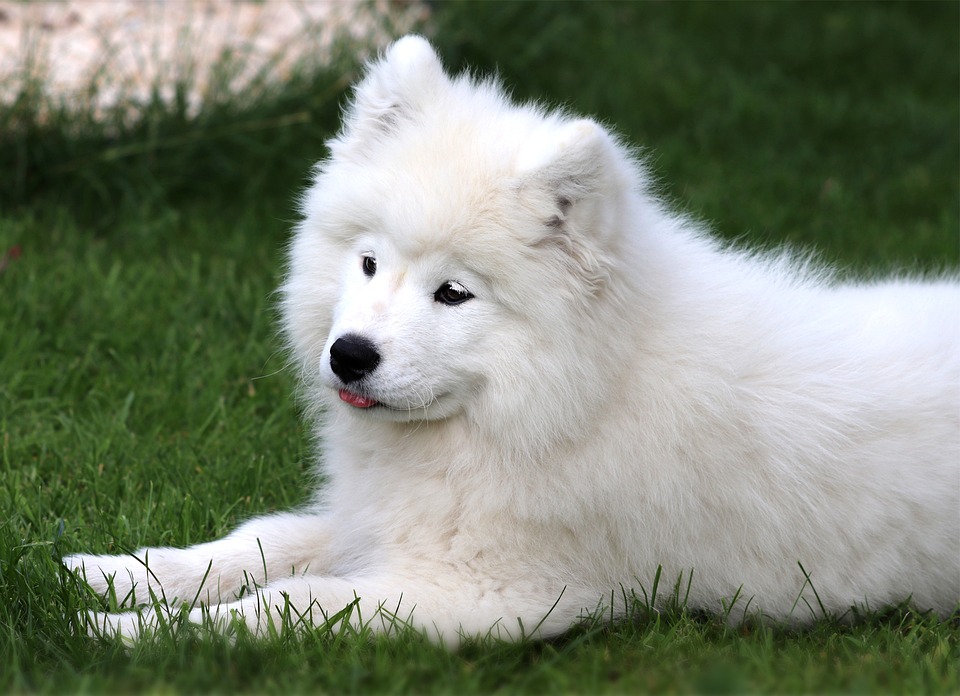
The Joy of Owning a Samoyed: Care Tips for Happy Pups!
The Samoyed is a breed that turns heads with its striking white coat and infectious smile. Recognized for their fluffy appearance and friendly disposition, Samoyeds have charmed dog enthusiasts for centuries. Let’s dive into the joys of owning a Samoyed, including their history, personality traits, grooming needs, health considerations, and more.
Overview of the Samoyed Breed
History of the Samoyed
The Samoyed breed originates from Siberia and was developed by the Samoyede people, who relied on these dogs for herding reindeer, pulling sleds, and companionship. Known for their stamina and strong work ethic, Samoyeds helped their human counterparts endure harsh Arctic conditions. Their history as working dogs has shaped their sociable and loyal nature.
Temperament and Personality Traits
Samoyeds are known for their cheerful and gentle temperament. They are friendly, alert, and simply love being around people. These dogs thrive on companionship, making them ideal family pets. Although they can be independent as a working breed, they typically display loyalty and affection toward their owners and families.
Friendly: Samoyeds are known for their social nature, making them great companions for families, children, and even other pets.
Playful: With a natural love for play, these pups enjoy interactive games that stimulate both their minds and bodies.
Intelligent: Highly trainable, Samoyeds respond well to positive reinforcement techniques, making them wonderful candidates for obedience training.
Grooming Needs
One of the most notable aspects of owning a Samoyed is the grooming. Their beautiful double coat is thick and fluffy, requiring regular care:
- Brushing: Samoyeds shed year-round, with heavier shedding occurring twice a year. Brush your Samoyed at least 2-3 times a week to manage shedding and prevent matting.
- Bathing: They need baths approximately once every few months or as they get dirty to maintain their coat’s cleanliness and natural oils.
- Nail Trimming: Regular nail trims are essential as they can become overgrown and cause discomfort.
Health Considerations
Samoyeds are generally healthy dogs but are prone to certain health issues. Regular vet check-ups, a balanced diet, and proper exercise can help maintain their health. Common health concerns include hip dysplasia, progressive retinal atrophy, and cardiac issues.
Suitability for Different Households
Samoyeds are adaptable but require ample space and companionship to thrive. They do well in households with a yard or access to outdoor areas for play. While they can live in apartments, they need frequent exercise and social interaction. Families with children will find Samoyeds to be especially loving and patient.
Care Tips for Samoyeds
Training and Socialization
-
Early Training: Start training your Samoyed as a pup. Utilize positive reinforcement methods and be consistent with commands to foster good behavior.
-
Socialization: Expose your Samoyed to various social settings, including parks, playgrounds, and encounters with other animals. This helps develop their friendly disposition.
-
Mental Stimulation: Engage your dog with toys, puzzles, and games. Mental stimulation is as vital as physical exercise for such intelligent breeds.
emotional support animal (ESA)
An Emotional Support Animal (ESA) is a pet that provides companionship and emotional uplift to individuals dealing with mental health conditions. Unlike service dogs, ESAs do not require specific training to perform tasks, but their mere presence can offer significant relief and comfort.
Benefits of Designating Your Pet as an ESA
Pets can have a profound impact on mental and emotional well-being. Many people find comfort, stability, and joy from their furry companions. Here’s how they contribute:
-
Anxiety Reduction: Studies show that interacting with pets can reduce anxiety levels by lowering cortisol (the stress hormone), promoting a sense of calm.
-
Routine and Structure: Caring for a pet introduces routine into daily life, which can be beneficial for individuals struggling with depression.
-
Physical Touch: The simple act of petting a dog or cat can release oxytocin, the “love hormone,” fostering feelings of love and connection.
Real-Life Examples
Many individuals report how their pets have transformed their lives. For instance, a college student struggling with anxiety found solace in her Samoyed. The dog’s playful antics and unconditional love provided her with a source of stability and joy during stressful exam periods. Another example involves an elderly man who adopted a Samoyed to combat loneliness after losing his partner; their bond has brought him renewed happiness.
Key Information
- Breed Overview: Samoyeds are friendly, intelligent, and adaptable but require regular grooming and exercise.
- Training and Socialization: Early training and frequent social interactions are crucial for developing a well-behaved Samoyed.
- emotional support animals: ESAs provide vital emotional companionship to individuals facing mental health challenges.
- Health Considerations: Regular vet visits and a healthy lifestyle can manage potential health issues common in Samoyeds.
How Dogs and Cats Provide Emotional Support
Understanding the Science Behind Pet Benefits
Research shows that the bond between humans and their pets can lead to improved emotional health and mental resilience. Several scientific studies indicate that having a pet can:
-
Lower Stress Levels: Interacting with pets can reduce heart rates and lower blood pressure, making us feel more relaxed.
-
Improve Mood: Owning a pet encourages physical activity; a common antidepressant, exercise, and the joy of companionship both battle depressive symptoms.
-
Decrease Loneliness: Pets provide unwavering companionship that reduces feelings of isolation, which is particularly impactful for seniors or those transitioning through personal struggles.
FAQs About Emotional Support Animals
-
What qualifies a dog to be an ESA?
Any dog can potentially be an ESA, as long as they provide emotional comfort to their owner. -
Do ESAs require specialized training?
No, ESAs do not need specific training; they need to be well-behaved and fit into your lifestyle. -
How can I get documentation for my ESA?
Certification typically involves consulting with a licensed mental health professional who can evaluate your need for an ESA. -
Are there breed restrictions for ESAs?
Generally, there are no breed restrictions, but certain housing situations may require specific breeds to comply with local regulations. -
Can I take my ESA everywhere?
While ESAs have certain protections under some laws, they don’t have the same access rights as service dogs. -
Is there a difference between service dogs and ESAs?
Yes, service dogs are trained to perform specific tasks for individuals with disabilities, while ESAs provide emotional support but are not task-trained.
Conclusion
If you’re considering adding a furry friend to your family, a Samoyed can be a delightful choice. Their joyful disposition enhances daily life, and they can also serve as a loving Emotional Support Animal. To take the next step in solidifying your bond with your pet and consider them for ESA certification, check out Veripaw.org. Since 2012, Veripaw has helped countless pet owners connect with licensed mental health professionals to obtain ESA documentation and offers high-quality pet accessories. Your journey to emotional well-being and happy companionship begins today!


