
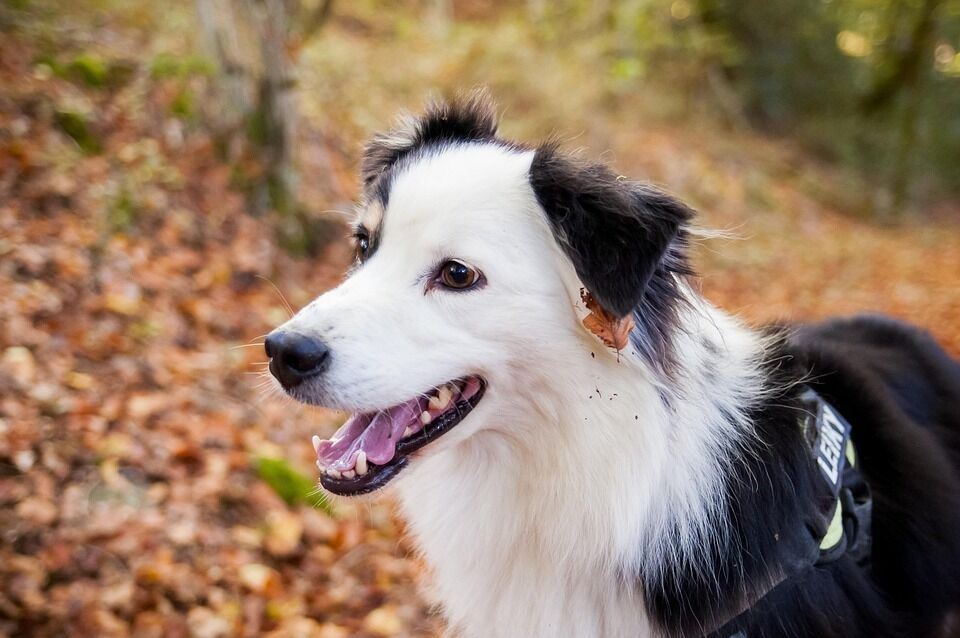
The Energetic Spirit of Australian Cattle Dogs: Traits and Training Insights
Overview of the Australian Cattle Dog
The Australian Cattle Dog (ACD) is a highly energetic and intelligent breed originally developed in the 19th century in Australia. Their primary purpose was to help ranchers manage cattle, which involved herding and driving livestock over vast distances. Often referred to as Blue Heelers or Queensland Heelers, these dogs are known for their strong work ethic and loyal companionship.
History
The breed emerged from the crossing of various dogs, including the Smooth Fox Terrier, the Dingo, and the Collie. By combining these traits, the ACD became an agile and resilient worker, capable of coping with harsh Australian conditions. The breed is recognized by the American Kennel Club (AKC) and has gained popularity for its intelligence and versatility as a loyal companion and working dog.
Temperament and Personality Traits
Australian Cattle Dogs are spirited, alert, and highly trainable. Here are some characteristics that define their temperament:
- Intelligent: These dogs are quick learners, making them excel in obedience training and canine sports.
- Loyal: ACDs bond closely with their families and often become protective guardians.
- Energetic: These dogs require regular physical and mental stimulation. Without adequate exercise, they may exhibit behavioral issues.
- Bold: ACDs can be assertive and confident, making them good watchdogs.
Grooming Needs
Maintaining the coat of an Australian Cattle Dog is relatively simple. Their short, dense coat requires minimal grooming. Regular brushing (about once a week) and occasional baths will help keep their coat healthy and free of dirt. Additionally, regular nail trimming and dental care are essential for overall health.
Health Considerations
Like many breeds, Australian Cattle Dogs are prone to certain health conditions, including hip dysplasia, progressive retinal atrophy (PRA), and hearing issues. These conditions underline the importance of sourcing your ACD from a reputable breeder who conducts health screenings. Regular vet check-ups and a well-balanced diet can also contribute to a longer, healthier life.
Suitability for Different Households
ACDs thrive in active households where they can participate in outdoor activities and spend time with their families. They may not be the best fit for individuals looking for a low-maintenance lap dog. Families with children can benefit from the ACD’s playful nature, but supervision is essential due to their herding instincts, which may lead them to “herd” kids or other pets.
Training and Socialization Tips
Training
Training an Australian Cattle Dog involves a consistent, positive approach. Here are some effective tips:
- Use Positive Reinforcement: Reward-based training works wonders with ACDs, who respond well to treats and praise.
- Start Early: Begin training and socialization as early as 8 weeks old to ensure your ACD grows into a well-mannered adult.
- Keep Sessions Short: Due to their high energy levels, short, engaging training sessions will keep your ACD focused and excited.
- Incorporate Fun: Use games, agility courses, or even fetch to make training enjoyable.
Socialization
Socializing your ACD with various people, pets, and environments will help them grow into a well-rounded companion. Early exposure to different sounds, sights, and experiences will help reduce fear and anxiety in new situations.
Understanding emotional support animals (ESA)
What is an ESA?
An emotional support animal (ESA) is a pet that provides comfort and support to individuals facing emotional or psychological challenges. Unlike service dogs, which are trained to perform specific tasks for individuals with disabilities, ESAs provide emotional comfort through companionship.
Benefits of Designating Your Pet as an ESA
Designating your pet as an ESA can provide numerous benefits, such as:
- Emotional Support: Pets can help alleviate feelings of stress, loneliness, and anxiety.
- Accessibility: ESAs may accompany their owners in various housing situations and on flights, providing crucial companionship.
- Boosted mental health: Many people find that the presence of an ESA can enhance their overall emotional stability and well-being.
Real-Life Examples
People facing anxiety disorders often find that the presence of their dog helps them cope with stressful situations, like public speaking or social gatherings. Similarly, individuals suffering from depression can experience improved moods and reduced feelings of isolation due to their pet’s companionship and affection.
How Dogs and Cats Provide Emotional Support
The Science Behind It
Research shows that interacting with pets can lead to the release of oxytocin, often called the “love hormone.” This hormone elevates mood and can lower cortisol levels, reducing stress and anxiety. A pet’s unconditional love and non-judgmental presence can improve emotional health, making individuals feel more secure and grounded.
Psychology of Pets and Emotional Well-Being
Pets provide routine, companionship, and an outlet for affection. Caring for a pet can add purpose to one’s life, combat loneliness, and enhance social interactions—everything that helps build emotional resilience.
Key Information
- Breed Overview: Australian Cattle Dogs are loyal, energetic, and intelligent.
- Training Tips: Use positive reinforcement, keep sessions short, and incorporate fun.
- Health: ACDs can face hip dysplasia and vision issues; regular vet check-ups are necessary.
- EMAs: They provide comfort and emotional support, enhancing mental health.
- Benefits: ESAs offer companionship, accessibility, and aid in reducing anxiety and depression.
Frequently Asked Questions about Emotional Support Animals
-
What qualifies a pet as an ESA?
An ESA must provide emotional support to a person struggling with mental health issues, and it typically requires a letter from a licensed therapist or mental health professional. -
Can any animal be an ESA?
While dogs and cats are the most common ESAs, any animal could technically qualify, provided they offer emotional support and an individual has the appropriate documentation. -
Do I need special training for my ESA?
Unlike service animals, ESAs do not require specialized training. Basic obedience and good behavior are beneficial. -
Can ESAs go anywhere with me?
ESAs have some legal protections that allow them to live with their owners in housing that may not otherwise allow pets. However, they may not have the same access as service animals in public spaces. -
Do I need to register my ESA?
ESAs do not need to be registered, but obtaining a letter from a licensed mental health professional is recommended for legal recognition.
Conclusion
The Australian Cattle Dog’s energetic spirit makes them not only incredible companions but also potential Emotional Support Animals for those in need. If you’re considering the emotional benefits of pet ownership, we encourage you to explore the idea of designating your furry friend as an ESA. For those looking for a trusted resource, Veripaw.org has been connecting pet owners with licensed mental health professionals since 2012. They help with obtaining ESA documentation and provide access to quality pet accessories, ensuring your journey to emotional well-being is supported from start to finish. Don’t hesitate—help your pet become the support you need today!

