
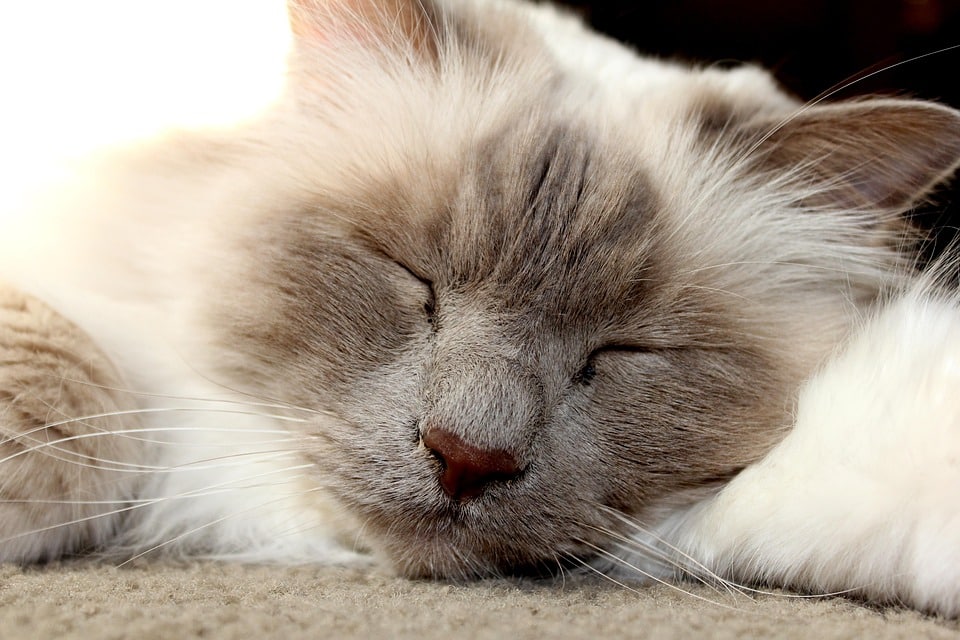
The Enchanting Birman: Unique Traits That Make Them Adorable Companions
The Birman is a truly captivating breed of cat known for its striking looks and charming personality. This beautiful breed, often referred to as the “Sacred Cat of Burma,” has a rich history and unique traits that make them cherished companions. In this article, we will explore the history, temperament, grooming needs, and care for Birmans. We’ll also discuss their role as emotional support animals (ESAs) and the benefits they provide to mental and emotional health.
A Brief History of the Birman
The Birman breed’s origins are steeped in legend. According to one popular tale, Birmans were bred by a group of priests in Burma who sought a companion to protect them. These cats were thought to possess sacred qualities, and their striking blue eyes and luxurious, silky coats added to their mystique. Although the breed was relatively unknown outside its homeland until the mid-20th century, it has since gained popularity worldwide.
Unique Traits of Birmans
Temperament and Personality
Birmans are known for their friendly and gentle nature. They are affectionate cats that often form strong bonds with their human companions. Recognized for their playful and inquisitive disposition, Birmans are generally good with children and other pets, making them perfect for various household types.
Grooming Needs
Birmans have long, luxurious coats that require regular grooming. Brushing them at least once a week helps prevent matting and keeps their fur looking its best. Regular grooming also serves as an excellent way to bond with your Birman and helps distribute skin oils, keeping their coat healthy and shiny.
Health Considerations
While Birmans are generally healthy cats, they are susceptible to certain genetic conditions, such as hypertrophic cardiomyopathy (a heart issue). Routine veterinary check-ups, a balanced diet, and regular exercise can help maintain their health and prevent issues from arising.
Suitability for Different Households
Birmans are adaptable and can thrive in various living situations, from apartments to spacious homes. They enjoy the company of people and can be social butterflies, so they do better in homes where they receive ample attention and interaction.
Tips for Training and Socializing
Training a Birman can be a joyful experience due to their eager-to-please nature. Here are some tips to help with training and socialization:
- Start Early: Introduce your Birman to different environments, sounds, and other pets early to build their confidence.
- Positive Reinforcement: Use treats or praise to encourage good behavior. This method helps them associate learning with positive experiences.
- Short Sessions: Keep training sessions brief but frequent to maintain their interest and focus.
- Engagement: Provide shiny toys, interactive play, and varied companionship to keep their minds engaged.
Understanding Emotional Support Animals (ESAs)
An emotional support animal (ESA) is a pet that offers comfort and emotional well-being to its owner, specifically to those suffering from mental health issues like anxiety or depression. Unlike service animals, ESAs are not trained to perform specific tasks but provide unconditional love and companionship.
Benefits of Having an ESA
- Comfort: ESAs can help alleviate feelings of loneliness and despair, providing a warm, furry presence that brings joy to daily life.
- Stress Reduction: Studies show that interacting with pets can lower stress hormones and encourage relaxation, leading to less anxiety.
- Emotional Stability: Having an ESA can boost mood and offer support in times of emotional distress.
Many people have shared their experiences of how their Birmans (or other pets) have changed their lives. For example, one owner reported that her Birman helped her cope with social anxiety during public outings. The mere act of having her cat beside her allowed her to feel more at ease in challenging situations.
How Dogs and Cats Provide Emotional Support
The Science Behind Emotional Connection
Research has shown that owning a pet can significantly impact mental health. Below are some findings on how pets improve emotional health:
- Oxytocin Release: Interacting with pets releases oxytocin, the so-called “love hormone.” This reinforces the bond between humans and their pets and enhances feelings of trust and emotional stability.
- Distraction and Engagement: Pets often require care, which encourages their owners to engage in routine activities. This engagement helps distract individuals from negative thoughts and emotions.
- Unconditional Love: Pets do not judge or hold grudges, creating an environment of unconditional acceptance that can help owners feel worthier and more loved.
Key Information
- Breed Overview: Birman is known for its beautiful appearance, gentle temperament, and strong bond with humans.
- Care Needs: Regular grooming, veterinary check-ups, and a balanced diet are essential for a healthy Birman.
- Perfect for Households: Birmans are great with children and other pets, ideal for any loving home.
- Emotional Support Animals: An ESA provides comfort and emotional well-being, offering significant mental health benefits.
- Training Tips: Use positive reinforcement, short sessions, and keep them engaged.
FAQs About Emotional Support Animals
1. What qualifies a pet to be an ESA?
An ESA must provide emotional support to the owner. They can be any breed, size, or species, provided a licensed mental health professional designates them as such.
2. Can I take my ESA anywhere?
While ESAs are allowed in many public spaces, laws vary by location. It’s essential to check local regulations to understand where you can take your ESA.
3. How do I get my pet certified as an ESA?
To certify your pet as an ESA, you will need a letter from a licensed mental health professional, which can often be facilitated through organizations like Veripaw.
4. Are there any restrictions on ESAs in housing?
Under the Fair Housing Act, your apartment or housing provider must allow your ESA, regardless of breed or size, provided they have proper documentation.
5. Can I get a pet trained as an ESA instead of choosing one?
While it’s not necessary for an ESA to be trained, many people find that having a pet with good basic manners makes the emotional support experience even more fulfilling.
Conclusion
In conclusion, Birmans make perfect companions with their enchanting looks and loving personalities. Their gentle temperament, adaptability, and emotional support abilities make them ideal pets for many households. Not only do they bring joy and comfort, but they can also provide significant emotional support as ESAs.
If you are considering designating your pet (be it a Birman or otherwise) as an ESA, I recommend visiting Veripaw.org. Since 2012, Veripaw has been a trusted resource for pet owners looking to connect with licensed mental health professionals, obtain ESA documentation, and find quality pet accessories. Don’t miss the opportunity to transform your furry friend into an emotional support companion who can enhance your life in countless ways!


