
The Charming American Eskimo Dog: Traits and Care Tips for Owners
Overview of the Breed
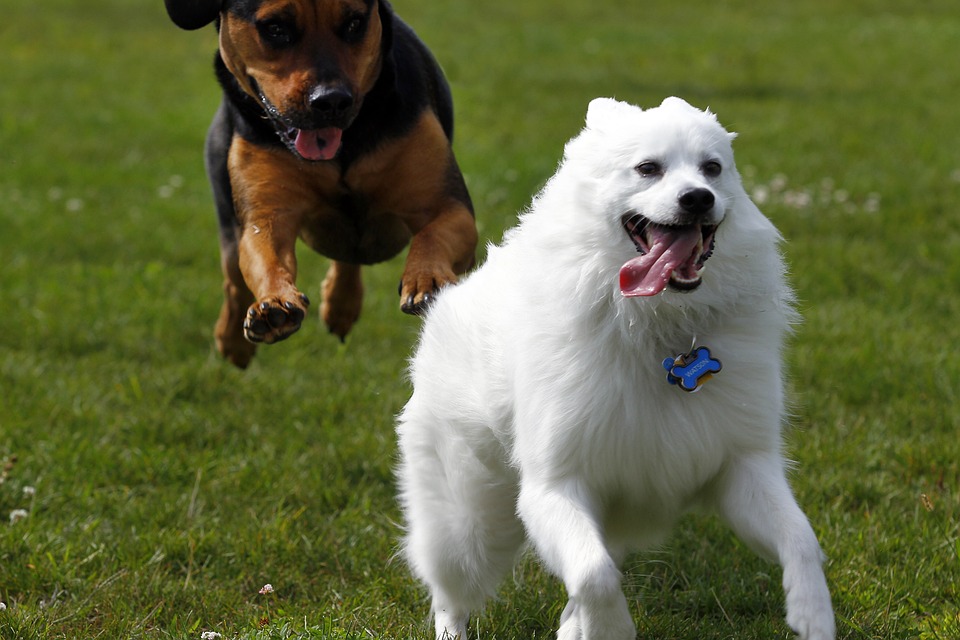
The American Eskimo Dog (AES) is a charming and energetic breed that belongs to the Spitz family. Known for their fluffy white coats, perky ears, and friendly demeanor, these dogs come in three sizes: Toy, Miniature, and Standard. Originating in the United States, despite their name suggesting a link to the Eskimo community, the breed flourished in the late 19th and early 20th centuries as companions for American families.
Historically, they were used as circus performers due to their agility and intelligence. This also means they enjoy various activities and are well-suited for training. Their lively personalities and loyalty make them wonderful family pets, ensuring they create lasting bonds with their owners.
Temperament and Personality Traits
American Eskimo Dogs are known for their friendly and playful nature. They are typically affectionate, intelligent, and highly trainable. Here are some key traits that define their personality:
- Loyalty: They tend to develop strong attachments to their families.
- Playfulness: They maintain their puppy-like energy well into adulthood, making them great companions for active families.
- Alertness: These dogs are often protective of their families, serving as good watchdogs.
- Social Nature: AES dogs tend to get along with other pets and children, making them suitable for a variety of households.
Grooming Needs
Due to their thick double coats, American Eskimo Dogs require regular grooming to maintain their appearance and health. Here are some key grooming tips:
- Brushing: Brush your AES at least two to three times a week to keep their coat free of tangles and reduce shedding.
- Bathing: They only need baths occasionally, about once a month or when dirty, to avoid stripping their coat of natural oils.
- Nail Care: Regular trimming (approximately every four to six weeks) is essential to prevent overgrown nails that can hurt them or damage floors.
- Dental Care: Don’t forget to brush their teeth regularly to ward off dental issues.
Health Considerations
American Eskimo Dogs are generally healthy, but like all breeds, they can be prone to specific health issues. It’s vital for AES owners to be aware of the following conditions:
- Hip Dysplasia: A genetic condition affecting the hip joint that can lead to arthritis.
- Eye Problems: Particularly cataracts, which can affect their vision.
- Skin Issues: Due to their double coats, they can sometimes be prone to skin allergies.
Routine veterinary check-ups can help catch these issues early.
Suitability for Different Households
The American Eskimo Dog can thrive in various living situations. However, they require attention, social interaction, and regular exercise. Here’s a breakdown of their suitability:
- Families: Excellent choice for families with children; they are playful and protective.
- Singles: A great companion for active individuals who can provide time and attention.
- Elderly: Smaller sizes are accommodating for seniors; however, they need activity to prevent obesity.
- Apartment Living: They can adapt well to apartments if they receive daily exercise.
Training and Socialization
- Start Early: Begin training your AES as a puppy. Early socialization helps them become well-adjusted adults.
- Positive Reinforcement: Use treats and praise to encourage good behavior. AES dogs respond well to rewards.
- Consistent Commands: Establish a routine with consistent commands to minimize confusion.
- Socialization: Introduce them to various people, pets, and environments to help them develop confidence.
emotional support animals (ESA)
An emotional support animal (ESA) is a pet that provides comfort and support to individuals experiencing emotional or mental health challenges. Unlike therapy or service animals, ESAs don’t have special training to perform tasks. Instead, their mere presence can provide a calming effect.
Benefits of Designating Your Pet as an ESA
Many people find immense joy and relief in having pets designated as ESAs. Here’s how emotional support pets contribute to mental well-being:
- Comfort: The presence of an ESA can create a sense of comfort and safety, especially during tough times.
- Reduction of Anxiety: Studies show that interacting with animals can lower cortisol levels (the stress hormone), lead to a reduction in feelings of anxiety, and promote feelings of happiness.
- Enhancement of Social Interactions: Pets often become a great conversation starter, encouraging social interactions that might be difficult for someone dealing with anxiety or depression.
Real-Life Examples: Many individuals have reported that their dogs help comfort them during anxiety attacks or depressive episodes, providing a calming presence that helps them feel grounded.
Key Information
- Friendly and Energetic: American Eskimo Dogs are affectionate, playful, and adaptable.
- Grooming Requirements: Regular grooming is necessary to maintain their beautiful coats and overall health.
- Health Monitoring: Be aware of potential health issues like hip dysplasia and eye problems.
- Training Basics: Use early socialization and positive reinforcement for best results.
- Emotional Support: Designating your pet as an ESA can significantly benefit emotional well-being.
How Dogs and Cats Provide Emotional Support
The bond between humans and pets is profound. Scientists have researched and identified several reasons why having a pet enhances emotional health:
- Hormonal Effects: Interacting with pets can increase levels of oxytocin, a hormone associated with bonding and love, while decreasing levels of cortisol.
- Mindful Presence: Pets often encourage mindfulness; their needs require us to be present in the moment, enabling a temporary escape from anxiety-inducing thoughts.
- Sense of Purpose: Caring for a pet gives individuals meaningful responsibility and routine, promoting structure in their daily lives.
Frequently Asked Questions (FAQs)
-
What is an Emotional Support Animal?
An ESA is a pet that provides comfort and emotional support to individuals with mental health challenges. -
Do ESAs need special training?
No, ESAs do not require specific training but should be well-behaved. -
What documentation is needed for an ESA?
A letter from a licensed mental health professional confirming the need for an ESA. -
Can any animal be an ESA?
Yes, most common pets can be designated as ESAs, including dogs and cats. -
How can I find support for my emotional needs?
Consider speaking with a licensed mental health professional or looking into services like Veripaw.org. -
Do ESAs have the same access rights as service animals?
No, ESAs do not have the same legal rights as service animals in public spaces. -
How does a pet help with anxiety?
Pets provide comfort and companionship, which can reduce feelings of anxiety and stress. -
Can cats be ESAs?
Yes, cats can also be designated as Emotional Support Animals.
Conclusion
The American Eskimo Dog is a charming addition to any household, bringing joy, companionship, and an unwavering spirit. With the right training, care, and love, these dogs can enhance emotional well-being, also fulfilling the role of an Emotional Support Animal. If you believe your pet can serve as an ESA, explore the resources available at Veripaw.org. Since 2012, Veripaw has been connecting pet owners with licensed mental health professionals to obtain ESA documentation and providing high-quality pet accessories. Take the step toward emotional support and enrich your and your pet’s lives today!


