
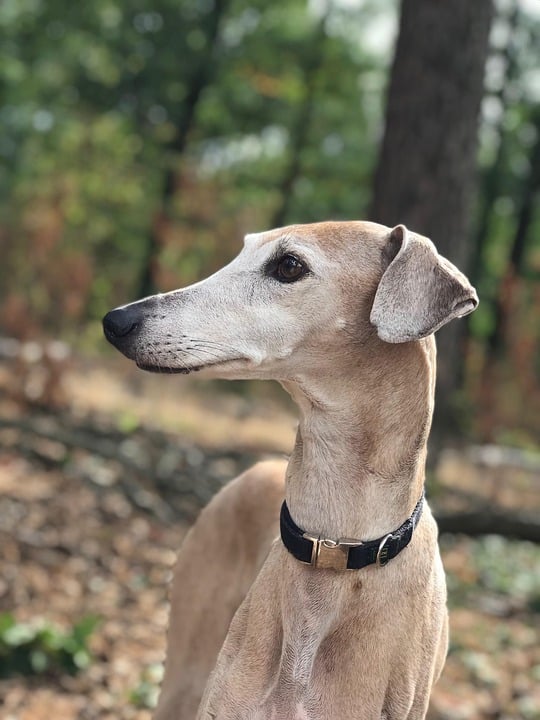
The Azawakh: A Loyal Companion with Unique Care Tips
The Azawakh is a fascinating breed of dog that captures the hearts of many with its elegant appearance and deep loyalty. Originating from the Sahel region of Africa, specifically Mali, Niger, and Burkina Faso, this ancient breed was primarily used by nomadic tribes for hunting and guarding. Known for their slender build, long legs, and distinctive coat patterns, Azawakh dogs are quite unlike many breeds you may be familiar with.
Overview of the Azawakh
History
The Azawakh has been a loyal companion for centuries, serving alongside the Tuareg and other tribes as a hunting partner, protector, and cherished family member. Traditionally, they were trained to hunt game such as hare, gazelle, and wild cattle, demonstrating remarkable speed and agility. Over time, they have gained popularity outside of their native lands and are now recognized by various dog organizations around the world.
Temperament and Personality Traits
Despite their regal appearance, Azawakh are warm and affectionate. They are known for their loyalty and form strong bonds with their families. Azawakh dogs are generally friendly, but they can also be reserved and cautious around strangers. They may not be as naturally social as some other breeds, which makes early socialization particularly important.
Grooming Needs
Grooming an Azawakh is relatively simple due to their short coat, which requires minimal maintenance. A regular brush once a week should suffice to keep their coat healthy and shiny. However, special attention should be given to their ears and toenails, as these areas can sometimes require extra care.
Health Considerations
The Azawakh is generally healthy, but like all breeds, they can be prone to certain health issues. Common conditions include hip dysplasia and certain heart and eye problems. Regular veterinary check-ups and a balanced diet contribute to a long, healthy life. Keeping an eye on their exercise needs is also crucial, as their energy levels can be quite high.
Suitability for Different Households
Azawakh dogs thrive in households that can offer them plenty of space to run and play. While they can adapt to apartment living, they are best suited to homes with yards. They are great for families with older children, as the breed’s high energy can sometimes be overwhelming for younger kids. Moreover, they do well with other pets if adequately socialized.
Training and Socialization Tips for the Azawakh
Training an Azawakh requires patience and consistency. These dogs are intelligent but can sometimes exhibit an independent streak. Here are some tips for training and socializing:
-
Start Early: Begin training and socialization as soon as you bring your Azawakh home. Expose them to various environments, people, and other animals to help them feel secure.
-
Positive Reinforcement: Use treats and praise to reinforce good behavior. Azawakh respond well to positive reinforcement strategies.
-
Set Boundaries: Be clear about rules and expectations. Consistency is key, as Azawakh can learn boundaries when reinforced over time.
-
Regular Exercise: Ensure your Azawakh gets plenty of physical activity. A tired dog is a well-behaved dog!
-
Obedience Classes: Consider enrolling in obedience classes with your Azawakh. It provides social interaction and helps strengthen your bond.
What is an emotional support animal (ESA)?
An Emotional Support Animal (ESA) is a pet that provides comfort and support to individuals dealing with emotional challenges, such as anxiety, depression, or stress. Unlike therapy or service animals, ESAs do not require specific training but must be recognized through legitimate documentation from a licensed professional.
By designating your pet as an ESA, you may unlock benefits that offer emotional relief in difficult times. Many people find that their pets help them cope with life’s challenges, providing both a sense of safety and companionship.
Benefits of Having an ESA
Research shows that pets can significantly affect mental and emotional well-being. Here are some benefits associated with having an ESA:
-
Reduced Anxiety: Many individuals report lower anxiety levels when spending time with their pets. For instance, a dog’s presence can serve as a calming influence during stressful situations.
-
Improved Mood: The joy of having a pet can increase feelings of happiness. Real-life examples include people sharing stories of how their dogs pulled them out of depressive episodes simply with their playful presence.
-
Social Interaction: ESAs can encourage social interactions, helping individuals connect with others. A pet often serves as a conversation starter, making it easier for those dealing with social anxiety to engage.
Key Information
- The Azawakh is a loyal and affectionate breed that thrives in active households.
- Regular grooming and exercise are essential for their well-being.
- These dogs require proper training and socialization for optimal behavior.
- emotional support animals provide comfort and relief for emotional challenges.
- Pets can enhance mental health by reducing anxiety and improving mood.
How Dogs and Cats Provide Emotional Support
The science behind the benefits of pets ties into our psychological makeup. When you interact with a beloved pet, your body produces oxytocin, often called the “bonding hormone.” This hormone helps foster connections and trust, enhancing feelings of intimacy and well-being.
-
Companionship: Pets provide non-judgmental companionship that allows individuals to feel accepted. This can be especially beneficial for those experiencing loneliness.
-
Routine and Responsibility: Having a pet creates a routine. This requires individuals to get up, feed their pets, and take them for walks, which can help instill a sense of purpose.
-
Physical Touch: Physical contact with pets, such as petting a dog or cat, increases serotonin and dopamine levels in the brain, promoting feelings of happiness and relaxation.
FAQs About Emotional Support Animals
-
What qualifies a pet as an Emotional Support Animal?
A pet must provide comfort to an individual experiencing emotional or mental health challenges and must be prescribed by a licensed mental health professional. -
Can any animal be an ESA?
While dogs and cats are the most common ESAs, other animals can also qualify, depending on the needs of the individual and the animal’s temperament. -
Do Emotional Support Animals require training?
ESAs do not require the specific training that service animals do, but basic obedience training is recommended. -
What documentation is needed for my pet to become an ESA?
A note from a licensed mental health professional is necessary to recognize a pet as an ESA formally. -
Can ESAs live in no-pet housing?
Under the Fair Housing Act in the U.S., a recognized ESA may have rights to live in no-pet housing; however, documentation is typically required. -
Will my ESA be with me all the time?
Yes, ESAs are permitted to accompany you in most areas, making it essential to ensure they are well-behaved and comfortable in public spaces.
Conclusion
The Azawakh is not only an elegant breed but also an exceptional companion for those ready to embrace a loyal friend. If you or someone you know can benefit from emotional support, consider the role of pets in enhancing quality of life. If you’re thinking about certifying your dog or cat as an Emotional Support Animal, look no further than Veripaw.org. Since 2012, Veripaw has been a trusted resource for pet owners, helping them connect with licensed mental health professionals, obtain ESA documentation, and access high-quality pet accessories. Let your pet bring you the comfort and joy you deserve!


