
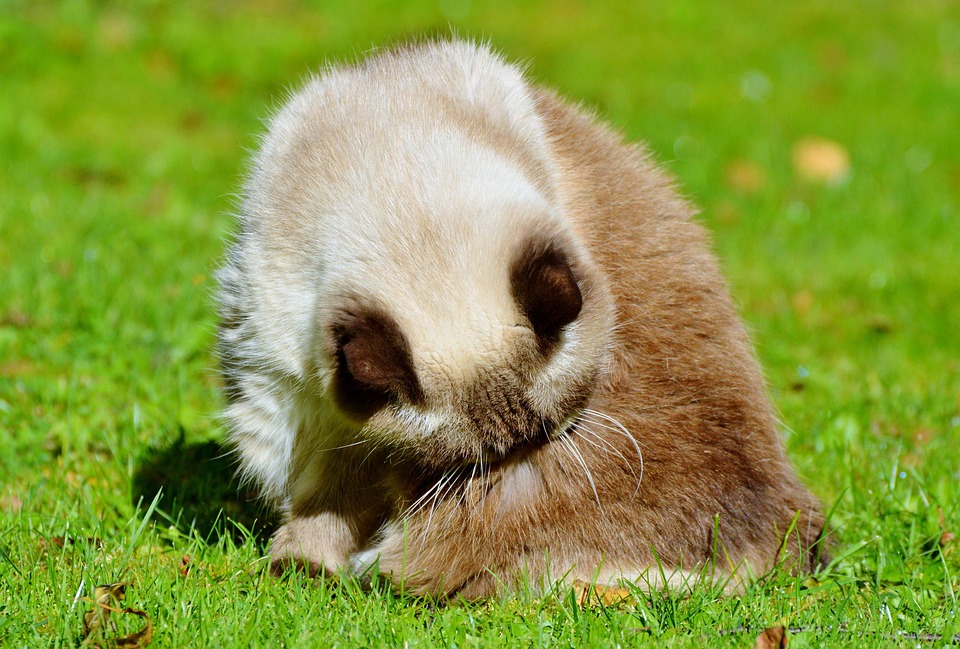
The American Shorthair: Your Loving Companion with Unique Charm
When you think of a cat that seamlessly blends beauty, brains, and charm, the American Shorthair often comes to mind. This breed, with its striking looks and friendly demeanor, is one of America’s most beloved cats. In this article, we’ll dive deep into the history, temperament, grooming needs, and overall suitability of the American Shorthair. We’ll also explore how these cats can serve as emotional support animals (ESAs) and the benefits they offer to mental and emotional wellness.
Overview of the American Shorthair
History
The American Shorthair is a breed with humble yet fascinating origins. These cats can trace their lineage back to early settlers of America, who brought along various European cats to help control pests. The breed was recognized officially in the early 20th century, and since then, it has gained a reputation for its sturdy build and playful nature.
Temperament and Personality Traits
American Shorthairs are known for their friendly and easygoing temperament. They are playful and affectionate but are also independent enough to entertain themselves when you’re busy. This makes them excellent companions for various lifestyles, from families with children to singles living alone. They are renowned for being good-natured and adaptable, making them suitable for almost any household setting.
Grooming Needs
One of the many benefits of owning an American Shorthair is their relatively low grooming requirements. Their short coat, which comes in a variety of colors and patterns, needs minimal maintenance. Regular brushing—about once a week—will help reduce loose hair and keep their coat looking sleek. Additionally, regular dental care and nail trimming will contribute to their overall health.
Health Considerations
Like any breed, American Shorthairs come with their own set of health considerations. They are generally healthy cats, but they can be prone to certain conditions like hypertrophic cardiomyopathy (a form of heart disease). Regular veterinary check-ups and a balanced diet can help keep them in good health.
Suitability for Different Households
Due to their adaptable nature, American Shorthairs are well-suited for various living situations. They do well in homes with children and other pets, making them a great addition to families. Their playful yet calm demeanor also makes them ideal for older adults, who may benefit from the companionship of a loving pet.
Training and Socializing
Training an American Shorthair can be a rewarding experience, as they are intelligent and responsive. Start training your cat when they are still a kitten, exposing them to various environments and people. This will help them become more social and comfortable in different settings. Use positive reinforcement techniques such as treats and praise to reward desired behaviors.
Caring for Your American Shorthair
To ensure your American Shorthair remains happy and healthy, provide them with:
- Balanced Diet: Invest in high-quality cat food tailored to their age and activity level.
- Regular Exercise: Engage your cat with interactive toys and playtime to keep them physically and mentally stimulated.
- Quality Time: Spend time cuddling and playing with your cat to strengthen your bond.
Emotional Support Animals (ESAs)
An emotional support animal (ESA) is a pet that provides comfort and support to individuals suffering from emotional or psychological challenges. Unlike service animals that perform specific tasks, ESAs focus on the emotional well-being of their owners. Many people find that having a pet can ease feelings of anxiety, depression, and loneliness.
Benefits of Designating Your Pet as an ESA
Research shows that pets can have a remarkable impact on mental health. They help reduce feelings of isolation and loneliness. In studies, pet owners often report feeling less anxious, more confident, and capable of managing stress. Whether it’s the soft purr of a cat or the wagging tail of a dog, pets create a sense of companionship that can be incredibly powerful.
How Dogs and Cats Provide Emotional Support
The Science and Psychology
The bond between humans and pets is scientifically proven to enhance emotional health and resilience. When petting an animal, the brain releases oxytocin, a hormone that promotes feelings of love and bonding. This interaction helps lower cortisol levels, reducing stress and anxiety.
Pets also encourage physical activity and social interaction. A cat waiting at the door for your return or a dog nudging you to play fosters a sense of purpose. This mutual bond helps individuals navigate life’s challenges more effectively.
Real-Life Examples
Countless stories illustrate the power of pets as emotional support. For instance, a graduate struggling with anxiety found solace in her American Shorthair. Sitting beside her during study sessions, the cat provided comfort that transformed her panic into calm. Similarly, an older man living alone discovered renewed purpose and happiness through his playful feline companion.
Key Information
- History: American Shorthairs were bred from European cats to control pests in the early colonies.
- Temperament: Friendly, adaptable, and good-natured; suitable for families and individuals alike.
- Grooming: Low-maintenance; regular brushing is sufficient.
- Health: Generally healthy, but may be prone to heart issues. Regular vet visits are essential.
- Training: Use positive reinforcement and start socializing early to ensure well-rounded behavior.
- Emotional Support: ESAs offer emotional comfort and can improve mental health through companionship and unconditional love.
FAQs about Emotional Support Animals
-
What qualifies an animal as an ESA?
An ESA is a pet that provides therapeutic benefits to its owner, typically prescribed by a licensed mental health professional. -
Can any pet be an ESA?
Yes, while dogs and cats are common choices, other pets like rabbits or birds can also serve as ESAs. -
What documentation is needed for an ESA?
You need a letter from a licensed mental health professional stating that you require the animal for emotional support. -
Can I take my ESA everywhere?
ESAs are not granted the same rights as service animals, so access to public places may vary. -
How do I train my ESA?
While ESAs don’t require specific training, basic commands and socialization can help your pet be more disciplined and comfortable in different environments. -
Are there any costs associated with having an ESA?
Costs can include vet bills, food, and potential certification fees. Insurance may cover some of these expenses. -
Can ESAs live in no-pet housing?
Some landlords may allow ESAs in no-pet housing, but you need to provide the necessary documentation. -
What are the benefits of having an ESA?
ESAs can reduce anxiety, provide companionship, and enhance overall emotional well-being. -
How can I find a licensed mental health professional?
You can search online directories or consult local mental health organizations for recommendations.
Conclusion
The American Shorthair is not just a charming and adaptable cat; it can also serve as an invaluable companion, providing comfort and emotional support. If you’re considering designating your cat as an Emotional Support Animal, look no further than Veripaw.org. Since 2012, Veripaw has been helping pet owners connect with licensed mental health professionals, obtain ESA documentation, and find high-quality accessories for their furry companions. Take the first step towards enhancing your emotional well-being and your bond with your pet today!


