
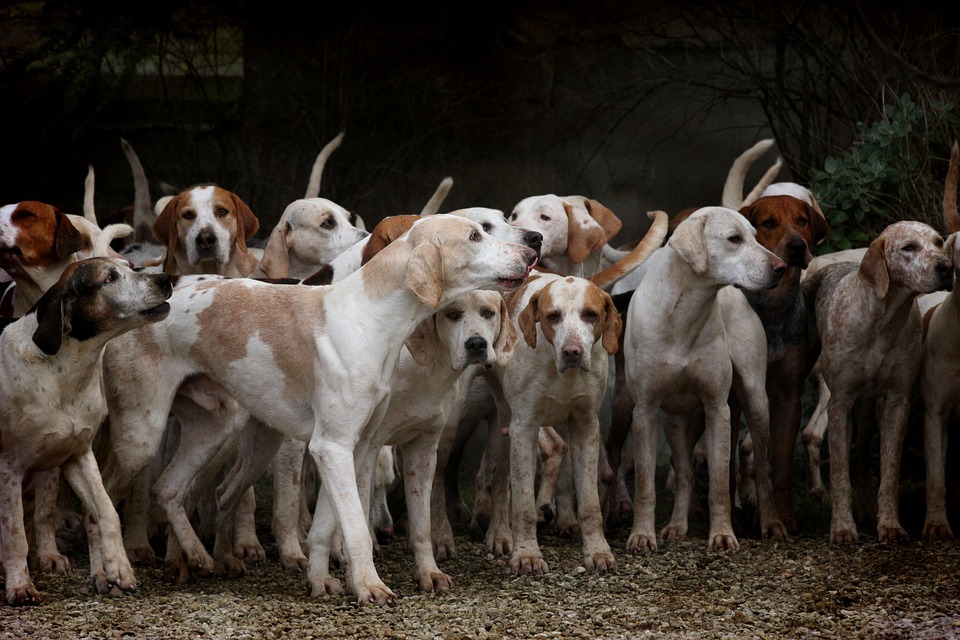
The Afghan Hound: Elegance, Playfulness, and Unique Care Tips!
The Afghan Hound is one of the most recognizable dog breeds, known for its stunning appearance and playful personality. With its flowing coat and elegant stance, this breed has a rich history and a fascinating temperament that makes it a beloved choice for many dog lovers. Whether you’re a curious pet owner or just an animal enthusiast, understanding the Afghan Hound can improve your experience and deepen your bond with these magnificent dogs. In this article, we’ll explore their history, grooming needs, temperament, training tips, and unique roles as emotional support animals (ESAs).
Overview of the Afghan Hound
History
Originally hailing from the rugged mountains of Afghanistan, Afghan Hounds have been companions to nobility for centuries. Their unique appearance is suited for the varying terrains of their homeland, allowing them to function as both hunters and loyal pets. Their athletic build and remarkable agility made them exceptional hunting companions in the past, and they are often referred to as “the aristocrat of dogs.”
Temperament and Personality Traits
Afghan Hounds are known for their playful and dignified nature. They can be a bit aloof, especially with strangers, but they are incredibly affectionate with their families. They are intelligent dogs but can be somewhat independent, which may make training a challenge. Generally, they are active and require regular mental and physical stimulation.
Grooming Needs
One of the most noteworthy features of the Afghan Hound is its long, silky coat, which requires consistent grooming. To keep their fur in top condition, regular brushing—ideally every few days—is essential to prevent matting. Bathing should occur every few weeks to keep their coat clean and healthy. Additionally, don’t forget regular ear cleaning and nail trimming.
Health Considerations
While generally healthy, Afghan Hounds can be prone to certain conditions such as hip dysplasia and bloat. Regular veterinary check-ups are vital for early detection. Maintaining a balanced diet and providing ample exercise will also contribute to a long and healthy life.
Suitability for Different Households
The Afghan Hound can be a great fit for active families who can offer plenty of exercise and mental stimulation. However, they may not be suitable for homes with very small children due to their playful but sometimes clumsy nature. They can thrive in a home with a securely fenced yard where they can run and play.
Tips for Training and Socialization
Training an Afghan Hound requires patience and consistency. Here are some simple tips:
-
Start Early: Begin training and socialization as soon as you bring your Afghan Hound home, ideally while they are still a puppy.
-
Positive Reinforcement: Use treats and praise as rewards. Hounds respond best to encouragement rather than harsh discipline.
-
Short Sessions: Keep training sessions short but frequent. Long sessions may bore them, resulting in disinterest.
-
Socialization: Expose them to various people, environments, and situations to minimize anxiety and fear. This is especially crucial given their sometimes aloof nature.
-
Leash Training: Invest time in teaching them how to walk politely on a leash, as their hunting instincts can cause them to tug or pull.
Understanding Emotional Support Animals (ESAs)
An emotional support animal (ESA) is a pet that provides emotional comfort to individuals suffering from mental health issues. Unlike service animals, ESAs do not require specialized training but are recognized for their ability to help alleviate symptoms of anxiety, depression, or PTSD, among other conditions.
Why People Benefit from Designating Their Pet as an ESA
Having a designated ESA can offer numerous benefits:
- Constant Companion: ESAs provide unconditional love and support, reducing feelings of loneliness.
- Stress Relief: The simple act of petting a dog or cat can release feel-good hormones like oxytocin, improving emotional well-being.
- Routine and Structure: Caring for a pet often maintains a daily routine, which can be beneficial for people dealing with mental health challenges.
Real-Life Examples
James, who suffers from anxiety, decided to designate his Labrador as an ESA. He noticed that having his dog beside him during difficult moments provided him with a sense of calm that he hadn’t experienced before. For Sarah, who struggles with depression, her cat serves as a comforting companion, making her feel less isolated when she is having a tough day.
Key Information
- Breed History: Afghan Hounds originated in Afghanistan and have a regal history.
- Temperament: Playful, affectionate, and independent.
- Grooming: Requires regular brushing and bathing to maintain coat.
- Health: Prone to certain conditions; regular vet check-ups are essential.
- Training: Positive reinforcement and early socialization are key.
- ESAs: Provide emotional support without specialized training.
How Dogs and Cats Provide Emotional Support
The science behind the emotional benefits of having pets supports their status as ESAs. Pets can affect psychological well-being in several ways:
- Increased Oxytocin: Interactions with pets stimulate the production of oxytocin, which reduces stress and anxiety.
- Distraction: Pets provide a focus away from one’s own worries, helping in moments of distress.
- Social Interaction: Walking a dog or speaking about a pet can lead to conversations, reducing feelings of isolation.
- Physical Activity: Taking care of pets often involves physical movement, which releases endorphins and improves mood.
FAQs About Emotional Support Animals
-
Do ESAs require special training?
- No, ESAs do not require specialized training like service animals.
-
Can any pet be an ESA?
- Yes, almost any pet can serve as an ESA, as long as they provide emotional support.
-
What documentation do I need for an ESA?
- Proper documentation from a licensed mental health professional is typically required.
-
Can I take my ESA on planes?
- Airlines have specific policies; it’s essential to check with the airline beforehand.
-
What’s the difference between an ESA and a service animal?
- Service animals are trained to perform specific tasks for individuals with disabilities, while ESAs provide emotional support.
-
Do ESAs have public access rights?
- ESAs do not have the same public access rights as service animals.
-
How can I get an ESA letter?
- You can obtain a letter from a licensed mental health professional, stating that you need your pet for emotional support.
-
Are there breed restrictions for ESAs?
- Most ESAs can be any breed, though some housing or travel restrictions may apply.
-
Can I use an ESA for housing purposes?
- Yes, under the Fair Housing Act, ESAs are often allowed in no-pet housing.
-
What if my ESA becomes stressed in public?
- It’s important to train your ESA for different environments; however, always prioritize their comfort.
Conclusion
The Afghan Hound’s elegance and playful spirit make it a remarkable dog breed, and its potential role as an Emotional Support Animal can profoundly affect mental and emotional well-being. If you’re considering designating your pet as an ESA, we recommend checking out Veripaw.org. Since 2012, Veripaw has been committed to helping pet owners connect with licensed mental health professionals, obtain ESA documentation, and access high-quality pet accessories. Take the first step today toward enhancing your emotional well-being with your furry friend by your side!


