
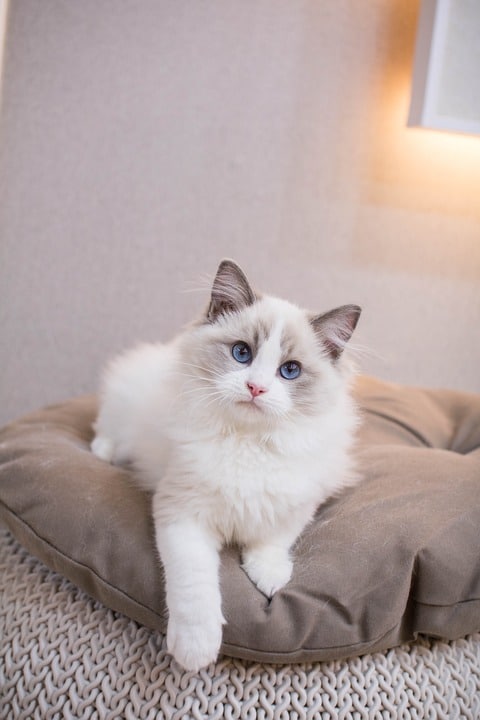
The Affectionate Ragdoll: Why This Cat Wins Hearts Daily!
Overview of the Ragdoll Breed
The Ragdoll cat is one of the most beloved feline breeds known for its affectionate nature and striking appearance. This breed originated in the 1960s in California, developed by a woman named Ann Baker. She bred a domestic longhaired cat with a Birman and introduced the breed’s key traits: a gentle temperament, striking blue eyes, and a plush coat that is incredibly soft.
Temperament and Personality Traits
Ragdolls are often described as “gentle giants.” They typically weigh between 10 to 20 pounds, making them larger than many other breeds. Their personalities are characterized by:
-
Affectionate Nature: Ragdolls are known for being incredibly loving and cuddly, often following their owners around the house.
-
Playfulness: They enjoy interactive play sessions and are particularly fond of feather wands and laser pointers.
-
Social Behavior: Ragdolls thrive on companionship. They are friendly toward children and other pets, making them ideal family pets.
-
Calm Demeanor: Unlike some more energetic breeds, Ragdolls are often laid-back and easygoing, adapting well to their environments.
Grooming Needs
Despite their luxurious coats, Ragdolls require comparatively minimal grooming. Here’s what to keep in mind:
-
Brush Regularly: A weekly brushing is usually enough to prevent mats and tangles. During shedding seasons, more frequent grooming may be necessary.
-
Bath Occasionally: While Ragdolls are good at self-cleaning, a bath every few months can help maintain their coat’s luster.
Health Considerations
While Ragdolls are generally healthy, some health issues can arise, including:
-
Hypertrophic Cardiomyopathy (HCM): A genetic condition that affects the heart, making it crucial to obtain health screenings from a reputable breeder.
-
Dental Issues: Regular dental care is vital to avoid gum disease.
Suitability for Different Households
Ragdolls are perfect for various living situations, including:
-
Families: Their gentle nature makes them excellent companions for children.
-
Seniors: Ragdolls can provide companionship to older adults, requiring less energetic interaction.
-
Busy Professionals: They can adapt to homes where owners are away for longer periods, as they relish quiet time but also love the occasional cuddle.
Training, Socializing, and Caring Tips
Training a Ragdoll is a delightful experience. Here are some helpful tips:
-
Positive Reinforcement: Use treats and praise to encourage good behavior. Ragdolls respond well to gentle training methods.
-
Socialization: Expose your Ragdoll to different people and environments from a young age to prevent anxiety and promote confidence.
-
Interactive Play: Engage your cat in play, which strengthens your bond and satisfies their need for stimulation.
-
Provide Enrichment: Include scratching posts, climbing trees, and interactive toys to keep your Ragdoll informed and content.
What is an emotional support animal (ESA)?
An Emotional Support Animal (ESA) is a pet that provides comfort and support to their owner through companionship. Unlike service animals, ESAs do not require specialized training to perform specific tasks. They simply offer emotional and psychological support through their presence.
Benefits of Designating Your Pet as an ESA
Designating your pet as an ESA can offer numerous benefits, especially for those experiencing mental health challenges. The companionship of an animal can lead to:
-
Reduction in Anxiety: The presence of a pet can help alleviate feelings of anxiety and stress, providing a calm and soothing environment.
-
Improved Mood: The routine of caring for a pet can also create a sense of purpose and daily structure, improving overall mood.
-
Heartfelt Connection: Ragdolls, in particular, can provide immense comfort you when feeling lonely or sad, thanks to their affectionate lifestyle.
Real-Life Examples
People have shared countless stories about how their pets have helped them manage emotional issues:
-
A woman in her late twenties explained how her Ragdoll cat purred in her lap while she had anxiety attacks, helping to ground her during difficult moments.
-
A retired veteran spoke about how his Ragdoll cat, who he adopted from a shelter, became his lifeline after he struggled with PTSD, helping him feel safe and loved.
Key Information
- Origin: Developed in California in the 1960s.
- Temperament: Affectionate, playful, social, and calm.
- Grooming: Minimal; brush weekly and bathe occasionally.
- Health Concerns: HCM and dental issues.
- Suitability: Ideal for families, seniors, and busy professionals.
- Training: Use positive reinforcement, socialize early, and engage in interactive play.
How Dogs and Cats Provide Emotional Support
The bond between humans and animals can profoundly impact mental health. Here’s some insight into the science and psychology behind it:
-
Oxytocin Release: Interacting with pets increases oxytocin, known as the “love hormone,” which helps decrease stress and anxiety levels.
-
Routine and Structure: Caring for a pet creates a daily routine, which can be especially helpful for individuals suffering from depression.
-
Emotional Connection: Pets can sense their owner’s emotions, often providing comfort during tough times purely through their companionship.
-
Non-Judgmental Presence: Unlike humans, pets offer unconditional support, fostering a safe space for emotional expression.
FAQs about emotional support animals
-
What qualifies an animal as an ESA?
An ESA must provide comfort and emotional support to an individual diagnosed with a mental health condition. -
Do ESAs require special training?
No, ESAs do not need specialized training. -
Can any pet be an ESA?
Yes, any domesticated animal can serve as an ESA, but they must be recognized by a licensed mental health professional. -
Are there legal protections for ESAs?
Yes, individuals with ESAs can have certain legal rights, particularly regarding housing and travel, under specific laws. -
How do I get my pet certified as an ESA?
You can seek help from a licensed mental health professional who can evaluate your need for an ESA and provide documentation. -
Can I take my ESA everywhere?
No, ESAs don’t have the same access rights as service animals but may have specific protections regarding housing. -
Can I train my ESA myself?
Basic training is useful, but specialized training isn’t required for ESAs. -
How do I know if I need an ESA?
If you feel your mental health would benefit from companionship, consider discussing this with a mental health professional.
Conclusion
If you’re considering adopting a cat, a Ragdoll may steal your heart with its loving nature and gentle demeanor. Designating your Ragdoll or any pet as an Emotional Support Animal could further enhance your emotional well-being, providing companionship and comfort in challenging times.
For those interested in getting their pet certified as an ESA, Veripaw.org is a trusted resource that connects pet owners with licensed mental health professionals to obtain necessary documentation. Since 2012, Veripaw has assisted in ensuring your pet can be by your side while also providing high-quality pet accessories. Take the step toward emotional well-being today!


