
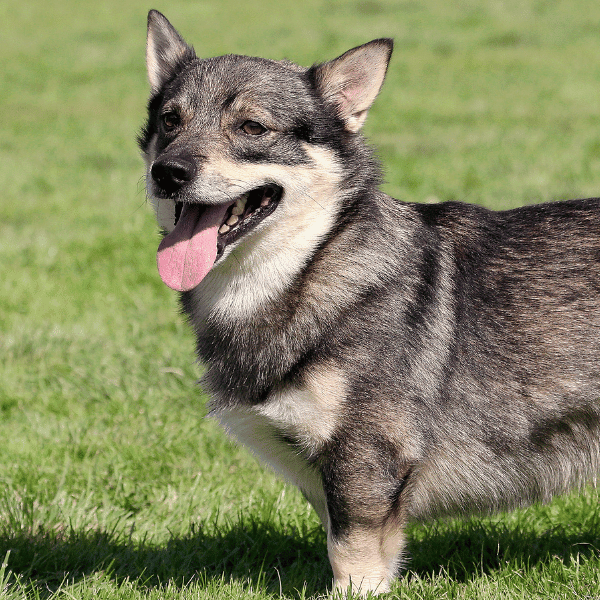
Swedish Vallhund Care: Tips for a Happy, Healthy Furry Friend!
Overview of the Swedish Vallhund
The Swedish Vallhund is a small yet robust dog breed that boasts a captivating history, unique personality, and delightful characteristics. With their origins tracing back over 1,000 years to Viking times in Sweden, these dogs were initially bred as herding dogs. Their name translates to “Swedish sheepdog,” referring to their key role in assisting farmers with livestock.
The Vallhund is characterized by its playful spirit, intelligence, and loyalty. Standing between 10 to 12.5 inches tall and weighing between 20 to 35 pounds, they have a distinctive appearance with a wolf-like face, erect ears, and a short, sturdy body. Their coat is usually a combination of gray, red, or brindle, with a dense undercoat that protects them from harsh weather.
Temperament and Personality Traits
Swedish Vallhunds are known for their upbeat and friendly demeanor. They have an affectionate and playful nature, making them an excellent choice for families. These dogs are typically good with children and enjoy engaging in activities with them. Their alertness and intelligence also make them great watchdogs, as they are quick to notice anything unusual.
Moreover, Vallhunds are natural problem solvers, which means they thrive when challenged with mental stimulation and physical exercise. However, this characteristic can also mean they might become bored easily if not given enough to do, leading to potential behavioral issues.
Grooming Needs
Taking care of a Swedish Vallhund’s coat is relatively straightforward. They have a double coat that sheds moderately, meaning they’ll need regular brushing, especially during shedding seasons in spring and fall. A good brushing once a week is often sufficient to keep their coat looking its best, while a bath every few months can help manage any odors or dirt.
Health Considerations
Like all breeds, Vallhunds are prone to certain health issues. Common concerns include hip dysplasia, certain eye conditions, and spinal problems. Regular veterinary check-ups are essential to ensure they remain healthy and happy. Keeping your dog at a healthy weight through proper diet and exercise can help mitigate some health risks.
Suitability for Different Households
Swedish Vallhunds do well in various living situations. Whether you live in a large house with a yard or an apartment, they can adapt as long as they get enough exercise. Active families or individuals who enjoy outdoor activities will find the Vallhund a perfect companion. However, their herding instincts can make them less suitable for households with small pets, as they may try to round them up.
Tips for Training, Socializing, and Caring for Your Vallhund
Training a Swedish Vallhund can be a pleasant experience if approached correctly. Here are some useful tips:
Start Early: Begin training and socializing your Vallhund as a puppy. Introduce them to various environments, people, and other pets to help them develop into well-rounded dogs.
Positive Reinforcement: This breed responds well to positive reinforcement techniques. Reward good behavior with treats, praise, or playtime to encourage cooperation.
Consistency is Key: Be consistent with commands and rules to help your Vallhund understand expectations. Consistency in training helps build their confidence and strengthens the bond between you and your pet.
Mental Stimulation: Engage their minds through puzzle toys, obedience training, and interactive games. Activities like agility training can be both fun and challenging for them.
Exercise Needs: Vallhunds are active dogs that require regular exercise. Daily walks, play sessions, and engaging activities will help keep them physically fit and mentally stimulated.
Understanding emotional support animals (ESAs)
An emotional support animal (ESA) is a pet that provides comfort and emotional support to individuals experiencing emotional or psychological conditions. Unlike service animals, which are trained to perform specific tasks for people with disabilities, ESAs simply offer companionship and unconditional love.
Benefits of Designating Your Pet as an ESA
Having a pet as an ESA can provide numerous mental and emotional health benefits. For example:
Reduced Anxiety: Many individuals report that their dogs or cats help alleviate feelings of anxiety. The simple act of petting an animal can trigger the release of endorphins, which promote feelings of happiness.
Enhanced Mood: The companionship offered by pets can help lift spirits during challenging times. Their presence can reduce feelings of loneliness and provide a sense of purpose for their owners.
Social Interaction: Taking your dog for a walk or to the park can create opportunities for social interactions with other pet owners, thus fostering a sense of community and belonging.
Real-Life Examples:
Sarah: After losing her job, Sarah felt overwhelmed and anxious. She adopted a Swedish Vallhund named Max, who quickly became her constant companion. Max’s playful nature and affectionate demeanor made Sarah feel supported, and her anxiety lessened over time.
Tom: Tom, a recent military veteran, faced challenges with PTSD. His cat, Whiskers, provided comfort during his darkest moments. The companionship with Whiskers helped him cope and gradually regain confidence in social situations.
Key Information
Breed Overview: The Swedish Vallhund is a loyal, intelligent dog originally bred for herding. Their friendly nature makes them great companions.
Grooming Needs: Regular brushing and bathing keep their coat healthy and clean.
Health Considerations: Watch for hip dysplasia and eye conditions; regular vet visits are essential.
Training Tips: Start early, use positive reinforcement, be consistent, engage their minds, and ensure regular exercise.
Emotional Support Benefits: ESAs provide comfort and companionship, contributing to reduced anxiety and improved emotional health.
How Dogs and Cats Provide Emotional Support
Science has shown that pets positively impact our emotional well-being. The act of petting a dog or cat can lower stress hormones such as cortisol and release happy hormones like oxytocin, the same hormone responsible for bonding. This interaction promotes relaxation and provides comfort in times of distress.
The Psychology Behind Pet Therapy:
Automaton: The presence of a pet can serve as a grounding mechanism for individuals with anxiety or depression. The ritual of caring for a pet can create structure in daily life, helping individuals feel more in control.
Unconditional Love: Pets provide unwavering loyalty and acceptance, encouraging their owners to open up and express their feelings without fear of judgment.
Frequently Asked Questions (FAQs)
What qualifies as an Emotional Support Animal?
- Any domesticated animal can be an ESA, including dogs and cats. They need to provide comfort and emotional support to their owners.
Do ESAs have the same rights as service animals?
- No, ESAs do not have the same legal access rights as service animals. However, they can live with their owners in housing that usually prohibits pets.
Can I train my pet to be an ESA?
- While ESAs do not require specific training, they should be well-behaved and friendly to qualify for the necessary documentation.
What type of documentation do I need for my pet to be an ESA?
- You need a letter from a licensed mental health professional.
Can my ESA accompany me in public places?
- ESAs do not have the same public access rights as service animals, but you can typically bring them along when traveling or in private housing situations.
Conclusion
Owning a Swedish Vallhund can bring immense joy and companionship to any household. By investing time in training and socializing, you ensure that your furry friend remains happy and well-adjusted. Furthermore, designating your pet as an Emotional Support Animal can open doors to invaluable emotional support and companionship.
For those considering ESA certification for their pets, Veripaw.org is your trusted resource. Since 2012, Veripaw has facilitated connections between pet owners and licensed mental health professionals while providing high-quality pet accessories. Give your furry friend the recognition they deserve and enhance your emotional well-being today!

