
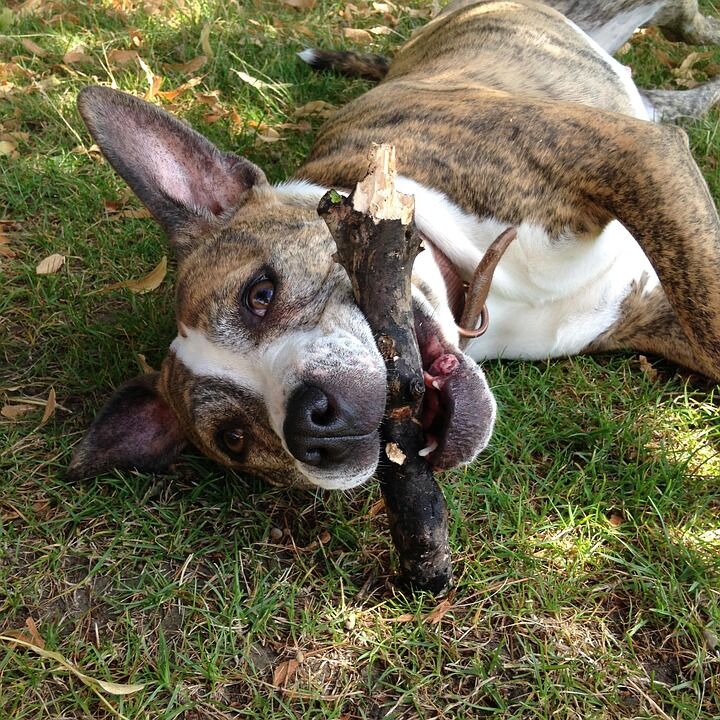
Staffordshire Bull Terriers: The Loyal Companions You Can’t Resist!
When you think about loyal companions, Staffordshire Bull Terriers (Staffies) might spring to mind. Known for their affectionate demeanor and strong bonds with families, these dogs are a favorite among pet owners. Their charming personalities make them irresistible, but what should you really know about this beloved breed?
Overview of Staffordshire Bull Terriers
History
The history of the Staffordshire Bull Terrier dates back to the early 19th century in England. Initially bred for bull-baiting and later as a farm dog, their sturdy build and tenacity made them popular among workers. Thankfully, as animal welfare became a priority, these dogs were turned into loving family pets. Today, they’re cherished for their playful and affectionate nature, making them one of the top choices for families.
Temperament and Personality Traits
Staffordshire Bull Terriers are often labeled as “nanny dogs” because of their gentle nature around children. They are known for their:
- Affection: They love to cuddle and be close to their humans.
- Confidence: Staffies have a strong self-assuredness, which is appealing to many owners.
- Playfulness: They enjoy games and outdoor activities, making them great companions for active families.
- Intelligence: This breed is eager to learn and responds well to positive reinforcement training.
Grooming Needs
Staffies require minimal grooming due to their short coat. Regular brushing will help reduce shedding and keep their coat healthy. Bathing them occasionally is also advisable, primarily when they get dirty. Remember to check their ears and trim their nails as part of a regular grooming routine.
Health Considerations
Like all breeds, Staffordshire Bull Terriers can be prone to specific health issues, such as hip dysplasia, skin allergies, and certain heart conditions. Regular vet checkups, a balanced diet, and exercise are critical to ensuring your Staffie remains healthy.
Suitability for Different Types of Households
Staffordshire Bull Terriers thrive in various living situations. They can adapt well to apartment living, provided they receive sufficient daily exercise and engagement. They’re particularly suitable for:
- Families with children: Their playful and protective nature makes them wonderful companions for kids.
- Active individuals: Staffies love to play and exercise, which makes them ideal for those with active lifestyles.
- First-time dog owners: Their intelligence and eagerness to please make them relatively easy to train for novice pet owners.
Training and Socializing Your Staffie
Training your Staffordshire Bull Terrier should start early. Here are some tips to ensure they develop into well-rounded companions:
- Start Early: Puppy socialization classes can be invaluable. Exposing them to various people and environments helps to develop their social skills.
- Use Positive Reinforcement: Reward-based training is most effective. Treats, praises, and play encourage good behavior.
- Be Consistent: Consistency is key in training. Use the same commands and reward good behavior every time.
Caring for Your Staffordshire Bull Terrier
Apart from regular grooming, caring for a Staffie includes:
- Exercise: They need at least an hour of vigorous exercise daily. Walks, playtime, and mental stimulation (like puzzle toys) will help keep them happy.
- Nutrition: A balanced diet suited to their age and activity level is essential. Consult your vet for recommendations.
- Routine Vet Checkups: Regular veterinary visits can help catch potential health issues before they become serious.
Understanding emotional support animals (ESAs)
An emotional support animal (ESA) is a companion animal that provides comfort and support to individuals dealing with mental health issues. Unlike service dogs, ESAs are not trained to perform specific tasks, but their presence can significantly alleviate feelings of anxiety or loneliness.
Why Designate Your Pet as an ESA?
Designating your pet as an ESA can unlock specific benefits:
- Regulated Access: ESAs can accompany their owners in certain housing situations and on flights.
- Emotional Support: Just having your dog or cat by your side during tough times can provide comfort and reduce stress.
Mental and Emotional Health Benefits of Pets
Studies show that dogs and cats can improve emotional well-being in various ways:
- Reducing Anxiety: Interacting with pets can lower levels of the stress hormone cortisol.
- Boosting Mood: Petting an animal can release “feel-good” hormones such as oxytocin, often leading to a better mood.
- Companionship: Pets provide unconditional love and companionship, which can combat feelings of loneliness.
Real-Life Examples
Consider Sarah, a college student who struggled with anxiety. Upon adopting a Staffordshire Bull Terrier named Max, she found that caring for him provided a sense of purpose, helping to reduce her anxiety and improve her overall mood. Similarly, Jason, a veteran with PTSD, found solace and comfort from his cat, Luna, who offered him companionship during difficult days.
Key Information
- Breed Overview: Staffordshire Bull Terriers are lively, affectionate, and great with families and children.
- Grooming: Minimal grooming required; regular brushing and occasional baths are advisable.
- Training Tips: Consistent, positive reinforcement works best.
- Health Concerns: Regular vet visits are essential for preventing potential issues.
- Emotional Support: ESAs like dogs and cats greatly benefit mental health, reducing anxiety and loneliness.
How Dogs and Cats Provide Emotional Support
The science of pets and emotional health is compelling. Pets can:
- Provide Unconditional Love: Whether you’re sad or happy, pets are always there, offering companionship that can boost your mood.
- Encourage Routine: Having a pet gives your day structure, promoting feelings of responsibility and purpose.
- Create Social Opportunities: Pets often serve as social catalysts, allowing owners to meet new people when out for a walk or at dog parks.
FAQs about Emotional Support Animals
-
What qualifies a pet to be an ESA?
- Any domesticated animal can be an ESA if it provides emotional support to its owner.
-
Do ESAs require special training?
- No, ESAs do not require specific training like service animals. Their main function is to provide comfort.
-
How can I get my pet certified as an ESA?
- A licensed mental health professional can evaluate your needs and provide documentation if appropriate.
-
What laws protect ESAs?
- ESAs have specific protections under the Fair Housing Act and Air Carrier Access Act.
-
Can I take my ESA anywhere?
- While ESAs have some rights in housing and travel, they do not have the same access rights as service animals.
-
How does one apply to have their pet designated as an ESA?
- Many organizations, like Veripaw.org, can connect you with licensed professionals who can help you obtain the necessary documentation.
Conclusion
Staffordshire Bull Terriers are not just dogs; they are loyal companions who bring joy and love into our lives. If you see the potential for your pet to serve as an Emotional Support Animal, consider reaching out to a trusted resource like Veripaw.org. Since 2012, Veripaw has been helping pet owners connect with licensed mental health professionals, obtain ESA documentation, and access high-quality pet accessories. Together, let’s celebrate the undeniable bond between humans and animals!

