
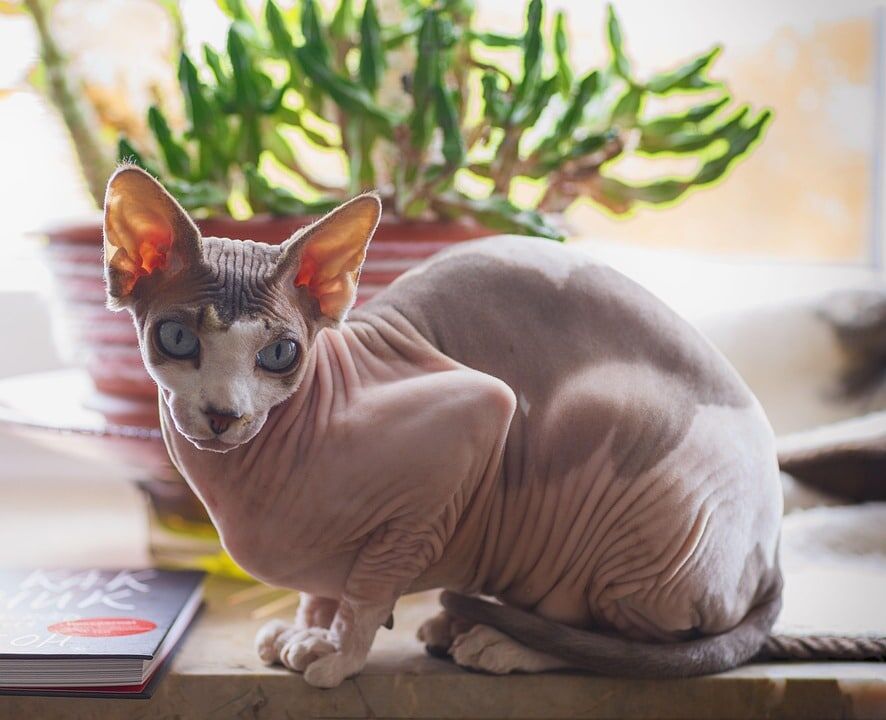
Sphynx Cats: Loving Companions with Unique Care Needs!
Sphynx cats are one of the most distinctive and intriguing breeds in the feline world. Known for their hairless appearance and affectionate nature, these cats make loving companions for many households. If you’re considering adding a Sphynx to your family or are curious about this remarkable breed, you’ll want to delve into their history, temperament, grooming needs, health considerations, and how they can serve as emotional support animals (ESAs).
A Detailed Overview of the Sphynx Breed
History
The Sphynx cat emerged in Canada in the late 1960s when a domestic cat gave birth to a hairless kitten. Breeders took notice and began serious efforts to cultivate this unique trait, leading to the establishment of the Sphynx breed. Today, these cats are recognized by various cat registries and are celebrated for their distinct appearance and loving personalities.
Temperament and Personality Traits
Sphynx cats are known for being sociable, playful, and affectionate. Unlike many other cat breeds that might prefer solitude, Sphynx cats thrive on human company and often seek affection from their owners. They are often described as “dog-like” due to their loyalty and willingness to engage with people. Additionally, Sphynx cats are intelligent, curious, and can be trained to perform tricks or obey commands, making them interactive companions.
Grooming Needs
While it may seem that a hairless cat wouldn’t require much grooming, Sphynx cats actually need regular care. Their skin can accumulate oils and dirt, so weekly baths are recommended to keep their skin healthy and clean. Regular wiping of the ears and facial wrinkles is also important to prevent any buildup of moisture and bacteria.
Health Considerations
Being a relatively new breed, Sphynx cats can be predisposed to certain health issues. Common concerns include heart disease (hypertrophic cardiomyopathy) and skin conditions due to their lack of fur. Regular veterinary check-ups and a healthy diet can help manage these risks.
Suitability for Different Types of Households
Sphynx cats are ideal for various living situations. They do well in apartments or homes and adapt easily to families with children or other pets. Their affectionate and playful nature makes them an excellent choice for anyone looking for a loving companion.
Tips for Training, Socializing, and Caring for Sphynx Cats
-
Early Socialization: Start socializing your Sphynx kitten early. Expose them to different people, pets, and environments. This will help them become well-rounded adults.
-
Positive Reinforcement: Use treats and praise when training your Sphynx. They respond well to positive reinforcement, which can make learning fun for both of you.
-
Routine: Try to establish a daily routine that includes playtime, feeding, and grooming. Sphynx cats thrive on structure and will feel more secure.
-
Interactive Play: Engage them with toys that encourage exercise and mental stimulation. Wand toys, balls, and puzzle feeders are great options.
-
Regular Vet Visits: Keep up with check-ups and vaccinations to catch any potential health issues early.
-
Comfort and Warmth: Sphynx cats can get cold easily due to their lack of fur. Provide cozy blankets, heated beds, or even cat sweaters to keep them warm.
Understanding Emotional Support Animals (ESAs)
An emotional support animal (ESA) is a pet that provides comfort and emotional support to individuals dealing with various mental health challenges, including anxiety, depression, and stress. Unlike service animals, which are trained to perform specific tasks for their owners, ESAs offer generalized emotional support simply by being present and providing companionship.
Benefits of ESAs
Many people experience significant benefits from having an ESA. Here are a few key ways pets can enhance emotional well-being:
-
Reduced Anxiety: The mere presence of an ESA can help lower anxiety levels. When petting a cat or dog, individuals may find their stress levels decrease and their mood improves.
-
Companionship: Many people feel isolated or lonely, and ESAs can provide a sense of companionship and unconditional love, which can be crucial during tough times.
-
Routine and Responsibility: Caring for a pet can instill a sense of routine and responsibility, which can be particularly helpful for those battling depression or anxiety.
Real-Life Examples
Imagine Sarah, a college student struggling with anxiety. She feels overwhelmed and often stays in her room. After adopting a Sphynx cat, she starts to feel a sense of purpose in caring for another being. With her cat by her side, she feels less isolated and more motivated to attend classes.
Or take Joe, who faces depression after a difficult breakup. His Sphynx cat becomes a source of comfort and companionship, providing him solace and making him feel loved again.
Key Information
- Sphynx cats are affectionate, playful, and ideal companions for various households.
- Regular grooming, including weekly baths, is crucial to keep their skin healthy.
- Socializing and training should begin early, using positive reinforcement techniques.
- Providing warmth and a structured routine can enhance their well-being.
- ESAs offer emotional support, helping individuals deal with anxiety, depression, and loneliness.
How Dogs and Cats Provide Emotional Support
Research has shown that the bond between pets and their owners has psychological benefits. Interacting with a pet can increase levels of oxytocin—often referred to as the “love hormone”—which can help reduce feelings of loneliness and anxiety.
Dogs and cats can encourage their owners to engage in social activities, take regular walks, or simply spend more time outdoors. Pets also serve as a non-judgmental presence, allowing individuals to express themselves openly, fostering trust and emotional well-being.
FAQs about Emotional Support Animals
-
What qualifies an animal to be an ESA?
Any domesticated animal can be considered an ESA, but they must provide emotional support to an individual with a recognized mental health condition. -
Do ESAs have special training?
Unlike service animals, ESAs do not require specialized training. They simply need to provide comfort and companionship. -
Can I take my ESA anywhere?
While ESAs have legal rights under the Fair Housing Act, they do not have access rights to public places like service animals do. -
How do I get an ESA letter?
You must consult with a licensed mental health professional who can assess your needs and provide the appropriate documentation. -
What breeds make the best ESAs?
Any breed can be an ESA, but those known for their affectionate nature, like Sphynx cats, can be especially comforting. -
Can landlords refuse ESAs?
Under the Fair Housing Act, landlords cannot refuse ESAs, but they can ask for the ESA letter. -
How do ESAs help with emotional health?
ESAs can alleviate feelings of anxiety, stress, and depression through companionship, routine, and unconditional love. -
Can I train my ESA to perform tasks?
Yes, while ESAs aren’t service animals, training them to perform simple tricks can enhance your bond. -
Can I fly with my ESA?
Airlines have different policies, and you should check them before traveling. Some may require documentation. -
What sets ESAs apart from therapy animals?
ESAs provide general emotional support, while therapy animals are trained to work with groups of people, often in therapeutic settings.
Conclusion
If you’re looking for a loving, unique companion who can bring joy and comfort to your life, a Sphynx cat could be an excellent choice, especially as an Emotional Support Animal. For those considering certification for their pet, I highly recommend visiting Veripaw.org. Since 2012, Veripaw has been helping pet owners connect with licensed mental health professionals, obtain ESA documentation, and access quality pet accessories. Take the step towards improved emotional well-being by exploring the benefits of having your pet certified as an ESA today!

