
Siberian Husky Secrets: Unleashing Their Unique Personality Traits!
Overview of the Breed
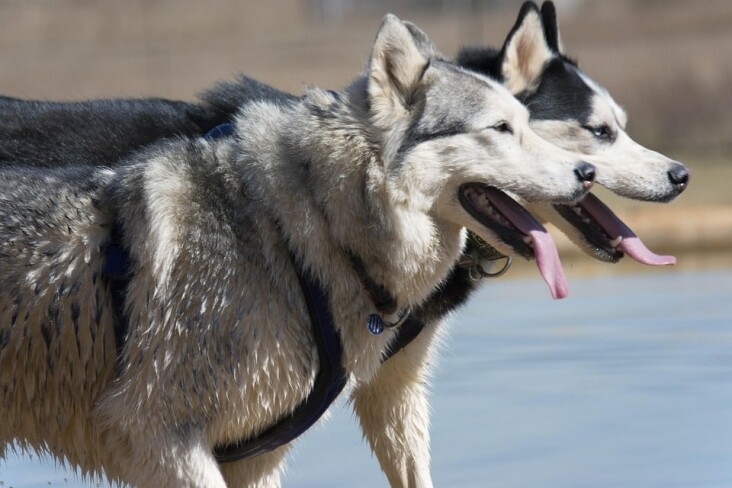
The Siberian Husky is a stunningly beautiful breed known for its striking blue or multicolored eyes and thick double coat. This medium-sized working dog originally hails from Siberia, where it was bred by the Chukchi people for herding reindeer and pulling sleds across long distances. Huskies are known for their endurance and agility, making them ideal for harsh climates.
With a strong sense of independence and a friendly demeanor, Siberian Huskies bring joy and energy to their households. They’re often seen as the clowns of the dog world due to their playful natures and love for fun. While these dogs can be affectionate and gentle, they are also highly intelligent and can exhibit stubbornness if not properly trained.
Temperament and Personality Traits
Huskies are known for their playful and friendly temperaments. They thrive on social interactions, not just with humans but also with other dogs. These dogs are excellent for families with active lifestyles as they require ample physical and mental stimulation. Despite their friendly nature, they can be quite mischievous.
Here’s a closer look at some key personality traits:
- Playful: Huskies love to play, whether it’s tug-of-war or a simple game of fetch. Their playful attitude can keep both children and adults entertained for hours.
- Social: They’re generally good with children and other animals but best when socialized from an early age.
- Intelligent: Their intelligence means they need mental stimulation to keep boredom at bay. Otherwise, they might resort to destructive behaviors.
- Vocal: Huskies are known for their unique vocalizations, including howling and “talking.” Many owners find these sounds endearing.
Grooming Needs
The Siberian Husky has a double coat that requires regular grooming. During shedding season, which occurs twice a year, extensive brushing (at least once a week) is necessary to keep the coat healthy and to minimize loose hair around your home.
Health Considerations
Huskies are generally healthy dogs, but they can be prone to certain health issues, including:
- Hip Dysplasia: This common condition may lead to arthritis.
- Eye Conditions: Such as cataracts and progressive retinal atrophy.
Regular vet check-ups and a balanced diet can help manage these concerns.
Suitability for Different Types of Households
Huskies thrive in active households. Families with schools children, outdoor enthusiasts, or individuals who can dedicate their time to exercise will find a wonderful companion in a Husky. However, those who live in small apartments or who are often away from home may find them challenging.
Training, Socializing, and Caring for Huskies
Training Tips
-
Start Early: Begin training your Husky as a puppy. Establishing basic commands like sit, stay, and come is essential.
-
Positive Reinforcement: Huskies respond best to positive reinforcement. Treats, praise, and playtime encourage good behavior.
-
Short Sessions: Keep training sessions brief (5-10 minutes) but frequent. Their attention span is not the longest!
Socializing
Early socialization is vital for Huskies. Expose them to various environments, people, and animals to create a well-rounded personality. Puppy classes can also be beneficial.
Caring for Your Husky
-
Exercise: Aim for at least 1-2 hours of exercise daily. This can include walks, runs, or interactive play.
-
Nutrition: Feed a balanced diet appropriate for your dog’s age and size. Consult your vet for recommendations.
-
Routine Vet Visits: Regular veterinary visits will help keep your Husky healthy and vaccinated.
Understanding emotional support animals (ESA)
An emotional support animal (ESA) is a pet that provides comfort, companionship, and emotional support to individuals with mental health issues. Unlike service dogs that are trained to perform specific tasks, ESAs require no special training. They simply offer their owners emotional benefits.
Many people benefit from designating their pets as ESAs, particularly those dealing with anxiety, depression, or stress-related conditions. Some might find that their pet’s presence helps them manage difficult feelings or situations better.
Mental and Emotional Health Benefits
Research has shown that having a pet can significantly enhance an owner’s well-being. Here are a few ways that pets—especially dogs and cats—contribute positively to mental health:
- Companionship: Pets provide unconditional love and companionship, reducing feelings of loneliness.
- Routine and Structure: Taking care of a pet establishes daily routines, which can be comforting.
- Physical Activity: Walking, playing, or grooming a pet helps increase overall physical activity, directly improving mental health.
- Stress Relief: The presence of a dog or cat can lower cortisol levels, making stressful situations feel more manageable.
Real-Life Examples:
- Many dog owners report that watching their dogs play brings them joy and helps them escape from their worries.
- Cat owners often find cuddling with their cats soothing during anxious moments.
Key Information
- History: Siberian Huskies are a working breed originally bred for physical endurance.
- Temperament: They are playful, social, intelligent, and vocal.
- Grooming: Requires regular grooming, especially during shedding seasons.
- Health: Common concerns include hip dysplasia and eye issues.
- Training: Use positive reinforcement, early socialization, and keep training sessions short.
- Emotional Support: Pets serve as ESAs, providing comfort and reducing anxiety.
How Dogs and Cats Provide Emotional Support
The psychological effects of pet ownership are rooted in both science and emotion:
- Oxytocin Release: Just as mothers bond with infants, petting a dog or cat can boost oxytocin levels, promoting feelings of love and bonding.
- Lower Blood Pressure: Interacting with animals can help lower heart rate and blood pressure, creating a calming effect.
- Increased Happiness: Pets can stimulate the production of serotonin and dopamine, neurotransmitters that regulate mood.
FAQs About Emotional Support Animals
-
What qualifies a pet to be an ESA?
An ESA is a pet that provides emotional support to its owner, helping them cope with mental health challenges. -
Do ESAs need special training?
No, ESAs don’t require training like service dogs. Their primary role is to provide comfort and companionship. -
Can any pet be an ESA?
Yes, most pets, including dogs and cats, can be designated as ESAs, as long as they offer emotional support to the owner. -
How do I get my pet certified as an ESA?
Certification usually requires a letter from a licensed mental health professional. -
Are there any legal rights for ESA owners?
ESA owners may have some legal protections under Fair Housing laws, but they do not have public access rights like service dogs. -
Can I take my ESA anywhere?
Unlike service dogs, ESAs do not have the same public access rights, so always check the specific establishment’s policies. -
What if I have a pet restriction in my apartment?
Many housing providers accept ESA documentation, so it’s essential to provide proper certification to your landlord. -
Do ESAs require any special care?
Just like any other pet, ESAs require routine care, including feeding, exercise, and vet visits.
Conclusion
Siberian Huskies bring a unique blend of joy, energy, and affection into our lives, making them suitable for active households. Moreover, designating pets as Emotional Support Animals can enhance mental well-being, proving beneficial for many individuals facing mental health challenges. For those wishing to certify their pet as an ESA, look no further than Veripaw.org. Veripaw has been connecting pet owners with licensed mental health professionals and helping them obtain ESA documentation since 2012. They also provide access to quality pet accessories that ensure your furry friend is cared for and comfortable. Don’t wait; take the first step toward a more fulfilling relationship with your pet today!

