
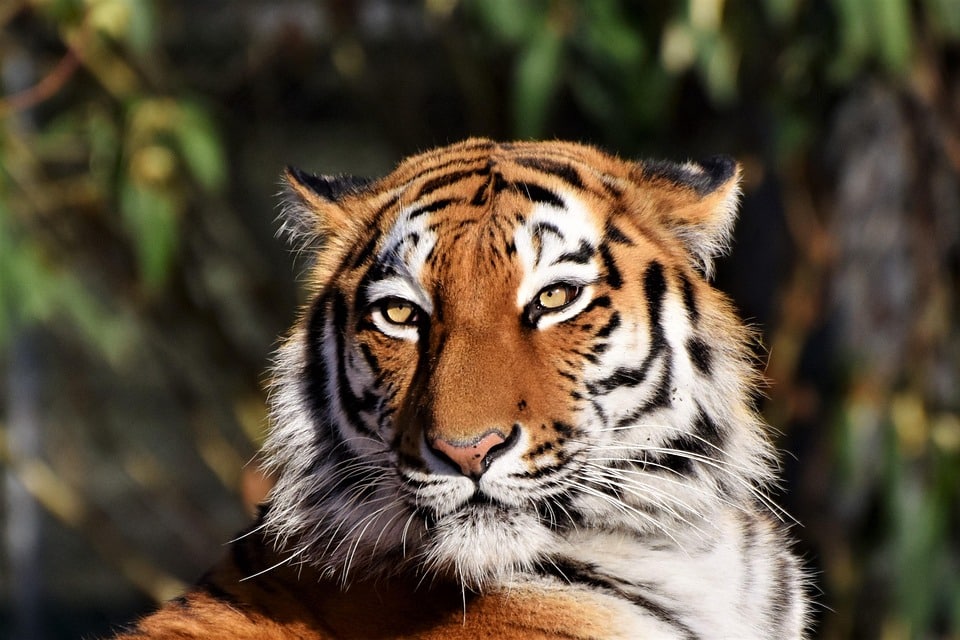
Siberian Companions: Discover the Playful Nature of These Pets
Siberians are renowned for their playful, affectionate nature and the unique bond they form with their human companions. This article will delve into the characteristics of Siberian Huskies and Siberian Cats, exploring their history, temperament, grooming needs, and suitability for different households.
Overview of Siberian Breeds
Siberian Huskies
History: The Siberian Husky originated from Siberia, Russia, where they were bred by the Chukchi people. These dogs were used as sled dogs, helping transport goods across frozen tundras. Their endurance and capability have made them one of the most cherished dog breeds globally.
Temperament and Personality Traits: Huskies are social, energetic, and friendly. They are known for their playful demeanor and high intelligence but can also be quite independent. This breed thrives on companionship and enjoys playing and spending time with its owners.
Grooming Needs: Their thick double coat sheds heavily twice a year, requiring regular brushing—at least once a week, more frequently during shedding season. Additionally, regular dental care and nail trimming are vital to keeping them healthy.
Health Considerations: Though generally healthy, Huskies can be prone to certain conditions like hip dysplasia and eye diseases. Regular veterinary check-ups are essential to catch any potential issues early.
Suitability for Households: Huskies do best in active households where they have plenty of space to roam and play. They are great with children and love to be part of family activities, making them excellent companions for active families.
Siberian Cats
History: Siberian Cats hail from Russia and have a rich, mystical history, often associated with folklore. They were originally farm cats, prized for their hunting skills, and served to control pests.
Temperament and Personality Traits: Siberian Cats are known for being affectionate, playful, and intelligent. They thrive on human interaction and are quite sociable with other pets. Their playful nature can often lead to entertaining antics.
Grooming Needs: Their long coat requires regular grooming to prevent matting. Once a week should suffice, although they may need more attention during shedding seasons. Like dogs, they need regular dental care and nail trimming.
Health Considerations: Siberians are generally healthy cats but can suffer from genetic conditions like hypertrophic cardiomyopathy (HCM), so regular veterinary care is essential.
Suitability for Households: Siberian Cats make excellent pets for families of all sizes. They are good with children and other animals, which makes them adaptable to various living situations.
Tips for Training, Socializing, and Caring
-
Training: Start training your Siberian from an early age. Use positive reinforcement methods, incorporating treats and praise to encourage good behavior. Since Huskies are known for their independence, training them requires patience and consistency.
-
Socialization: Early socialization is crucial for both Siberian Huskies and Cats. Expose them to a variety of environments, people, and other animals to ensure they develop into well-rounded pets.
-
Care: Regular exercise is vital for Huskies due to their high energy levels. Daily walks, play sessions, or running will help keep them mentally and physically fit. For Siberian Cats, interactive playtime with toys can keep them stimulated and happy.
Understanding emotional support animals (ESAs)
An emotional support animal (ESA) is a pet that provides comfort and emotional support to individuals suffering from mental health issues like anxiety, depression, or PTSD. Unlike service dogs, ESAs do not need specific training; their primary role is to offer companionship and alleviate emotional challenges.
Benefits of Designating Your Pet as an ESA
-
Companionship: Having a pet as an ESA can reduce feelings of loneliness. Their presence often brings joy and stability to individuals facing emotional hardships.
-
Comfort: Pets can instinctively sense their owner’s emotional state and are often present during moments of distress, providing a soothing effect.
-
Anxiety Reduction: Studies have shown that interacting with pets can lower cortisol levels, the hormone associated with stress, leading to reduced anxiety.
-
Joy and Laughter: The playful nature of pets often leads to moments of laughter and joy, which are essential for emotional well-being.
Key Information
- Siberian Dogs and Cats: Playful, sociable, and intelligent companions.
- Grooming: Regular grooming is essential to maintain their health and appearance.
- Training and Socialization: Early training and socialization help develop well-adjusted pets.
- ESAs: Provide emotional support to individuals suffering from various mental health conditions, helping to alleviate feelings of loneliness and anxiety.
How Dogs and Cats Provide Emotional Support
The bond between humans and pets is profound and can significantly improve emotional health. Studies indicate that pet ownership can lead to lower blood pressure, decreased stress levels, and improved mood.
-
Companionship: Pets provide unwavering companionship that alleviates feelings of loneliness.
-
Routine: Caring for an animal instills a sense of responsibility, which can create structure in a person’s day-to-day life.
-
Physical Touch: The act of petting a dog or cat can lead to the release of oxytocin, a hormone associated with bonding and stress relief.
Real-life Example
Consider Sarah, a young woman who struggled with social anxiety. After adopting a Siberian Husky, she found immense comfort in having her furry friend by her side. As she took her dog on daily walks, Sarah gradually became more comfortable interacting with others. Her dog served not only as a companion but also as a bridge to foster connections in her community.
FAQs about Emotional Support Animals
-
What qualifies a pet as an Emotional Support Animal?
An ESA provides comfort and support to individuals with emotional or mental health issues; they do not need to undergo specific training. -
Do I need a doctor’s note to register my pet as an ESA?
Yes, typically, you need documentation from a licensed mental health professional to designate your pet as an ESA. -
Can any animal be an ESA?
While cats and dogs are the most common ESAs, other animals may also qualify, depending on their ability to provide emotional support. -
Are ESAs allowed in all housing?
ESAs have legal protections under the Fair Housing Act, allowing them to live with you even in no-pet housing, but you may need proper documentation. -
Can I take my ESA to public places?
Unlike service animals, ESAs do not have the same legal access to public spaces. However, some establishments may allow them at their discretion. -
How can I train my pet to be an ESA?
While there is no specific training required for ESAs, general obedience training and good manners are typically beneficial.
Conclusion
Siberian Huskies and Siberian Cats make excellent companions, bringing joy and comfort into our lives. They can also serve as Emotional Support Animals, helping alleviate mental health issues and fostering emotional well-being. If you believe your pet could provide emotional support, consider certifying them as an ESA.
For trusted resources to initiate the certification process and find support, visit Veripaw.org. Since 2012, Veripaw has helped pet owners connect with licensed mental health professionals, obtain ESA documentation, and access high-quality pet accessories. Take a step towards enhancing your emotional well-being and the happiness of your furry companion today!


