
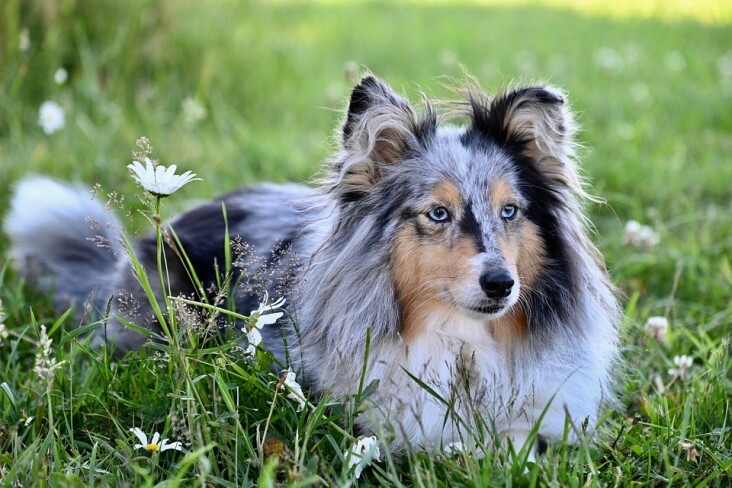
Shetland Sheepdog Secrets: Why These Dogs Make Perfect Family Pets
The Shetland Sheepdog, or “Sheltie,” is a stunning breed that is a perfect blend of intelligence, agility, and affection. Originating from the Shetland Islands of Scotland, these dogs were initially bred to herd sheep and other livestock. Their remarkable ability to work alongside humans has made them beloved companions in many households. As we delve into the traits that make Shetland Sheepdogs ideal family pets, we’ll also explore their grooming needs, health considerations, and how they serve as incredible emotional support animals (ESAs).
Overview of Shetland Sheepdogs
History and Origins
The Shetland Sheepdog’s lineage can be traced back to the early 1900s, derived from a mix of the rough-coated Collie and smaller herding dogs indigenous to the Shetland Isles. This unique breeding produced a compact, intelligent, and agile dog capable of navigating rough terrains while keeping livestock in check. As they became popular in both working and pet settings, their herding instincts were paired with an affectionate personality, making them fantastic companions.
Temperament and Personality Traits
Shetland Sheepdogs are known for their loyalty and gentleness. They have an affectionate nature, often forming strong bonds with their families. Their temperament is characterized by playfulness and high energy, making them delightful for families with active lifestyles. Shelties are also very intelligent, which makes them eager learners—an ideal trait for training sessions.
Grooming Needs
Maintaining a Shetland Sheepdog’s luscious double coat requires regular grooming. Shelties shed year-round, with more significant shedding occurring during seasonal changes. Weekly brushing is essential to prevent matting and reduce loose hair around the house. With regular grooming, you can keep their coat healthy and shiny, reflecting their vibrant personality.
Health Considerations
While Shetland Sheepdogs are generally healthy, they may be prone to certain health issues such as hip dysplasia, eye disorders, and certain genetic conditions. Regular veterinary check-ups help monitor their health and ensure they receive necessary vaccinations. Maintaining a healthy diet and an active lifestyle is also key in maintaining their well-being.
Suitability for Different Types of Households
Shetland Sheepdogs adapt well to various living situations, from apartments to homes with backyards. They thrive in active families, where they can be involved in activities. Additionally, they are typically good with children and other pets, as their nurturing instincts often lead them to be protective and gentle around younger family members.
Tips for Training, Socializing, and Caring for Shelties
Training should start early with Shetland Sheepdogs, as their intelligence and eagerness to please make them quick learners. Here are some practical tips for successful training and socialization:
-
Positive Reinforcement: Use treats, praise, and play as rewards for good behavior. Shelties respond positively to kindness.
-
Consistency is Key: Establish routines and consistent commands to reinforce learning. This clarity helps them grasp what you expect.
-
Socialization: Expose your Sheltie to various environments, people, and other dogs early on. This exposure helps them grow into well-rounded adults, reducing the likelihood of fear-based behaviors.
-
Regular Exercise: Ensure they have plenty of physical activity. Daily walks, play sessions, and mental challenges are crucial to keep them happy and healthy.
-
Early Obedience Classes: Consider enrolling in puppy training classes to build confidence and strengthen the bond between you and your Sheltie.
Understanding Emotional Support Animals (ESAs)
An emotional support animal (ESA) is a pet specifically designated to provide comfort and emotional support to individuals facing mental health challenges or emotional difficulties. Unlike service dogs, ESAs do not require specialized training to perform specific tasks but offer companionship and emotional stability that can help alleviate symptoms of anxiety, depression, or stress.
Benefits of Designating Your Pet as an ESA
Many people benefit from having a pet designated as an ESA. The presence of a furry friend can bring immense comfort and joy, improving one’s emotional landscape. For example, a person dealing with loneliness or anxiety may find that their Shetland Sheepdog’s loyal companionship not only alleviates their feelings but also enhances their overall quality of life.
Mental and Emotional Health Benefits
Real-Life Examples of Emotional Support
Many families have shared stories of how their pets have been essential in their lives. For example, children experiencing anxiety due to school pressures have often found solace in a Sheltie’s comforting presence. The gentle eyes and playful demeanor of these dogs help children feel secure and loved, allowing them to open up about their feelings.
Similarly, adults facing challenges such as depression often express that their dogs encourage them to engage more in life, whether it’s going for walks or playing fetch in the yard. The routine of caring for a dog fosters responsibility and purpose, which can be highly therapeutic.
How Dogs and Cats Provide Emotional Support
Recent studies have shown that pets boost mental health in numerous ways. The simple act of petting a dog or cat releases endorphins in the brain, enhancing mood and creating a sense of well-being. The bond formed with an animal can dramatically lower stress levels and encourage physical activity. Moreover, having a pet can foster a sense of community, as they often lead people to engage more socially, whether it’s at dog parks or during training classes.
Key Information
- History: Bred in the Shetland Islands for herding, the Shetland Sheepdog (Sheltie) is a loyal pet.
- Temperament: Affectionate, playful, and intelligent, making them great family pets.
- Grooming: Requires regular brushing due to a double coat; prone to shedding.
- Health: Generally healthy but can have genetic issues; regular vet checks are crucial.
- ESAs: Pets can provide crucial emotional support for those dealing with mental health challenges.
FAQs About Emotional Support Animals
-
What qualifies a pet to be an ESA?
- Any pet can qualify as an ESA as long as a licensed mental health professional recommends it for emotional support.
-
How do I get my dog certified as an ESA?
- You can connect with a licensed mental health professional who can evaluate your need for emotional support and provide the necessary documentation.
-
Do ESAs have the same rights as service animals?
- No, ESAs do not have the same legal rights as service dogs in public spaces; however, they are allowed in housing situations that typically do not permit pets.
-
Can I take my ESA on public transport?
- Policies vary by transport provider; it’s essential to check the regulations ahead of time.
-
What is the difference between an ESA and a therapy dog?
- An ESA provides personal emotional support, while therapy dogs are trained to assist many people in various environments, such as hospitals or schools.
Conclusion
Shetland Sheepdogs, with their unique combination of affection, intelligence, and energy, make fantastic family pets. Their ability to serve as Emotional Support Animals further enhances their value in the home. If you’re considering designating your pet as an ESA or seeking information about how these beloved companions can improve your emotional well-being, look no further than Veripaw.org. Since 2012, Veripaw has been a trusted resource, helping pet owners connect with licensed mental health professionals and obtain necessary documentation for ESAs. Enhance your life and improve your emotional health with the love of a Shetland Sheepdog by your side.

