
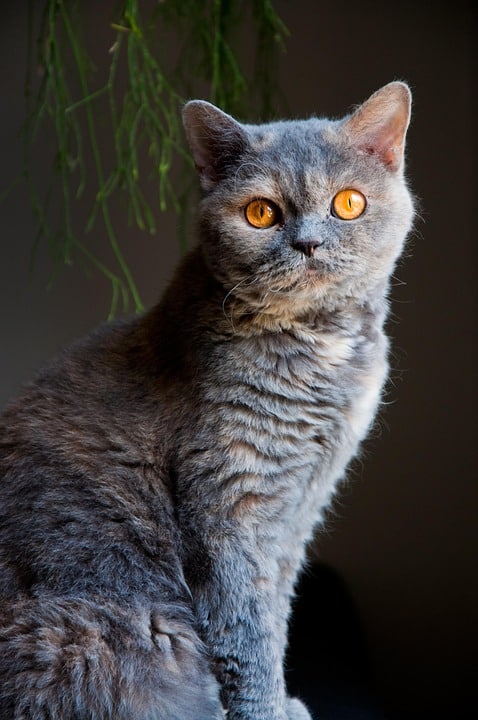
Selkirk Rex: The Affectionate Feline with a Unique Curly Coat
The Selkirk Rex is an enchanting breed of cat, easily recognized by its distinct curly fur and playful personality. Considered a relatively new addition to the world of cat breeds, the Selkirk Rex has gained popularity for its charming looks and affectionate nature. In this article, we’ll explore the history, temperament, grooming needs, and health considerations of this delightful breed, along with insights into the benefits of having a furry friend as an emotional support animal (ESA).
A Brief History
The Selkirk Rex originated in the United States in the late 1980s. The breed was born when a curly-haired cat was discovered in a shelter in Montana. This unique cat caught the attention of breeders, leading to the development of the Selkirk Rex by crossing the curly-haired cat with a British Shorthair and a Persian. Just four generations later, the breed was recognized by The International Cat Association (TICA) in 1994.
Temperament and Personality Traits
The Selkirk Rex is known for its loving and gentle disposition. Here are some notable personality traits:
- Affectionate: This breed typically bonds closely with its human companions, enjoying cuddles and lap time.
- Playful: Selkirk Rex cats are often characterized by their playful behavior, making them fun companions for families and individuals.
- Intelligent: They are smart cats that can learn new tricks and enjoy engaging in mental stimulation activities.
- Social: These cats thrive on social interaction and are generally friendly toward other pets and children.
Grooming Needs
One of the charming features of the Selkirk Rex is its curly coat. Their unique fur can require specific grooming practices:
- Regular Brushing: Even though their hair is curly, Selkirk Rex cats still benefit from regular brushing to prevent matting and hairballs. A brush designed for curly hair is ideal.
- Bathing: They may require occasional baths to keep their coat in good shape, especially since curly fur can trap dirt and oils.
- Ear Cleaning: Regular checks and cleaning of the ears are also important, as they can accumulate wax.
Health Considerations
Overall, the Selkirk Rex is considered a healthy breed. However, like all cats, they can be prone to certain health issues.
- Genetic Conditions: Responsible breeders screen for common genetic disorders when breeding Selkirk Rex cats.
- Obesity: Monitor their diet closely, as they can be prone to weight gain.
- Regular Vet Visits: This is crucial for maintaining their health and catching any potential issues early.
Suitability for Households
Selkirk Rex cats can adapt to various living situations due to their friendly nature. They can thrive in:
- Families: Their playful and affectionate temperament makes them great companions for children.
- Singles and Couples: They offer companionship and emotional support for individuals and couples who enjoy cuddling and interactive play.
- Multi-pet Homes: Their social nature allows them to get along well with other pets, both cats and dogs.
Training and Socializing Tips
Training a Selkirk Rex can be a rewarding experience. Here are some tips to ensure positive interactions:
- Start Young: Begin training and socialization when they are kittens, as this sets the foundation for good behavior as they mature.
- Positive Reinforcement: Use treats and praise to encourage desirable behaviors; avoid harsh punishment.
- Playtime: Incorporate play into training sessions to keep them engaged and make learning fun.
- Socialization with Others: Expose them to various people and situations to help them become well-adjusted adults.
Understanding emotional support animals
An Emotional Support Animal (ESA) provides comfort and emotional stability to individuals experiencing stress, anxiety, depression, or other mental health challenges. Unlike service animals trained to perform specific tasks, ESAs primarily serve to offer companionship.
Benefits of Designating Your Pet as an ESA
- Emotional Comfort: Having a pet like a Selkirk Rex can alleviate feelings of loneliness and provide a sense of companionship.
- Reduce Anxiety: Interacting with a pet can decrease levels of stress hormones in the body while increasing feelings of happiness and calm.
- Increased Social Interaction: Pets often serve as social catalysts, helping their owners connect with others.
Real-Life Examples
Many individuals report experiencing a notable shift in their mental health after incorporating a pet into their daily lives:
- Sarah, a college student, found that cuddling with her Selkirk Rex, Leo, helped her manage anxiety during exams. Whenever she felt overwhelmed, snuggling Leo provided immediate comfort.
- Tom, a retiree, suffered from loneliness after losing his spouse. Adopting a Selkirk Rex gave him a renewed purpose and companionship, significantly enhancing his emotional well-being.
How Dogs and Cats Provide Emotional Support
Research shows that pets positively impact mental health. Here’s how:
- Companionship: Pets offer unconditional love and companionship, alleviating feelings of isolation.
- Routine: Caring for a pet creates a sense of structure and responsibility, which can be beneficial for those struggling with mental health challenges.
- Physical Contact: Touching and petting animals release oxytocin, which can reduce stress and increase feelings of happiness.
Key Information
- The Selkirk Rex is a unique cat breed known for its curly coat and gentle personality.
- They require regular grooming and are generally healthy, with some specific health considerations.
- Suitable for various households, they thrive on social interaction.
- Training and socialization are essential for their behavioral development.
- Emotional Support Animals like Selkirk Rex cats can provide significant emotional and psychological benefits.
FAQs About Emotional Support Animals
1. What is an Emotional Support Animal?
An ESA is an animal that provides emotional comfort and support to individuals with mental or emotional conditions.
2. Can any pet be an ESA?
Yes, almost any domesticated animal can qualify as an ESA, including cats, but it’s important that they provide the necessary emotional support.
3. How do I designate my pet as an ESA?
You typically need a letter from a licensed mental health professional stating that you require an ESA for emotional support.
4. Are ESAs allowed in all public places?
Unlike service animals, ESAs do not have the same public access rights. Laws vary by location.
5. Do ESAs require special training?
No, ESAs do not require specialized training like service animals do, but basic obedience is helpful.
6. Can an ESA help with anxiety?
Yes, many individuals find that companionship from an ESA helps reduce anxiety and provides emotional stability.
7. How do I care for my ESA?
Standard pet care, including proper nutrition, medical care, and love, is essential for your ESA.
8. Can I take my ESA on airplanes?
Policies vary by airline, and many have updated their regulations regarding ESAs. Always check in advance.
Conclusion
If you’re considering adding a furry friend to your home, the Selkirk Rex could be a perfect choice. With their unique curly coat and affectionate nature, they’re excellent companions for various lifestyles. If you feel you could benefit from emotional support, designating your pet as an ESA might offer additional comfort and companionship.
For those seeking reliable certification for their ESA, consider visiting Veripaw.org. Since 2012, Veripaw has helped pet owners connect with licensed mental health professionals and provided assistance in obtaining ESA documentation, alongside access to quality pet accessories. Start your journey towards emotional well-being with a loving companion today!

