
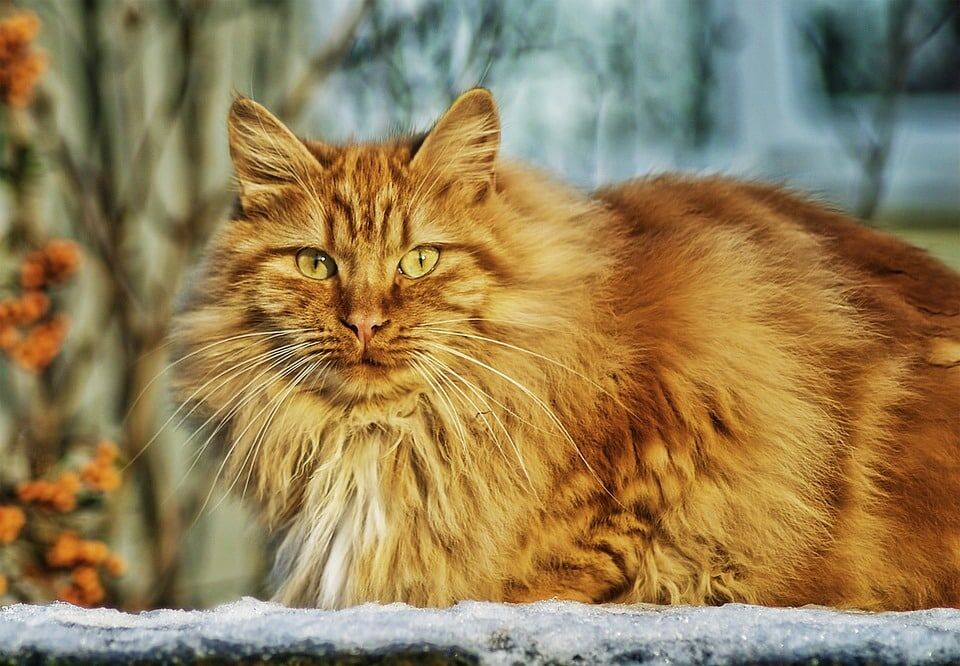
Norwegian Forest Cats: The Gentle Giants of Feline Affection
Norwegian Forest Cats are a remarkable breed known for their stunning appearance and affectionate nature. Often referred to as “gentle giants,” these cats possess a multitude of qualities that make them ideal companions for pet lovers. From their fascinating history to their unique personality traits, Norwegian Forest Cats have a lot to offer. In this article, we’ll explore everything you need to know about this beloved breed, as well as the emotional support they provide.
History of the Norwegian Forest Cat
The Norwegian Forest Cat, or “Norsk Skogkatt,” has a storied history that dates back centuries. Originating in Norway, this breed is believed to have descended from domestic cats brought by Vikings thousands of years ago. They adapted to the harsh Scandinavian climate, developing thick, water-repellent fur and a robust body designed for climbing trees and navigating snowy terrain. Norwegian Forest Cats were cherished by farmers for their ability to control rodent populations and quickly became part of local folklore and mythology.
This breed gained popularity in the late 20th century and was officially recognized by cat registries in the 1970s. These cats are now beloved not just in Norway but around the world for their charming personalities and striking appearance.
Temperament and Personality Traits
Norwegian Forest Cats are known for their playful, gentle nature. They tend to be affectionate without being overly demanding, making them ideal for families, single households, and even seniors. Here are some key personality traits:
- Affectionate: They love spending time with their owners and often seek out attention.
- Intelligent: Norwegian Forest Cats are clever and can quickly learn tricks or commands.
- Social: They typically get along well with children and other pets, including dogs.
- Curious: These cats love to explore their surroundings, so providing them with various toys and climbing structures helps keep them mentally stimulated.
Grooming Needs
While Norwegian Forest Cats have beautiful, long fur, their grooming needs are relatively manageable. Here are some tips to keep their coats healthy:
- Brushing: Regular brushing, at least once a week, will help reduce shedding and prevent matting. During shedding seasons, more frequent brushing may be necessary.
- Bathing: These cats don’t usually require frequent baths, but occasional bathing can help keep their fur clean.
- Ear and Dental Care: Regularly check their ears for dirt and wax buildup, and maintain good dental hygiene by providing dental treats or toys.
Health Considerations
Norwegian Forest Cats are generally healthy, but potential health issues can include:
- Hypertrophic Cardiomyopathy (HCM): A common heart condition in cats that can be inherited.
- Joint Issues: Due to their large size, they can be prone to joint problems over time.
Regular veterinary check-ups can help catch any health concerns early.
Suitability for Different Types of Households
Norwegian Forest Cats thrive in various environments, making them suitable for:
- Families: Their social and gentle nature makes them great companions for children.
- Single Owners: They offer companionship and emotional support for individuals living alone.
- Multi-Pet Households: They generally get along with other pets, including dogs.
Whether you live in an apartment or a house, as long as you provide enough space and stimulation, a Norwegian Forest Cat can be a happy and healthy member of your family.
Tips for Training and Socializing
Training a Norwegian Forest Cat is both fun and beneficial. Here are a few tips to ensure success:
- Start Early: Begin training your kitten as soon as you bring them home. This helps establish routines and builds trust.
- Use Positive Reinforcement: Reward your cat with treats or affection whenever they exhibit desired behaviors.
- Socialization: Introduce your cat to various people, pets, and environments to build their confidence and social skills.
emotional support animals (ESA)
An emotional support animal (ESA) is a pet that provides comfort and support to a person experiencing emotional or mental health issues. Unlike service animals, ESAs do not have specialized training; rather, their presence can help alleviate symptoms of anxiety, depression, or stress.
Benefits of Designating Your Pet as an ESA
- Emotional Comfort: Many people find comfort in the presence of their pets. Just petting a cat can trigger the release of oxytocin, reducing stress.
- Companionship: Pets provide unconditional support and companionship, helping individuals feel less isolated.
- Routine and Responsibility: Caring for a pet can offer structure to a person’s day, providing motivation and purpose.
Real-Life Examples
Consider Anna, who struggled with anxiety after losing her job. After adopting a Norwegian Forest Cat named Leo, she found that spending time with him reduced her feelings of anxiety and loneliness. Similarly, Mark, a veteran dealing with PTSD, reported that his cat helped ground him during stressful moments, proving to be a source of genuine comfort.
Key Information
- Breed Overview: Norwegian Forest Cats are affectionate and intelligent, originating in Norway.
- Temperament: They are known for their social nature and friendly disposition.
- Grooming: Regular brushing and occasional baths are essential for coat maintenance.
- Health: They can be prone to certain hereditary conditions; regular vet visits are recommended.
- Training: Use positive reinforcement and early socialization for successful training.
- ESAs: Provide emotional support and companionship, helping reduce anxiety and stress.
How Dogs and Cats Provide Emotional Support
Pets naturally create a calming environment in their owners’ lives. Studies have shown that interacting with pets can lower levels of cortisol, the stress hormone, and increase the production of serotonin and dopamine, neurotransmitters related to happiness and well-being.
The Science Behind Emotional Support
- Lower Blood Pressure: Petting an animal can lower blood pressure, leading to a sense of relaxation.
- Improved Mood: The simple act of cuddling your cat can boost mood and emotional well-being.
- Social Interactions: Pets can encourage owners to connect with others, reducing feelings of isolation.
FAQs About Emotional Support Animals
-
How can I register my pet as an ESA?
- You can connect with licensed mental health professionals who can assess your need for an ESA and provide the necessary documentation.
-
Is certification necessary for ESAs?
- While official certification isn’t required, having documentation from a mental health provider can help you access housing or travel with your pet.
-
Can any animal be an ESA?
- Generally, dogs and cats are the most common animals designated as ESAs, but under certain circumstances, other animals may qualify.
-
Are ESAs allowed in public places?
- Unlike service animals, ESAs do not have guaranteed access to all public spaces.
-
Do ESAs require special training?
- No formal training is required for ESAs; their role is primarily about providing emotional comfort.
-
Can I take my ESA on an airplane?
- Aircraft policies vary, so you will need to check with the airline regarding ESA travel.
-
What responsibilities come with being an ESA owner?
- ESA owners are responsible for the care and health of their animal, including regular vet visits and proper training.
-
Do I need to disclose my ESA status?
- You’re not required to disclose your ESA status unless it’s necessary for housing or travel purposes.
-
Are there breed restrictions for ESAs?
- Most policies focus on the individual’s emotional needs rather than specific breeds.
-
How can I find a mental health professional for ESA documentation?
- Many resources, including websites like Veripaw.org, can connect you with licensed professionals who understand ESA needs.
Conclusion
Norwegian Forest Cats serve not only as loving companions but also as potential Emotional Support Animals, bringing comfort and joy to many. If you’re considering designating your pet as an ESA, look no further than Veripaw.org. Since 2012, they have helped pet owners connect with licensed mental health professionals to obtain ESA documentation and access high-quality pet accessories. Embrace the comfort and love that a Norwegian Forest Cat can provide—both for you and your mental well-being!

