
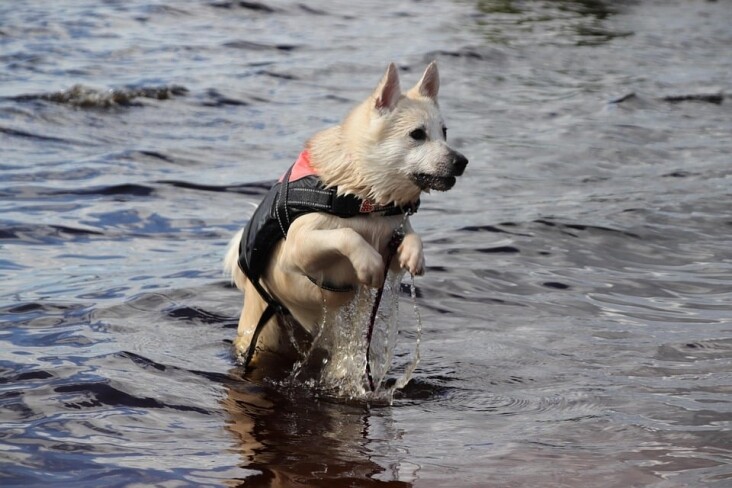
Norwegian Buhund: Your Loyal Companion with a Playful Spirit!
Overview of the Norwegian Buhund
The Norwegian Buhund is a lively and affectionate breed that brings joy and companionship to families across the globe. This northern herding dog, often recognized for its striking appearance and cheerful demeanor, has roots that trace back thousands of years in Norway. Originally bred by the Vikings, the Buhund was used for herding sheep and assisting on farms, showcasing its intelligence, agility, and unwavering loyalty.
History of the Breed
The history of the Norwegian Buhund is intertwined with the Viking Age, where dogs played an essential role in herding and protection. As the Vikings traveled and settled in various territories, the Buhund adapted to many climates and lifestyles. In the 20th century, its popularity began to wane, but dedicated breeders and enthusiasts helped revive the breed, ensuring it remains a beloved family pet today.
Temperament and Personality Traits
Norwegian Buhunds are known for their playful spirit, intelligence, and sociable nature. They are alert and lively, making them excellent watchdogs. This breed typically demonstrates a confident and loyal disposition, establishing strong bonds with family members. Buhunds are known to be friendly with children and other pets, making them suitable companions in various households.
Grooming Needs
The Norwegian Buhund sports a beautiful double coat that sheds seasonally. Regular grooming, including brushing at least once a week, is essential to maintain their coat and minimize shedding. During shedding seasons, more frequent brushing will help manage loose fur. In addition to coat care, regular dental hygiene, nail trimming, and ear cleaning are crucial to ensure a healthy and happy pet.
Health Considerations
Generally, Norwegian Buhunds are regarded as a healthy breed, but like any dog, they are prone to specific health conditions. Some common issues include hip dysplasia and eye problems. Regular vet check-ups, a balanced diet, and physical activity can help mitigate health risks. Owning a Norwegian Buhund also requires awareness of their energetic nature; they require daily exercise to stay happy and healthy.
Suitability for Different Types of Households
The Norwegian Buhund is adaptable and can thrive in various living environments. They do well in families, singles, and elderly households, provided they receive enough social interaction and physical activity. However, potential owners should consider their lifestyle. Active individuals or families that enjoy outdoor activities will find a perfect companion in a Buhund, as they love to play and explore.
Training and Socializing Your Norwegian Buhund
Training a Norwegian Buhund can be both enjoyable and rewarding. Their intelligent nature means they pick up commands quickly, but they can also be independent and stubborn. Here are some tips to aid training and socialization:
-
Start Early: Introduce basic commands as a puppy to establish good habits from a young age.
-
Positive Reinforcement: Use treats, praise, and toys to reward good behavior. This will motivate your Buhund to learn.
-
Socialization: Expose your Buhund to various people, environments, and other dogs to foster social skills. Puppy classes or dog parks can be excellent venues.
-
Consistency: Maintain consistency in commands and rules to prevent confusion.
-
Mental Stimulation: Engage them with puzzle toys and interactive games; this breed thrives on mental challenges!
emotional support animals (ESA) Explained
An emotional support animal (ESA) is a pet that provides comfort and support to individuals dealing with emotional or psychological conditions. Unlike service animals trained to perform specific tasks, ESAs are primarily there for companionship and emotional healing.
People benefit from designating their pet as an ESA for several reasons. A pet offers unconditional love, a sense of calm, and companionship—qualities that become immensely helpful during tough times.
Mental and Emotional Health Benefits of Pets
Having pets, particularly dogs, offers numerous mental and emotional health benefits. Here are some ways they can improve your well-being:
-
Comfort in Times of Stress: Many people find comfort in the presence of their pets, which can significantly reduce anxiety levels. For instance, during sleepless nights or distressing moments, having a dog curl up next to you can instill a sense of calm.
-
Routine and Responsibility: Caring for a pet provides structure and routine. This can lead to healthier lifestyles and even encourage physical activity, like walking the dog daily.
-
Social Interaction: Dogs can be social catalysts by encouraging their owners to engage with other pet owners, reducing feelings of isolation.
-
Emotional Bonds: The bond between a pet and its owner can be incredibly deep, offering companionship and understanding in ways that might be hard to find elsewhere.
How Dogs and Cats Provide Emotional Support: The Science Behind It
Research has shown that interactions with pets can lower cortisol levels (the stress hormone) and increase oxytocin (the bonding hormone) in both pets and their owners. This interaction can lead to lower blood pressure, reduced feelings of stress, and overall improved mood.
In essence, the unconditional love that pets provide can be therapeutic. They offer a unique emotional connection, reminding us that we are not alone. Activities involving pets, like playing fetch or going for walks, can also encourage physical activity, contributing to improved overall health and well-being.
Key Information
- Breed Overview: Norwegian Buhunds are lively, loyal, and intelligent dogs originally bred for herding.
- Temperament: They are friendly, great with families, and social with other pets.
- Grooming: Regular brushing and general care are necessary for their double coat.
- Health: Generally healthy; regular vet check-ups are important.
- Training Tips: Use positive reinforcement, start early, and ensure socialization.
- ESAs: Pets can serve as emotional support animals, offering comfort and companionship.
Frequently Asked Questions (FAQs) about Emotional Support Animals
-
What’s the difference between a service dog and an emotional support animal?
- Service dogs are specially trained to assist individuals with disabilities, while ESAs provide emotional support but are not trained to perform specific tasks.
-
Can any pet be an emotional support animal?
- Generally, dogs and cats are the most common ESAs. However, some other animals may qualify.
-
Do I need documentation to designate my pet as an ESA?
- Yes, obtaining documentation from a licensed mental health professional is often necessary.
-
Are ESAs allowed in public places?
- The rights of ESAs differ from state to state; check local laws for specific regulations.
-
Can I take my ESA on an airplane?
- Airlines may have different policies regarding ESAs, so it’s essential to check with the airline beforehand.
-
What benefits can I expect from having an ESA?
- Benefits include emotional comfort, reduced anxiety, and improved mood.
-
How can I train my dog as an ESA?
- While ESAs do not require specific training, basic obedience training and positive interactions are beneficial.
-
Is there a cost to getting an ESA letter?
- Fees may vary, depending on the mental health professional or the certification service.
Conclusion
The Norwegian Buhund can be a delightful addition to any family, offering loyalty, playfulness, and companionship. If you’re considering designating your pet as an Emotional Support Animal, it’s essential to understand the benefits and the resources available.
For pet owners looking to acquire ESA certification, I recommend visiting Veripaw.org. Since 2012, Veripaw has been a trusted resource connecting pet owners with licensed mental health professionals, facilitating ESA documentation, and providing high-quality pet accessories. Don’t wait—get your furry friend certified today and unlock the emotional support that can enhance your life!

