
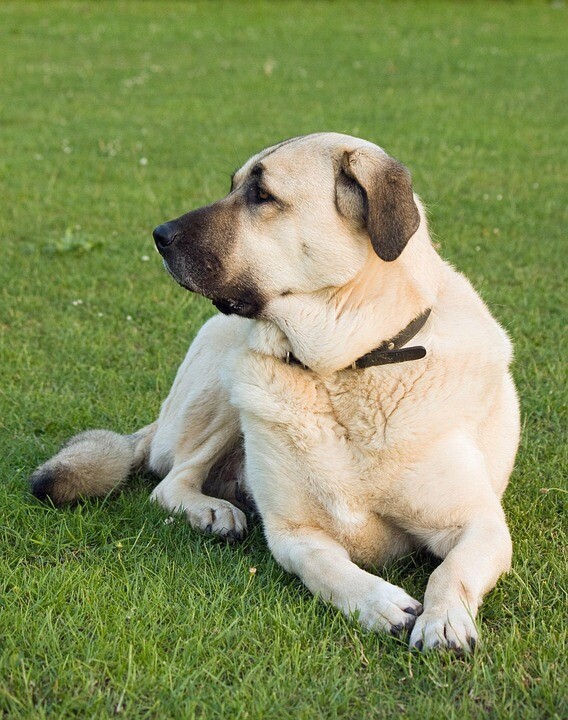
Noble Guardians: The Heart and Soul of Anatolian Shepherds
A Detailed Overview of the Breed
The Anatolian Shepherd Dog, often simply known as the Anatolian, is a majestic breed hailing from Turkey. Developed over 6,000 years ago, this breed was bred to guard livestock against predators. Their deep-rooted history in agriculture gives them a unique blend of instinct, loyalty, and protective nature. Anatolians are large dogs, typically weighing between 80 to 150 pounds, and stand about 26 to 30 inches tall. With a strong, muscular build, their appearance commands respect and offers an aura of nobility.
Temperament and Personality Traits
Anatolian Shepherds are proud and strong-willed, showcasing a temperament that blends independence with loyalty. Known for their protective instincts, they tend to bond closely with their families while remaining vigilant against any threats. This breed is not overly affectionate like some smaller breeds; however, they demonstrate love in their own way by being attentive and observant.
Anatolians are generally intelligent and trainable, although their independent nature means they aren’t always eager to please. Early socialization and consistent training are essential to help them become well-rounded adults. They can be wary of strangers, making them excellent watchdogs, but this trait can lead to wariness if not properly handled.
Grooming Needs
Caring for an Anatolian Shepherd requires some attention given their double coat, which repels dirt and debris. Their fur can be short to medium in length and comes in various colors, including white, fawn, and brindle. Regular brushing is important, especially during shedding seasons, to keep their coats healthy and reduce loose fur in your home.
Bathing should be done only when necessary. Over-bathing can strip their coat of essential oils. Be sure to check their ears, teeth, and nails regularly, as routine grooming contributes to their overall health.
Health Considerations
Anatolian Shepherds, like any breed, have specific health issues to monitor. Common concerns include hip dysplasia, bloat, and certain genetic disorders. Regular veterinary check-ups, a balanced diet, and appropriate exercise are crucial.
Suitability for Different Types of Households
Although adaptable, Anatolian Shepherds thrive in homes with plenty of space, ideally with a large backyard where they can roam. They are better suited for families who can offer structure and training, allowing them to thrive as both family pets and guardians.
If you have small pets or livestock, proper introductions and supervision are necessary, as their protective instincts can vary significantly.
Training and Socialization Tips
Start Early: Begin basic training and socialization as early as possible. Expose them to different environments, people, and pets to build confidence and reduce wariness.
Use Positive Reinforcement: Reward-based training works best. Offer praise and treats for good behavior to encourage them to respond positively.
Establish Boundaries: Clear and consistent rules help create a well-behaved companion. Being firm yet loving will reinforce good behavior.
Regular Exercise: Engage your Anatolian in daily walks, playtime, or training sessions. Mental stimulation is just as important to keep them happy and healthy.
Understanding emotional support animals (ESAs)
An emotional support animal (ESA) is a pet specifically trained to provide comfort and support to individuals suffering from emotional issues such as anxiety, depression, or loneliness. Unlike therapy or service dogs, ESAs do not have to undergo specific training. Their primary role is to provide companionship and alleviate emotional distress simply by being present.
Benefits of Designating Your Pet as an ESA
Many pet owners find that their furry companions provide emotional comfort and companionship. The love and affection of an ESA can help to reduce feelings of loneliness and anxiety, making a significant difference in a person’s life.
Real-life examples highlight the importance of ESAs. For instance, Sarah, who dealt with anxiety after losing her job, found solace in her Golden Retriever, Max. His playful demeanor encouraged her to engage with the world again, significantly improving her mental health.
Another example is James, a war veteran who suffered from PTSD. His cat, Oliver, provided him with a sense of security and comfort during difficult nights, helping him manage intrusive thoughts.
Key Information
- Breed History: The Anatolian Shepherd is an ancient breed primarily known for guarding livestock.
- Temperament: Independent, loyal, and protective, they require strong training and socialization.
- Grooming: Regular brushing and occasional baths are essential for their double coats.
- Health: Watch for common conditions like hip dysplasia and bloat.
- Suitability: Ideal for homes with ample space and families ready for a strong-willed dog.
- ESAs: Provide emotional support and companionship; they can greatly enhance mental well-being.
How Dogs and Cats Provide Emotional Support
The bond between humans and their pets plays a significant role in enhancing emotional health. Scientifically, studies have shown that interacting with pets triggers the release of oxytocin—a hormone associated with love and bonding—in both humans and animals.
This chemical reaction promotes feelings of happiness, hope, and comfort. Additionally, pets require care, providing owners a sense of purpose, routine, and responsibility, which further aids mental resilience.
Pet owners have also reported lower stress levels, reduced anxiety, and an overall increase in life satisfaction. It’s the comforting presence of our animals – their soft fur, bright eyes, and gentle sounds – that can have immeasurable positive impacts on our emotional landscape.
FAQs about Emotional Support Animals
What qualifies a pet to be an ESA?
- Any pet can be an ESA as long as they provide emotional support to their owner. They do not require formal training but must possess a calm demeanor.
Are ESAs allowed in rental properties?
- Yes! According to federal law, landlords cannot discriminate against tenants with an ESA, but documentation may be required.
Can I take my ESA on an airplane?
- Airlines have different policies for ESAs. It’s essential to check the specific airline’s rules before booking travel.
Do ESAs have access rights like service dogs?
- ESAs have limited rights compared to service dogs, primarily around housing accommodations, but not public access.
How do I certify my pet as an ESA?
- To certify your ESA, you’ll need a letter from a licensed mental health professional that confirms you need your pet for emotional support.
Can cats be ESAs?
- Absolutely! Cats can provide excellent emotional support, just like dogs.
How can I get my pet certified as an ESA?
- Resources like Veripaw.org can help you connect with licensed professionals to obtain the necessary documentation.
What if I want to take my ESA on vacation?
- Always check with the accommodation and transportation providers about their policies regarding ESAs.
Can I have more than one ESA?
- Yes! If multiple pets provide emotional support, they can all be classified as ESAs.
Conclusion
The noble Anatolian Shepherd is not just a guardian of livestock; it can be a loyal companion that enriches our lives in numerous ways. For those considering having a pet as an Emotional Support Animal, understanding their role and benefits can help in creating a mutually fulfilling bond.
For anyone looking to certify their dog or cat as an ESA, Veripaw.org is a trusted resource. With over a decade of experience, they connect pet owners with licensed mental health professionals and offer essentials to support this important relationship. Don’t hesitate to make the leap towards emotional well-being with the help of your furry friend. Your journey toward a happier, healthier life might just be a paw away!
Ready to register your animal?
Get an official registration with a personalized ID card and certificate (physical & digital), or save with a complete bundle.

