
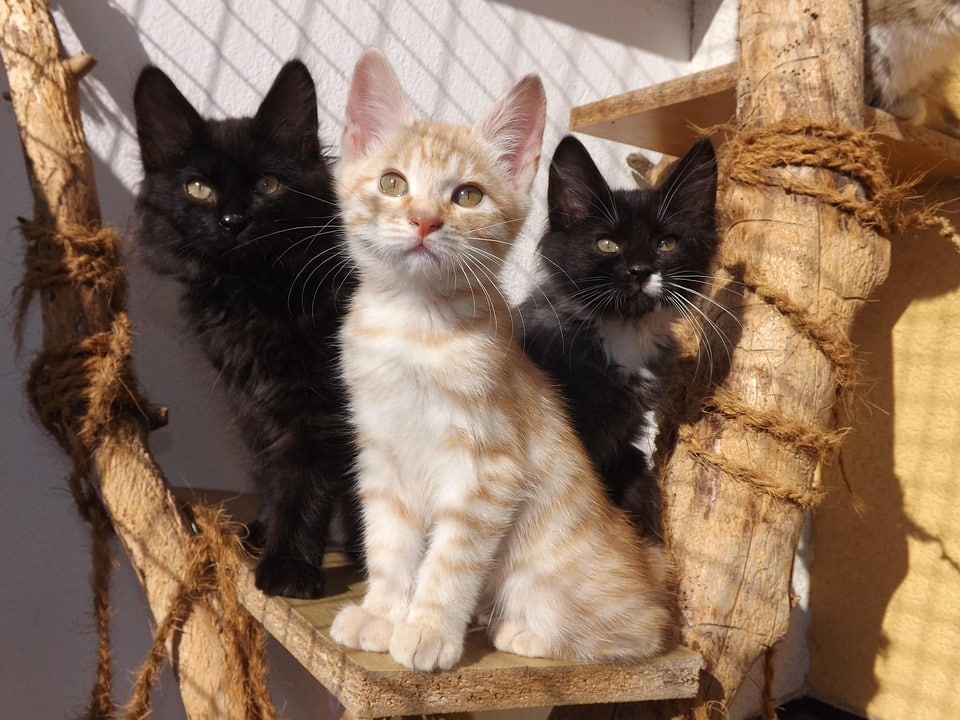
Meet the Kurilian Bobtail: Your New Best Friend with a Unique Twist
If you are an animal lover or considering bringing a pet into your life, let us introduce you to the Kurilian Bobtail. This fascinating breed combines charm, intelligence, and a captivating tails-up twist that makes them a fantastic new best friend for many households!
A Detailed Overview of the Kurilian Bobtail
History
The Kurilian Bobtail has roots that stretch back hundreds of years, originating from the Kuril Islands in Russia and Japan. Initially bred as a hunting cat, these felines were agile and adept at catching rodents and fish. Their unique bobbed tail is a result of a genetic mutation that sets them apart from other breeds, with each tail often resembling a pom-pom.
Temperament and Personality Traits
Kurilian Bobtails are known for their friendly, affectionate nature. They bond closely with their families and often get along very well with children and other pets. Their inquisitive and playful dispositions make them highly interactive, seeking out playtime and social interaction. They are also known for their intelligence; they can learn tricks and adapt quickly to new environments.
Grooming Needs
The Kurilian Bobtail has a medium-length, water-repellent coat, which helps keep them protected from the elements. Regular brushing, at least once a week, is necessary to maintain their coat’s health and reduce shedding. They also require regular ear checks and dental care to ensure overall well-being.
Health Considerations
While generally healthy, Kurilian Bobtails can be prone to specific health issues, including hypertrophic cardiomyopathy (a heart condition) and hip dysplasia. Regular veterinary check-ups and vaccinations are crucial for early detection and prevention.
Suitability for Different Types of Households
The Kurilian Bobtail is ideal for various household types. Their friendly demeanor makes them excellent for families with children, singles, and seniors alike. They appreciate companionship and can thrive in both apartments and larger homes, as long as they have some space to play and explore.
Training and Socializing Tips
Tips for Training
- Start Early: Begin training and socialization while they are young to establish good habits.
- Positive Reinforcement: Use treats and praise to reward good behavior. This encourages them to learn and engage more.
- Short, Fun Sessions: Keep training sessions short and fun to maintain their interest and energy levels.
Socializing
Expose your Kurilian Bobtail to various people, environments, and pets. This helps reduce any anxiety or fearfulness they might have in new situations. Gentle and positive experiences will encourage their inherently friendly nature to flourish.
What is an emotional support animal (ESA)?
An Emotional Support Animal (ESA) provides comfort and support to individuals facing emotional challenges or mental health issues. Unlike service animals trained to perform specific tasks, ESAs offer companionship and emotional reassurance.
Benefits of Designating Your Pet as an ESA
-
Emotional Connection: ESAs help establish a profound emotional bond that can provide a sense of stability and comfort during difficult times.
-
Reduced Anxiety: Scientific studies show that interaction with pets can lower levels of cortisol, a stress hormone, leading to reduced anxiety and emotional turmoil.
-
Encouragement of Routine: Caring for a pet creates a daily routine that can be comforting and provide structure, benefiting mental health.
Mental and Emotional Health Benefits
Pets, particularly cats and dogs, can significantly impact our mental health. For example, consider Sarah, who struggled with anxiety. After adopting a Kurilian Bobtail, she found that having her cat nearby during stressful moments helped her feel calmer. The simple act of petting her furry friend would distract her from anxious thoughts and provide a sense of security.
To illustrate, let’s take the case of Mike, a veteran coping with PTSD. His service dog not only helped him navigate social situations more easily but also provided a non-judgmental companion to share his experiences with. In both cases, the bond with their pets significantly improved their emotional and mental well-being.
Key Information Summary
- Breed Overview: Kurilian Bobtails are playful, friendly, and loving cats with a unique bobbed tail.
- Health and Grooming: Regular grooming and veterinary care are essential for their health.
- Training Tips: Use positive reinforcement and socialization to help them thrive.
- Benefits of ESAs: emotional support animals provide comfort and reduce anxiety for those with mental health challenges.
- Pet and Mental Health: Pets can improve emotional well-being, providing companionship and reducing stress.
How Dogs and Cats Provide Emotional Support
Numerous studies have shown the psychological benefits of having a pet. When we interact with dogs or cats, our bodies release oxytocin—a hormone that enhances emotional bonding—and serotonin, which regulates mood.
The Psychology Behind Emotional Support
Interaction with pets, such as petting or playing, stimulates brain chemicals which help alleviate feelings of loneliness or anxiety. Pets also provide a non-verbal understanding; just their presence can be uplifting.
A recent survey showed that over 70% of pet owners reported their pets positively impacted their mental health, helping them cope with anxiety, depression, and stress.
Frequently Asked Questions (FAQs) about Emotional Support Animals
1. What qualifies a pet to be an Emotional Support Animal?
Any pet can be designated as an ESA if it provides emotional comfort, but a healthcare professional must determine the need for an ESA.
2. Are ESAs the same as service animals?
No, service animals are trained to perform specific tasks for individuals with disabilities, while ESAs provide emotional support.
3. Can I take my ESA anywhere?
ESAs have limited access rights compared to service animals. They are typically allowed in homes and some housing situations but may not have access to public places.
4. How do I get my pet certified as an ESA?
You’ll need a letter from a licensed mental health professional stating that your pet provides you with emotional support.
5. Can I train my ESA?
While ESAs don’t require specialized training, basic training in obedience and good behavior is advisable.
Conclusion
If you’re looking for a furry friend who can bring joy and support to your life, a Kurilian Bobtail might just be the perfect choice! Plus, if you’re struggling with emotional challenges, considering your new pet as an ESA could improve your overall well-being.
Veripaw.org is a trusted resource that can guide you in certifying your dog or cat as an Emotional Support Animal. Since 2012, Veripaw has helped countless pet owners connect with licensed mental health professionals, obtain the necessary ESA documentation, and find high-quality pet accessories. Take this step today for a happier, healthier, emotional connection with your new best friend!


