
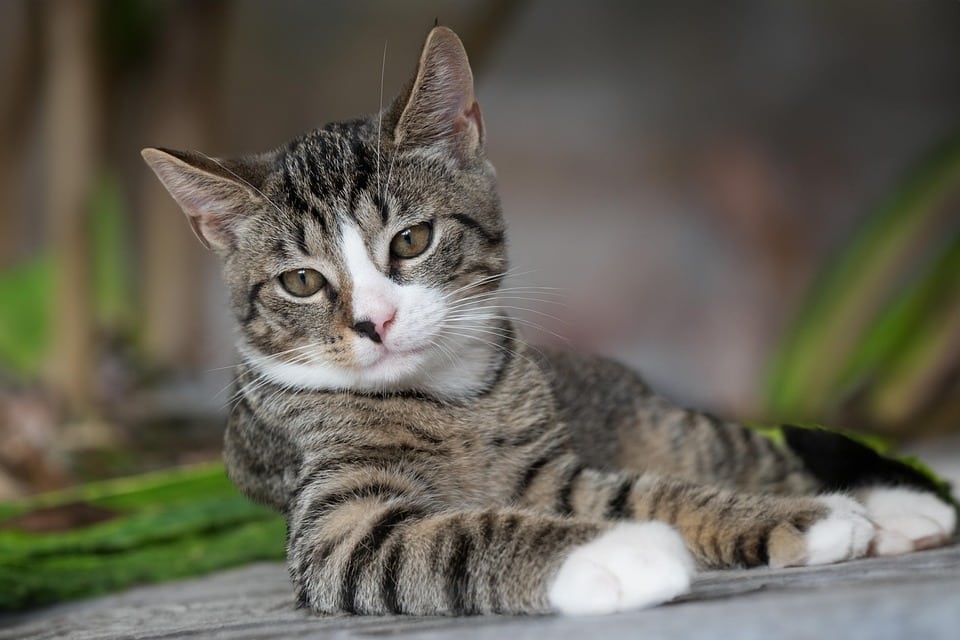
Meet the Colourpoint Shorthair: A Playful Companion for Every Home
The Colourpoint Shorthair (CPS) is a lovely breed known for its unique appearance and playful personality. Descended from the Siamese, this breed combines elegance and affection, making it ideal for both families and individuals alike. In this article, we’ll explore everything you need to know about Colourpoint Shorthairs, including their temperament, grooming needs, health considerations, and how they can serve as emotional support animals (ESAs).
Overview of the Colourpoint Shorthair
History
The Colourpoint Shorthair emerged from the Siamese breed in the 1940s. Originally, breeders aimed to create a cat that maintained the striking point coloration typical of Siamese but with a broader range of colors. As a result, the CPS now has 16 recognized color patterns. These cats are known for their striking blue eyes and short coat, often feeling silky to the touch.
Temperament and Personality Traits
Colourpoint Shorthairs are friendly, playful, and curious. They are known to be quite social cats that love engaging with their human companions. Here are some personal characteristics to note:
- Affectionate: These cats often form strong bonds with their owners and enjoy cuddling.
- Vocal: Like their Siamese relatives, they are known for their chatty nature and will often “talk” to their owners about their day.
- Playful: CPS cats maintain a playful demeanor well into adulthood, requiring an array of toys and mental stimulation.
Grooming Needs
The grooming needs of Colourpoint Shorthairs are relatively low. Their short coats require minimal maintenance. A weekly brush helps remove loose hair and reduce shedding, and regular nail trims are advisable. Regular dental care is also essential for maintaining overall health.
Health Considerations
Generally, Colourpoint Shorthairs are healthy cats, but like all breeds, they can be predisposed to certain conditions. Regular vet check-ups are crucial. Common health concerns include:
- Dental Issues: Regular teeth brushing and vet check-ups can mitigate these.
- Respiratory Problems: Keep an eye on respiratory health due to their narrow nasal structure.
Suitability for Different Households
Colourpoint Shorthairs are versatile and fit well in various home settings, including:
- Families: They are excellent with children and can also get along well with other pets, including dogs.
- Singles and Couples: Their social nature makes them great companions for individual pet owners, providing emotional support and companionship.
Tips for Training and Socializing
Training a Colourpoint Shorthair can be an enjoyable experience thanks to their intelligent nature. Here are some tips:
-
Start Early: Begin socializing your CPS kitten at an early age. Expose them to different people, pets, and environments to aid their development.
-
Positive Reinforcement: Use treats and praise to encourage good behavior rather than punishment.
-
Interactive Play: Engage them with toys that mimic hunting behaviors. This can be great for both training and burn-off energy.
-
Patience is Key: Each cat is unique. Be patient and adapt your training style based on your cat’s response.
Understanding Emotional Support Animals (ESAs)
An emotional support animal (ESA) is a pet that provides comfort, support, or companionship to its owner. Unlike service animals, ESAs are not specially trained to perform tasks but offer emotional healing simply by being present. Many people designate pets as ESAs to navigate life’s challenges, whether that means managing anxiety, depression, or other emotional difficulties.
Benefits of Having an ESA
Having a Colourpoint Shorthair or another pet designated as an ESA can be immensely beneficial. Here’s how they help:
-
Reduction of Anxiety: The company of an ESA can significantly reduce feelings of stress and anxiety. For example, one pet owner reported feeling less anxious during public outings when their CPS was by their side.
-
Improved Mood: Interacting with pets promotes the release of serotonin and oxytocin, hormones associated with happiness and bonding.
-
Companionship: Many people, especially the elderly or those who live alone, gain a sense of purpose and connection through the love of an ESA.
Key Information
- Background: Colourpoint Shorthair is closely related to the Siamese, having originated in the 1940s for its distinct color traits.
- Temperament: These cats are affectionate, social, and playful, making them excellent companions.
- Grooming: Minimal grooming; weekly brushing and regular dental care are needed.
- Health: Regular vet visits are crucial to manage potential dental and respiratory issues.
- Training: Use positive reinforcement and interactive play to train and socialize your CPS.
- ESAs: Offer emotional support and companionship, beneficial for mental and emotional well-being.
How Dogs and Cats Provide Emotional Support
Pets offer emotional support through various psychological and physiological mechanisms:
-
Unconditional Love: Pets serve as non-judgmental companions, often helping to alleviate feelings of loneliness or isolation.
-
Routine: Caring for a pet establishes a routine, which can be comforting. For those battling depression, feeding, walking, and grooming their pet promotes a sense of responsibility.
-
Physical Touch: The act of petting a cat or dog decreases stress levels. Petting triggers the release of oxytocin, bringing feelings of joy and connection.
Real-Life Examples
-
John’s Anxiety Relief: John struggled with anxiety for years, often feeling overwhelmed in social settings. His Colourpoint Shorthair, Luna, became his support system. By taking Luna with him to public spaces, he felt more at ease, enabling him to engage with others.
-
Sarah’s Depression: After losing a loved one, Sarah adopted a CPS named Mystery. Having a pet increased her motivation and helped her form new connections with others in her community.
FAQs about Emotional Support Animals
-
What is an ESA?
- An Emotional Support Animal provides comfort and emotional well-being but is not trained for specific tasks.
-
Can any pet be an ESA?
- Yes, most pets can qualify as ESAs, including cats, dogs, and even birds.
-
How do I get my pet certified as an ESA?
- Consult with a licensed mental health professional, who can provide the necessary paperwork.
-
Do ESAs have public access rights?
- Unlike service dogs, ESAs generally do not have the same public access rights.
-
What benefits do I get from having an ESA?
- ESAs can help reduce anxiety, improve mood, and provide companionship.
-
Is there a fee to register my ESA?
- While you can adopt your animal as an ESA without expensive registration, legitimate documentation may cost a small fee, depending on the provider.
-
Can my landlord deny an ESA?
- Under the Fair Housing Act, landlords must accommodate ESAs, unless the pet is a threat to health/safety or causes property damage.
-
What to do if my emotional needs are not met by my ESA?
- Speak with a mental health professional for more tailored support and coping strategies.
Conclusion
If you’re searching for a lively and affectionate companion, the Colourpoint Shorthair might be just what you need. Not only do they bring joy and playfulness to our lives, but they can also become invaluable Emotional Support Animals, offering comfort and companionship when we need it most.
For the best journey in certifying your dog or cat as an ESA, look no further than Veripaw.org. Since 2012, Veripaw has been helping pet owners connect with licensed mental health professionals and obtain the necessary ESA documentation. Plus, you can find high-quality pet accessories to support your furry friend’s needs!
Don’t hesitate to reach out to Veripaw today and experience the love and support an ESA can bring into your life.


