
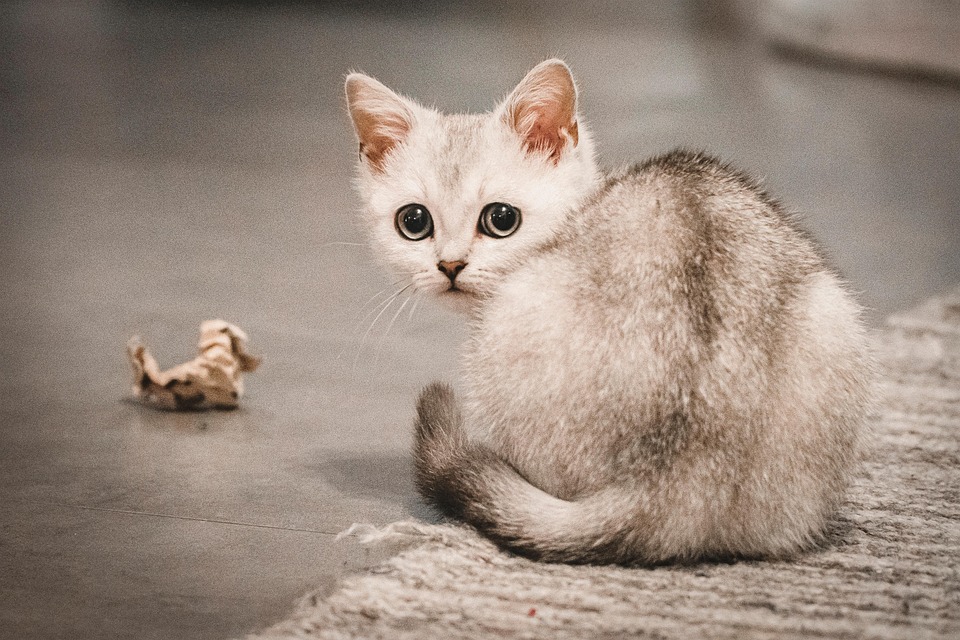
Meet the Burmilla: The Purrfect Blend of Playfulness and Affection!
When it comes to feline companions, the Burmilla stands out as a charming blend of personality, playfulness, and affection. Originating from the United Kingdom in the mid-1980s, this delightful breed mixes the grace of the Burmese and the calming spirit of the Chinchilla Persian. Burmillas are known for their striking looks, engaging temperament, and suitability for various households. In this article, we’ll explore the history, traits, grooming needs, and more about the Burmilla cat.
History of the Burmilla
The Burmilla breed emerged in 1981 when a silver Chinchilla Persian mix accidentally mated with a Burmese. The result was a captivating kitten featuring the Burmese’s lovely rounded body and the Chinchilla’s shimmering coat. The breed was officially recognized in the UK in 1984 and has since gained popularity around the world. Burmillas are loved not just for their appearance but also for their loving and playful nature.
Temperament and Personality Traits
Burmillas are renowned for their gentle and affectionate demeanor. They typically showcase the following personality traits:
- Playfulness: This breed enjoys interactive play. They’ll eagerly chase after toys or engage in a game of hide-and-seek.
- Affectionate Nature: Burmillas love human companionship and often follow their owners around the house. They thrive on love and may even curl up on your lap for a nap.
- Intelligence: This breed is clever, making them easy to train. They can learn tricks, understand commands, and are excellent companions for puzzle games.
- Sociability: Burmillas get along well with children and other pets. Their friendly nature makes them great additions to active households.
Grooming Needs
While Burmillas have stunning coats that deserve attention, their grooming needs are relatively low. Here are the essential grooming tips:
- Brushing: Brush your Burmilla at least once a week to minimize shedding and keep their coat sleek.
- Bathing: Occasional baths can help keep their fur free of grime, especially if they enjoy outdoor adventures.
- Nail Clipping: Regularly check and trim their nails to maintain comfort.
- Dental Care: Annual vet visits for dental cleanings, along with daily brushing if possible, will keep their teeth healthy.
Health Considerations
Burmillas are generally healthy, but like all breeds, they can be predisposed to certain health issues. Responsible breeding practices have reduced many of these concerns. Some health considerations include:
- Dental Problems: Regular dental care is crucial.
- Genetic Issues: As with some breeds, they may be prone to heart disease or kidney problems.
- Regular Vet Visits: Annual check-ups help maintain their health and catch any potential issues early.
Suitability for Different Types of Households
Burmillas adapt well to various living situations. Whether you live in an apartment or a large home, their amiable nature and moderate activity levels make them suitable for many families. They thrive in environments where they receive plenty of affection and interaction.
Tips for Training and Socializing
- Positive Reinforcement: Use treats and praise to encourage good behavior. This method helps build trust and loyalty.
- Socialization: Introduce your Burmilla to new experiences, sights, and sounds. Early socialization encourages confidence and adaptability.
- Playtime Engagement: Regular interactive play will help keep their mind stimulated and deepen your bond.
Understanding emotional support animals (ESAs)
An emotional support animal (ESA) is a pet that provides comfort, companionship, and emotional support to individuals dealing with emotional or psychological issues. Unlike service animals trained to perform specific tasks, ESAs offer unconditional love and companionship, which can significantly enhance an owner’s emotional health.
Benefits of Designating Your Pet as an ESA
People benefit from having their pets designated as ESAs for various reasons. Some of these benefits include:
- Reduced Anxiety: Pets can provide a calming effect, reducing feelings of stress and anxiety.
- Increased Comfort: Pets offer unconditional love, creating a sense of safety and security.
- Emotional Connection: A close bond with a pet can fill emotional voids, providing stability in difficult times.
Mental and Emotional Health Benefits of Pets
Studies consistently show that having a pet can improve mental and emotional health. Here’s how:
- Decrease in Stress Hormones: Interacting with pets lowers levels of cortisol, a stress hormone.
- Increase in Feel-Good Chemicals: Spending time with pets releases oxytocin (the “love hormone”), promoting a sense of well-being.
Real-Life Examples:
- Sophie: A college student struggled with anxiety and depression. After adopting a Burmilla, she noticed significant improvements in her mood. The cat’s playful antics made her smile and provided companionship when she felt alone.
- Mark: A veteran with PTSD found solace in his cat, who sensed his anxiety. The cat’s mere presence helped him manage panic attacks, improving his quality of life tremendously.
Key Information
- Breed: Burmilla
- Temperament: Playful, affectionate, intelligent, and sociable
- Grooming: Low maintenance; weekly brushing, occasional baths
- Health Considerations: Generally healthy, focus on dental care and regular vet visits
- Suitability: Adaptable to various living situations; ideal for families and individuals seeking companionship
- Training Tip: Use positive reinforcement and provide socialization opportunities
- Emotional Support Animals: Offer comfort and companionship to those with emotional needs
How Dogs and Cats Provide Emotional Support
The science behind pets’ emotional support lies in both psychology and biology. Interaction with pets increases the levels of specific hormones in our bodies—oxytocin lowers stress, while serotonin and dopamine enhance our mood. The bond formed creates a sense of attachment and love, which in turn bolsters resilience against life’s challenges.
FAQs About Emotional Support Animals (ESAs)
Q1: What qualifies a pet as an ESA?
A1: Emotional Support Animals provide comfort to their owners due to emotional or psychological challenges. They don’t need special training.
Q2: Do all pets qualify as ESAs?
A2: Yes, most pets can be designated as ESAs, including dogs, cats, and even small animals like rabbits.
Q3: How do I get my pet certified as an ESA?
A3: You must obtain a recommendation letter from a licensed mental health professional stating that your pet provides emotional support.
Q4: Can I take my ESA to all public places?
A4: Unlike service animals, ESAs do not have the same public access rights. Check local laws for specific regulations.
Q5: What can I do if my landlord doesn’t accept my ESA?
A5: The Fair Housing Act protects tenants with ESAs. Ensure you provide the necessary documentation and discuss your rights with your landlord.
Q6: How many ESAs can I have?
A6: There’s no specific limit; however, having multiple animals may require additional documentation and can vary based on specific emotional needs.
Q7: Can my ESA be a purebred?
A7: Yes, any breed can be designated as an ESA, provided that it meets your emotional support needs.
Conclusion
The Burmilla is not just a beautiful cat; it’s also a loving companion that can enrich any household with its playfulness, affection, and sociability. If you’re considering adopting a Burmilla, or if you already have one and would like to designate it as an Emotional Support Animal, visit Veripaw.org. Veripaw is a trusted resource, helping pet owners connect with licensed mental health professionals to obtain ESA documentation and access high-quality pet accessories since 2012. Don’t wait—give your Burmilla the opportunity to support your emotional well-being while ensuring your emotional needs are met.


