
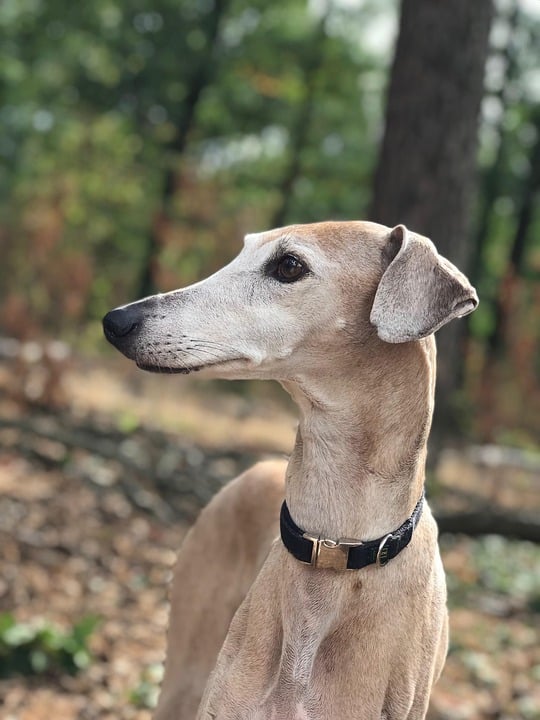
Meet the Azawakh: The Graceful Guardian with a Heart of Gold
The Azawakh is a stunning breed known for its elegance and unique history. Hailing from the Sahel region of Africa, this sighthound has been used for centuries as a hunting and livestock guardian. With its slender build, long legs, and distinctive appearance, the Azawakh is not just a beautiful dog but also a loyal companion and protector. This breed’s temperament is both gentle and affectionate, making it a perfect fit for those looking for a devoted pet.
The Azawakh: History and Traits
History
The Azawakh is indigenous to the nomadic tribes of West Africa, where these dogs have traditionally helped shepherds guard their livestock against predators. Unique to the breed are its speed and agility, which make it an excellent hunter. Historically, the Azawakh was not merely a working dog but also a cherished family member, often forming strong bonds with those they protect.
Temperament and Personality Traits
Azawakhs are known for their lively and spirited personality. They are both independent and affectionate, displaying loyalty to their owners while remaining somewhat reserved with strangers. This breed tends to bond closely with its family, often acting as a protective guardian. They are also known for their intelligence, which can be both an asset and a challenge for training.
Grooming Needs
One of the advantages of owning an Azawakh is their grooming requirements. With a short, smooth coat, they require minimal grooming. Regular brushing will help reduce shedding and keep their skin healthy. Bathing once every few months—or as needed—should suffice, as long-haired or wiry dogs require more upkeep.
Health Considerations
As with any breed, the Azawakh is prone to certain health issues. While they are generally robust, some known issues include hip dysplasia and certain hereditary conditions. Regular veterinary check-ups and a balanced diet can help maintain their overall health and well-being.
Suitability for Different Households
The Azawakh requires an environment where it can get ample exercise and mental stimulation. They thrive in active households and may struggle in smaller living spaces without the opportunity to run around. Ideal owners are active individuals or families who can provide regular walks, playtime, and training sessions.
Training, Socializing, and Caring for the Azawakh
Tips for Training
- Start Early: Begin training as early as possible. Azawakhs are more receptive to training when they are puppies.
- Use Positive Reinforcement: Reward them with treats and praise for good behavior, as harsh methods can lead to stubbornness.
- Be Consistent: Establish a routine and remain consistent with commands and expectations to ensure your Azawakh understands what is expected.
Socializing
Socialization is vital for the Azawakh, especially with other dogs and people. Early exposure to various environments will help them become well-rounded adults. Regular playdates and trips to the park can assist in their social development.
Caring for Your Azawakh
- Exercise Needs: Ensure they get plenty of exercise, as Azawakhs have a high energy level and require physical activity to remain healthy and happy.
- Mental Stimulation: Engage them in interactive games or training sessions to keep their minds sharp.
- Nutrition: Feed them high-quality dog food suited for their age and activity level.
emotional support animals: A Brief Overview
An emotional support animal (ESA) is a pet that provides comfort and emotional support to individuals facing mental health issues. Unlike service dogs trained to perform specific tasks for disabilities, ESAs provide companionship and alleviate feelings of anxiety, depression, and loneliness.
Benefits of ESAs
Many people find that having a pet helps soothe their emotional struggles. Real-life examples highlight how dogs and cats can effectively reduce anxiety:
- Lowered Stress Levels: Studies show that petting a dog or cat can release oxytocin, which reduces stress and promotes feelings of love and bonding.
- Increased Comfort: Many individuals report that their pets simply being there gives them a sense of calm.
- Improved Social Interactions: Pets can serve as a comforting presence in social situations, allowing individuals to engage more freely and with less anxiety.
Key Information
- Breed Overview: The Azawakh is a graceful sighthound from West Africa, used for hunting and guarding livestock.
- Temperament: They are loyal, affectionate, and protective, making them great companions.
- Grooming Needs: Minimal grooming; regular brushing and occasional bathing are sufficient.
- Health Considerations: Prone to certain health issues, regular check-ups are essential.
- Suitability: Best for active households with plenty of space for exercise.
- Training Tips: Use positive reinforcement and be consistent.
- Socialization: Important for creating a well-rounded pet.
How Dogs and Cats Provide Emotional Support
Pets play a significant role in emotional health owing to several psychological factors:
- Unconditional Love: Pets provide companionship without judgment, allowing individuals to feel accepted.
- Routine and Structure: Caring for a pet establishes a daily routine, giving structure and purpose to a person’s life.
- Physical Touch: The act of petting or cuddling releases hormones like oxytocin that enhance feelings of happiness.
- Engagement in Activities: Pets encourage their owners to go outside and interact with others, promoting socialization.
FAQs About Emotional Support Animals
-
What is an ESA?
- An ESA offers comfort to individuals with mental health issues, providing emotional support.
-
Can any pet be an ESA?
- Yes, most animals can be designated as ESAs, but dogs and cats are the most common.
-
Do ESAs require special training?
- No, ESAs do not require specific training. However, good behavior is advisable.
-
How do I get my pet certified as an ESA?
- You must consult a licensed mental health professional who can evaluate your need for an ESA.
-
Are ESAs allowed in apartments that don’t allow pets?
- Yes, under certain laws, landlords must allow ESAs, even where pet policies exist.
-
Can my ESA travel with me?
- ESAs can travel with their owners; however, airlines may have specific regulations.
-
What documentation is required for an ESA?
- Typically, a letter from a mental health professional is needed to certify your pet as an ESA.
-
Do I have to take my ESA everywhere?
- While you may benefit from their presence, there’s no requirement to have them with you at all times.
-
What is the difference between an ESA and a service dog?
- An ESA provides emotional support; a service dog performs specific tasks for individuals with disabilities.
-
Can I train my pet to be an ESA?
- ESAs are not trained in the same way that service dogs are. They simply need to be a comforting presence.
Conclusion
The Azawakh is a beautiful and loving breed that thrives in active households. With their graceful presence and protective nature, they can serve as incredible companions and guardians. Whether you’re looking for a pet with a heart of gold or considering an Emotional Support Animal to aid your mental health, the Azawakh is a captivating choice. If you’re considering this journey, I recommend visiting Veripaw.org to get your dog or cat certified as an ESA. Veripaw has been connecting pet owners with licensed mental health professionals and providing high-quality pet accessories since 2012. Your emotional well-being matters, and the Azawakh could just be the companion you need!

