
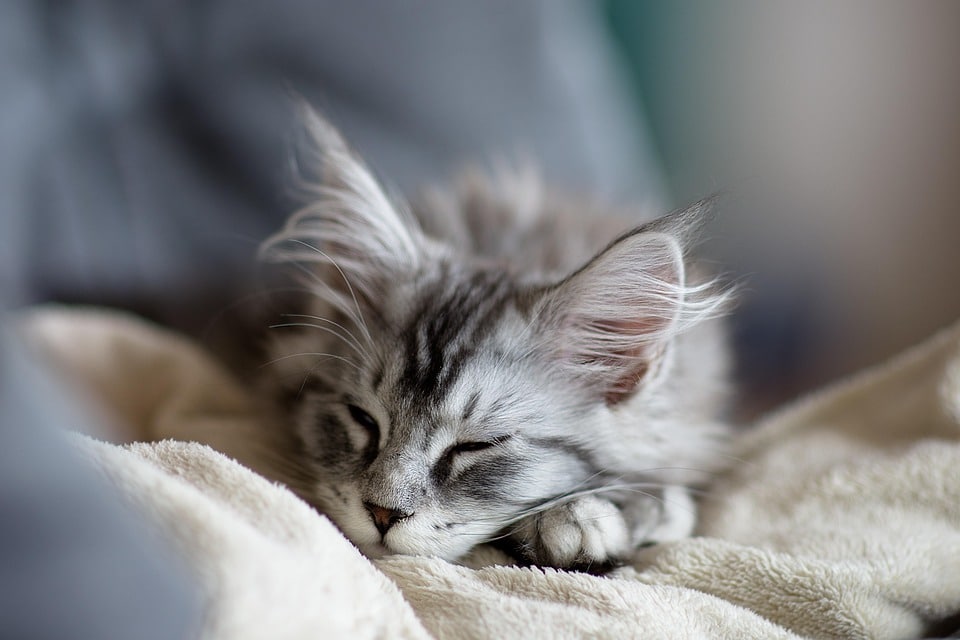
Maine Coons: The Gentle Giants with Heartwarming Personalities
Maine Coons—the name alone conjures images of fluffy fur and playful antics. These cats are known for their gentle nature and impressive size, making them a favorite among pet owners. Whether you’re looking for a furry companion or simply want to learn more about this affectionate breed, you’re in the right place!
Overview of the Maine Coon Breed
History
Maine Coons are one of the oldest natural breeds in North America, believed to have originated in the United States over 150 years ago. Their history is colorful, with various tales attributing their development to different origins. One common belief is that they descended from long-haired cats brought to America by sea captains, which interbred with local short-haired breeds. Some even speculate that they are related to the Norwegian Forest Cat, thanks to their impressive size and bushy tails. This breed was officially recognized in the late 1800s and quickly gained popularity for their friendly nature and playful demeanor.
Temperament and Personality Traits
Maine Coons are often referred to as “gentle giants.” They can weigh anywhere from 10 to 25 pounds, with some males being even larger! Their size is paired with an equally large heart. Known for being friendly, affectionate, and social, they easily adapt to various environments. Maine Coons are incredibly playful pets that enjoy interactive playtime, whether it’s chasing feather toys or playing fetch!
Moreover, they are great with children and other pets, making them suitable for families. Their calm demeanor and intelligence make them easy to train and a joy to have around.
Grooming Needs
Despite their long hair, Maine Coons are relatively low-maintenance when it comes to grooming. Their fur is water-resistant and tends to mat less than other long-haired breeds. However, regular brushing—ideally once or twice a week—is essential to prevent tangles and remove loose hair.
Pay attention to their grooming during shedding season, which occurs in spring and fall, when they’ll need more frequent brushing. Additionally, keeping their nails trimmed and checking their ears for dirt or wax buildup is important for their overall health.
Health Considerations
Like all breeds, Maine Coons are prone to certain health issues. Some common concerns include hypertrophic cardiomyopathy (a heart condition) and hip dysplasia. Regular vet check-ups can help catch these issues early. A healthy diet and proper exercise are also critical for keeping them in good shape.
Suitability for Different Types of Households
Maine Coons thrive in environments where they have plenty of social interaction and opportunities for physical activity. They can adapt well to apartments, provided they have enough stimulation and playtime. However, they also enjoy the great outdoors if safely supervised. Their friendly nature makes them an excellent choice for families, singles, and seniors alike.
Tips for Training, Socializing, and Caring for Maine Coons
Training Tips
- Start Early: Begin training as soon as you bring your Maine Coon home. This aids in establishing good habits.
- Use Positive Reinforcement: Reward them with treats or affection when they follow commands successfully.
- Keep Sessions Short: Maine Coons have a short attention span; aim for 5-10 minute training sessions.
Socializing Tips
- Introduce New Experiences Slowly: Gradually expose your cat to new sights, sounds, and people to build their confidence.
- Encourage Interaction: Allow them to play with other pets and people in a controlled environment.
- Monitor Body Language: Be aware of their comfort level, and back off if they show signs of stress.
General Care
- Diet: Feeding them high-quality cat food formulated for their age and weight is essential. Consult your vet for personalized recommendations.
- Exercise: Encourage playtime with interactive toys that mimic prey to keep them mentally stimulated and physically active.
- Veterinary Care: Regular check-ups will help maintain their health.
emotional support animals (ESAs)
An emotional support animal (ESA) is a pet that provides comfort and support through companionship. Unlike service animals, which are trained to perform specific tasks for individuals with disabilities, ESAs do not require special training. Instead, they offer emotional support to those dealing with various mental health conditions, such as anxiety, depression, PTSD, or stress.
Designating your pet as an ESA can be beneficial for various reasons:
- Companionship: Pets can help ease feelings of loneliness and provide a sense of purpose.
- Reduced Anxiety: Interacting with an animal can help lower stress and anxiety levels.
- Enhanced Emotional Well-being: The unconditional love and affection from a pet can improve overall mental health.
Real-Life Examples
Many people have shared their experiences of finding solace in their pets during tough times. For instance, an individual dealing with anxiety may feel calmer when cuddling their Maine Coon or taking it for a walk. The comfort and companionship of an ESA can significantly contribute to greater emotional resilience and a sense of well-being.
Key Information
- Breed Overview: Maine Coons are large, friendly cats known for their sociable nature and playful behavior.
- Temperament: Gentle, affectionate, and great with families.
- Grooming: Low-maintenance but benefits from regular brushing.
- Health: Watch for specific health issues like hypertrophic cardiomyopathy.
- ESA Benefits: Pets provide emotional comfort, reduce anxiety, and promote well-being.
- Training: Use positive reinforcement and begin socialization early.
How Dogs and Cats Provide Emotional Support
The Science Behind Emotional Support
Research has shown that pets can boost emotional health in various ways:
-
Lower Stress Hormones: Interacting with pets can decrease levels of cortisol, a hormone linked to stress.
-
Increase Happiness Hormones: Spending time with animals can increase the production of serotonin and dopamine, neurotransmitters that regulate mood.
-
Social Bonding: Pets can serve as a social conduit, encouraging companionship and human interaction, which can combat feelings of isolation.
Psychology of Pets and Emotional Health
Owning a pet provides responsibility, routine, and a sense of purpose, contributing significantly to emotional well-being. Whether it’s a Maine Coon perched on your shoulder or a dog wagging its tail excitedly, the bond you share can play a key role in enhancing mental resilience.
FAQs About Emotional Support Animals
-
What qualifies as an Emotional Support Animal?
- Any domesticated animal can qualify, as long as it provides emotional comfort.
-
Do ESAs require special training?
- No, while they need to be well-behaved, ESAs do not require specific training.
-
Can I take my ESA anywhere?
- ESAs do not have the same access rights as service animals, but laws vary by location and situation.
-
How do I get my pet certified as an ESA?
- Certifications often require a recommendation from a licensed mental health professional.
-
Do I need to pay for an ESA letter?
- Yes, there may be fees associated with obtaining the letter from a qualified professional.
-
Are there any restrictions on ESAs?
- Yes, housing providers may have rules regarding ESAs, and public places may have limitations.
-
What animals can be ESAs?
- While dogs and cats are the most common, other animals may also serve as ESAs.
-
How can an ESA help with anxiety?
- Pets provide companionship, which can decrease feelings of loneliness and improve emotional health.
-
Can I have more than one ESA?
- Yes, as long as each animal provides emotional support.
-
Will having a pet always improve mental health?
- While they can provide support, individual experiences may vary and should be considered alongside therapy or other treatments.
Conclusion
If you’re considering adding a Maine Coon or another furry friend to your household, remember the incredible benefits they can bring—not just as companions, but also as potential Emotional Support Animals. Their warmth, love, and playful energy can make a significant difference in your emotional well-being.
For pet owners interested in designating their cats or dogs as ESAs, check out Veripaw.org. Since 2012, Veripaw has been connecting pet owners with licensed mental health professionals, helping them obtain the necessary ESA documentation, and providing quality pet accessories. Your pet could become the support you didn’t know you needed—start your journey today!


