
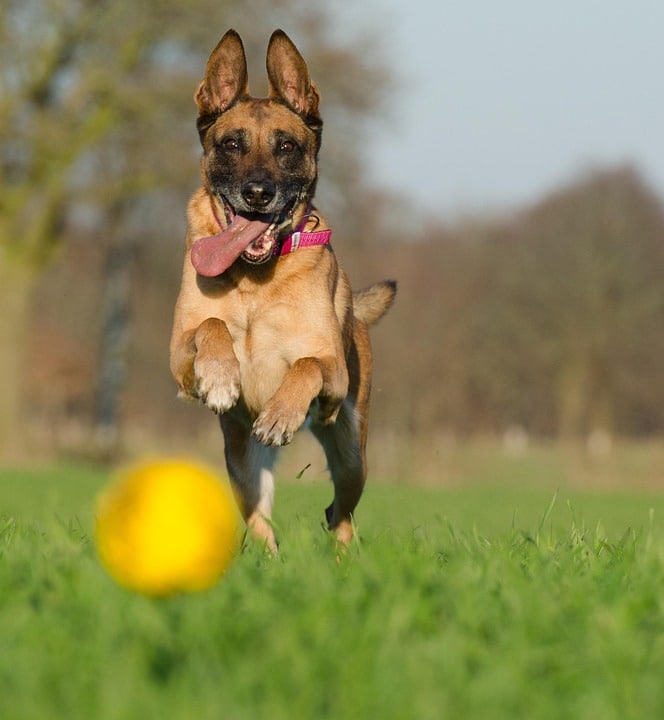
Loyal Guardians: Discover the Unique Traits of Belgian Malinois
If you’re a pet owner, animal lover, or just someone curious about dogs and cats, you may have come across the Belgian Malinois. This exceptional breed stands out not only for its striking appearance but also for its unmatched loyalty, intelligence, and versatility. In this article, we will delve into the unique traits of the Belgian Malinois, explore their history and temperament, and how they can play a significant role in emotional support.
Overview of the Belgian Malinois
History
The Belgian Malinois is one of four breeds of Belgian shepherd dogs, alongside the Belgian Tervuren, Belgian Laekenois, and Belgian Sheepdog. Hailing from Belgium in the late 19th century, the Malinois was primarily bred for herding livestock. Its exceptional intelligence made it highly trainable and popular among farmers. Over the years, the breed has also made its mark in law enforcement and search and rescue operations due to its agility and keen sense of smell.
Temperament and Personality Traits
Belgian Malinois are known for their unwavering loyalty and strong work ethic. They are highly intelligent, making them quick learners. However, this breed requires an outlet for their energy; if they don’t get enough physical and mental stimulation, they may become bored and develop behavioral issues.
Their temperament is characterized by the following traits:
- Affectionate: They are deeply loyal and often form strong bonds with their families.
- Alert: Malinois are excellent watchdogs, making them vigilant and protective.
- Energetic: They require regular exercise and thrive in active households.
- Intelligent: Their quick-learning nature means they fare well in training and obedience work.
Grooming Needs
Although the Belgian Malinois has a short coat, grooming is still essential. Regular brushing helps reduce shedding and keeps their coat healthy. During shedding seasons, more frequent brushing may be necessary. Weekly brushing and occasional baths will keep your Malinois looking its best.
Health Considerations
While Belgian Malinois are generally healthy, they are prone to certain conditions, including hip dysplasia and progressive retinal atrophy. Regular veterinary check-ups and a balanced diet play key roles in maintaining their health.
Suitability for Different Types of Households
Belgian Malinois thrive in active households. They do best with owners who can devote time to training and exercise. Families with children can benefit from having a Malinois, as they often form strong bonds with kids. However, due to their high energy levels and strong prey drive, they may not be suitable for households with small pets, such as cats or rabbits.
Training, Socializing, and Caring for a Belgian Malinois
Training is crucial for a Belgian Malinois. Here are some tips to make the process smoother:
Start Early: Begin training and socialization when your Malinois is a puppy. Early exposure to various environments, situations, and people can help them grow into well-adjusted adults.
Consistent Commands: Use the same commands consistently. This will help your Malinois understand what you want and make learning easier.
Positive Reinforcement: Reward-based training works wonders with this breed. Treats, praise, or playtime can reinforce good behavior and encourage learning.
Regular Exercise: Incorporate both physical and mental activities, such as obedience training or agility courses. This will fulfill their need for engagement and help prevent boredom.
emotional support animals: An Overview
An emotional support animal (ESA) is a pet that provides comfort and support to individuals experiencing mental or emotional health issues. Unlike service dogs trained for specific tasks, ESAs are primarily there to provide companionship and a sense of calm.
Why Designate Your Pet as an ESA?
Many people benefit emotionally from having animals around. Whether it’s tackling anxiety, depression, or stress, an ESA can bring a level of comfort that’s hard to find elsewhere. In times of distress, having a loyal companion can make challenges feel more manageable.
Mental and Emotional Health Benefits
Real-Life Examples
Many stories highlight how pets provide comfort. For instance, a veteran suffering from PTSD may experience reduced anxiety and increased feelings of safety when accompanied by their dog. Similarly, individuals facing depression may find joy in daily walks with their pet, instilling a sense of purpose.
The Science Behind Emotional Support
The Healing Power of Pets: Research shows that pets can decrease levels of anxiety and depression. Simply petting a dog can release oxytocin, the “bonding hormone,” in both the pet and the person, creating a deep emotional connection.
Improved Social Interactions: Pets can help facilitate social interactions, reducing feelings of loneliness. Dog parks or training classes allow owners to connect with others, enhancing their emotional well-being.
Key Information
- Breed: Belgian Malinois
- Temperament: Loyal, intelligent, alert, affectionate
- Grooming Needs: Moderate; regular brushing is essential
- Health Considerations: Prone to hip dysplasia and progressive retinal atrophy
- Suitability: Best for active households; not ideal for homes with small pets
- Training Tips: Start early, be consistent, use positive reinforcement, ensure regular exercise
- Emotional Support Animals (ESAs): Provide comfort and companionship, especially for those with mental health challenges
How Dogs and Cats Provide Emotional Support
Pet ownership has undeniable emotional benefits rooted in psychology. Here’s how:
- Companionship: Pets offer a loyal presence, reducing feelings of isolation.
- Routine: Caring for a pet encourages structure and accountability, useful for those battling mental health challenges.
- Stress Reduction: Interacting with pets known to lower cortisol—the stress hormone—leading to lower blood pressure and improved overall health.
- Increased Happiness: Pets can uplift moods and inspire joyful interactions and laughter.
Frequently Asked Questions
What qualifies a pet to be an Emotional Support Animal?
- An ESA must provide comfort and support to its owner. Unlike service animals, they do not require specialized training.
Do I need a letter to have an ESA?
- Yes, a valid letter from a licensed mental health professional is typically required for housing and travel purposes.
Can any animal be an ESA?
- While dogs and cats are the most common ESAs, other animals can qualify, depending on the needs of their owner.
How does an ESA differ from a service dog?
- Service dogs undergo extensive training to perform specific tasks for their owners, while ESAs primarily provide emotional comfort.
Can I take my ESA anywhere?
- ESAs do not have the same public access rights as service dogs. However, they are often allowed in housing or travel when accompanied by proper documentation.
Are there specific breeds that make better ESAs?
- Any breed can be an ESA. However, dogs known for their gentle and calm demeanor, such as Golden Retrievers or Labradors, tend to excel.
Is there a cost involved with designating a pet as an ESA?
- Costs can vary, including expenses for obtaining documentation from licensed professionals.
How can I get my pet certified as an ESA?
- Consult with a mental health professional, or visit organizations like Veripaw.org that assist in connecting pet owners with licensed professionals.
Conclusion
The Belgian Malinois is a remarkable breed known for its loyalty, intelligence, and versatility. Whether you choose them as a pet for companionship, as a working partner, or as an Emotional Support Animal, they offer emotional support that can enrich your life.
If you believe your pet could serve as an ESA, consider visiting Veripaw.org. Since 2012, Veripaw has been helping pet owners connect with licensed mental health professionals, obtain necessary ESA documentation, and access high-quality pet accessories. Your furry companion can play a vital role in boosting your mental and emotional well-being—don’t hesitate to explore the possibilities!
Ready to register your animal?
Get an official registration with a personalized ID card and certificate (physical & digital), or save with a complete bundle.

