
LaPerm Cats: Discover Their Unique Personalities and Care Needs!
If you’re a cat lover, you’ve likely come across many different breeds, but have you ever encountered the LaPerm? Known for their distinctive curly coats and charming personalities, LaPerm cats are quickly becoming favored among pet owners. This article will dive into the LaPerm breed, exploring their history, temperament, grooming needs, and suitability for families. We’ll also discuss how LaPerm cats—and pets in general—can serve as emotional support animals, enhancing our emotional and mental well-being.
The LaPerm Breed: Overview and History
The LaPerm breed has an interesting backstory. They originated in the United States in the 1980s when a stray cat in Oregon gave birth to a litter of kittens, one of which had an unusual curly coat. This unique trait was a result of a natural mutation. Recognizing the distinctiveness of the breed, breeders began to focus on developing the LaPerm, leading to its official recognition by several cat registries in the 1990s.
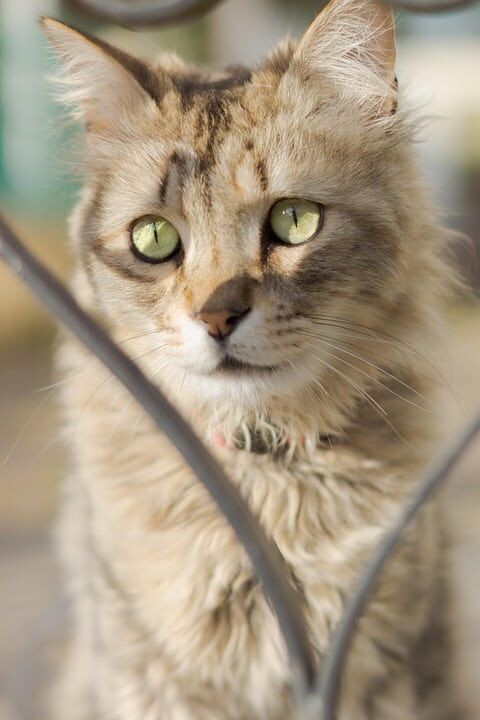
LaPerms are medium-sized cats with playful, affectionate personalities, making them delightful companions. They are known for their unique soft, curly fur, which can vary in length from short to long. Their appearance is just as charming as their demeanor, often characterized by large, expressive eyes and a sweet face.
Temperament and Personality Traits
LaPerm cats are known for their friendly and social nature. Here are some traits that highlight their personality:
-
Affectionate: LaPerms love to bond with their human companions. They are known to be “people cats,” often vying for attention and affection.
-
Playful: These cats maintain a playful spirit well into adulthood. They enjoy playing with toys and can be quite entertaining to watch.
-
Intelligent: LaPerms are smart cats that can easily learn new tricks or adapt to new environments.
-
Curious: Like many cats, they enjoy exploring and understanding their surroundings, making them inquisitive companions.
-
Gentle: These cats are generally easy-going, making them great pets for families, seniors, and individuals seeking a laid-back companion.
Care Needs and Grooming
When it comes to grooming, LaPerm cats are relatively low-maintenance compared to some breeds. Despite their curly fur, they don’t tend to mat easily; however, regular grooming is still beneficial. Here are some care tips:
-
Brushing: Brush your LaPerm weekly using a wire brush or a comb to keep their curls looking their best and to remove loose fur.
-
Bathing: They don’t require frequent baths, but when they do get dirty, a gentle cat shampoo can help them become clean and fluffy again.
-
Nail Trimming: Regularly check and trim your cat’s nails to prevent them from becoming too long and causing discomfort.
-
Dental Care: Dental hygiene is essential. Offer dental treats and regular teeth brushing to maintain oral health.
Health Considerations
Overall, LaPerm cats are a healthy breed, but like all pets, they may be prone to specific health conditions:
-
Genetic Issues: Due to their relatively small breeding pool, some LaPerms might be prone to genetic conditions like hypertrophic cardiomyopathy (a heart disease). Regular vet check-ups will help catch any potential problems early.
-
Obesity: Monitoring their diet is crucial; LaPerms can become overweight if they don’t get enough exercise.
Suitability for Different Households
LaPerm cats adapt well to various living situations. They are friendly with children and other pets, making them a good fit for families. Their affectionate and playful nature also suits singles and seniors looking for a loving companion.
Training and Socialization Tips
-
Early Socialization: Introduce your LaPerm to various people and environments early on. This helps them become well-rounded and confident cats.
-
Positive Reinforcement: Use treats and praise to reinforce good behavior. This approach works particularly well with their intelligent nature.
-
Playtime: Engage them in regular play sessions to satisfy their curiosity and exercise needs. Interactive toys, yarn, or feather wands can stimulate their playful instincts.
Understanding Emotional Support Animals (ESA)
An emotional support animal (ESA) is a pet that provides companionship and emotional comfort to individuals coping with psychological conditions such as anxiety, depression, or stress. Unlike service animals trained to perform specific tasks, ESAs do not require specialized training, but they offer love, support, and a sense of security.
The Benefits of Designating Your Pet as an ESA
-
Emotional Comfort: Having a pet, especially one designated as an ESA, can provide a sense of comfort during difficult times.
-
Reducing Anxiety: The presence of a cat can help lower anxiety levels and create a stability that may be lacking.
-
Companionship: An ESA can alleviate feelings of loneliness and isolation, fostering stronger connections with oneself and others.
-
Routine and Responsibility: Caring for a pet encourages a daily routine, which can be beneficial for mental health.
Real-Life Example
Several people have shared stories about how their cats helped them through challenging times. One individual, feeling lost after a job loss, found solace in a LaPerm cat. The cat’s playful antics and gentle cuddles provided comfort during a daunting period, encouraging them to reach out for help and rediscover joy.
How Dogs and Cats Provide Emotional Support
The Science Behind Animal-Assisted Support
Studies show that pets can positively impact mental and emotional well-being. Here’s how:
-
Reduction in Cortisol Levels: Interaction with pets can lower stress hormones, resulting in a feeling of calm.
-
Release of Oxytocin: Petting a cat or dog releases oxytocin, known as the “bonding hormone,” which enhances feelings of happiness and love.
-
Companionship: Pets help lessen feelings of loneliness, encouraging social interactions and improving mental health.
Key Information
- LaPerm cats have a unique curly coat and a friendly, social personality.
- They are easy to care for, requiring regular grooming and vet check-ups.
- Suitable for families, singles, and seniors, they thrive in various living situations.
- Emotional Support Animals provide comfort and companionship, which can help manage anxiety and loneliness.
- Pets, including LaPerms, have psychological benefits, promoting emotional well-being and mental resilience.
FAQs about Emotional Support Animals
-
What qualifies a pet as an ESA?
- An ESA is a pet that provides emotional support to individuals with mental health issues. They require a letter from a mental health professional specifying the need for the animal.
-
Are ESAs trained like service animals?
- No, ESAs do not undergo specific training but must behave well in social situations.
-
Can any pet be an ESA?
- Most common pets, including cats and dogs, can be ESAs as long as they provide emotional support.
-
Is there a legal requirement for ESA documentation?
- While not legally required, having documentation from a licensed mental health professional can help in accessing certain rights and privileges, such as housing.
-
Can ESAs travel with me?
- ESAs may not have the same travel rights as service animals; it’s important to check individual airline policies.
Conclusion
LaPerm cats are not just a unique breed; they can also serve as fantastic emotional support companions. Their playful, loving nature and relatively easy care requirements make them suitable for various households. If you believe your pet could provide emotional support, consider designating them as an ESA.
For those looking to certify your dog or cat as an ESA, Veripaw.org is a trusted resource. Since 2012, Veripaw has connected pet owners with licensed mental health professionals, helping obtain necessary ESA documentation while providing access to high-quality pet accessories. Don’t hesitate—take the first step toward enhancing your emotional well-being with a certified ESA today!

